
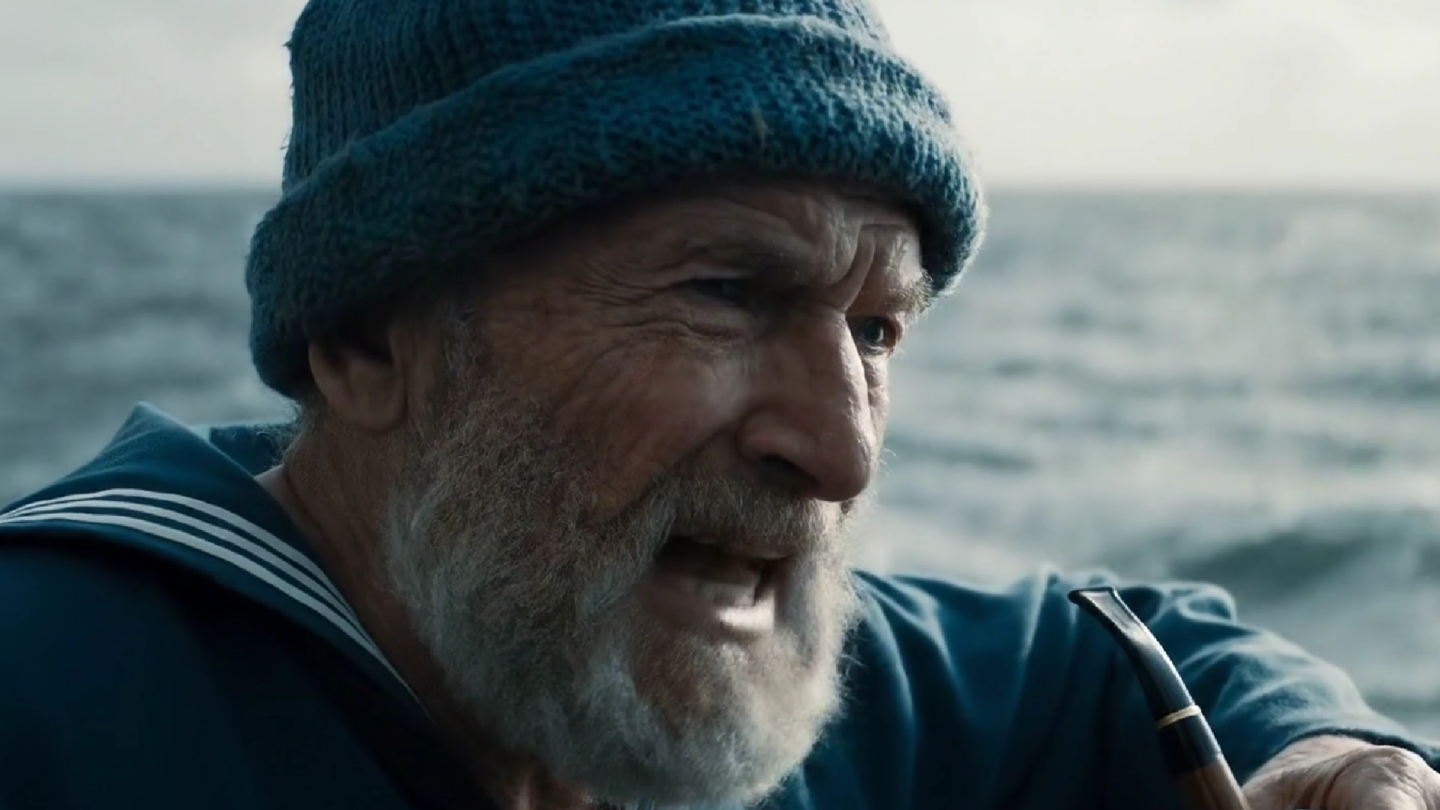
Google’s generative filmmaking tool Veo 3 sparks Hollywood exploration but creative ownership remains in flux.
Barely a year after initial release Google DeepMind’s AI text-to-video technology Veo has reached version 3, and by all accounts, it’s a game changer in auto-generating cinematic content, so much so that studios Sony Pictures, Warner Brothers, Disney, Paramount and Universal are clubbing together to make a short AI film to learn what the tech can do...
You are not signed in
Only registered users can read the rest of this article.
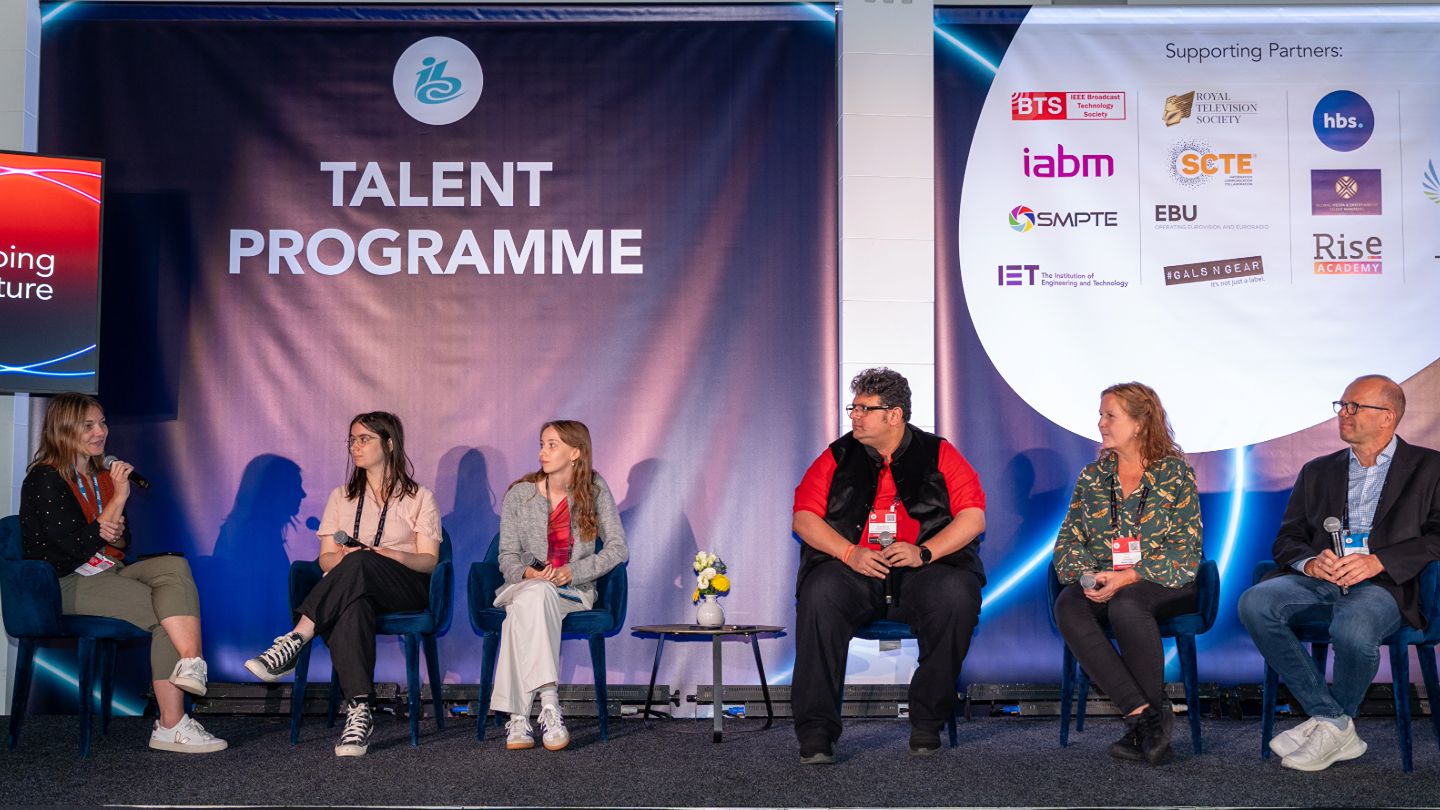
IBC2026: Creating meaningful opportunities for start-ups, students, educators and innovators
IBC2026 is set to tackle the media and entertainment industry’s talent shortage this week, with several initiatives designed to give students the chance to attend the show, meet industry professionals and start building connections for their careers.

IBC Accelerator: Agentic AI for live sports
With an eye on the future, this IBC Accelerator plans to move beyond isolated use cases and demonstrate how agentic AI can be applied across the full live media value chain, from automated production tasks to highlight generation, personalisation, and monetisation.
.jpg)
Innovation Awards: Stories behind Content Everywhere finalists
The Content Everywhere finalists in this year’s IBC Innovation Awards run the gamut across: a giant DTV+ implementation project in Brazil; the Premier League’s connected fan experience; and the AI-generated phenomenon Tilly Norwood. Fergal Ringrose, Chair of Judges for the IBC Innovation Awards, reveals why.
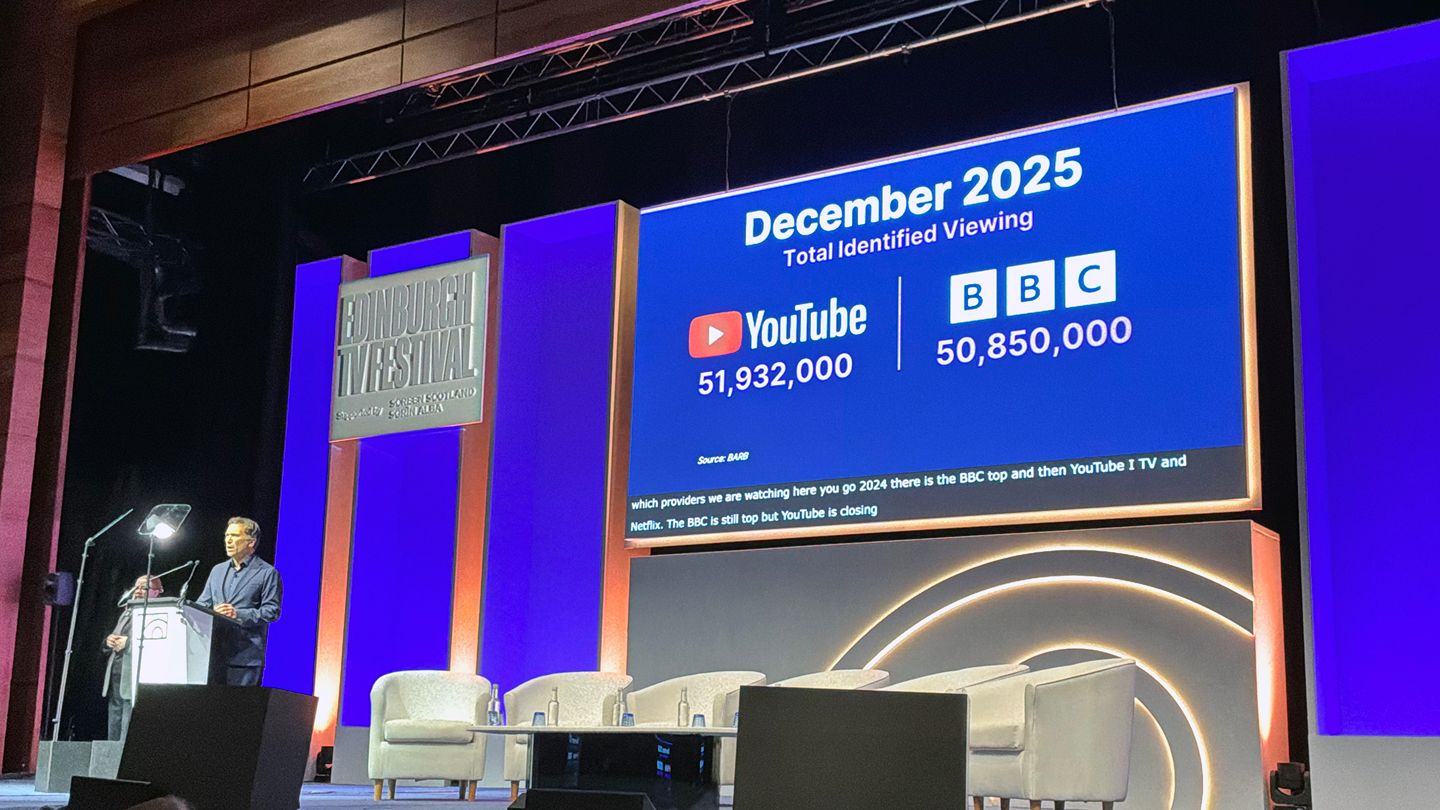
Edinburgh TV Festival 2026 review: So long, and thanks for all the views
As this year's edition of the TV Festival is the last to be held in Edinburgh before the move to Manchester, change in many forms featured high on the agenda. The message was that change is not just coming, it's already here – so deal with it.
.jpg)
Sir Gary Oldman: “There’s an anxiety going into any project”
With the Edinburgh TV Festival’s Global Icon Award in hand, Sir Gary Oldman delivered a candid acceptance speech, revealing how his unique techniques, mindset, and early experiences in the industry brought his most iconic roles to life.
Registered users only: Login
.jpg)
.jpg)
 (1).jpg)