From generative production and AI-powered post-production to content discovery, immersive experiences and next-generation imaging, a group of EIT Culture & Creativity-backed ventures arriving at IBC2026 offers a snapshot of where European media innovation is heading next.
More than a dozen ventures from EIT Culture & Creativity’s 100-to-Watch portfolio will be showcased at the Future Tech Ignite Innovation Village in Hall 14, including Grabbit R&D, whose RePro Stream project is also participating in this year’s IBC Accelerator programme.
Together, they offer a glimpse of what Europe’s next generation of media technology companies is building. They span production and post-production, content discovery, immersive media, new approaches to monetisation and emerging forms of audience experience.
What makes the group particularly interesting is its breadth. The companies sit at different points in the media and creative value chain, from early-stage ventures to businesses already testing products with professional customers. Some come directly from the media sector, while others apply technologies and business models from other cultural industries to problems increasingly relevant to media.
For IBC visitors, that makes the group a scouting opportunity: a chance to look beyond established suppliers at technologies, business models, and audience behaviours that could influence how media is produced, distributed, discovered, and monetised.
Making Europe's innovators easier to find
100-to-Watch is not a ranking or a conventional accelerator cohort. It is EIT Culture & Creativity’s growing portfolio of ventures selected through its business creation and innovation programmes, with the portfolio expected to grow towards 100 companies. EIT Culture & Creativity holds equity agreements with the ventures, meaning its relationship with them extends beyond one-off funding and support.
Europe does not lack ideas or emerging technologies. The challenge is connecting promising innovations with the companies, markets, investment, and expertise that can help turn them into viable businesses at scale. IBC provides an opportunity to make some of those connections.
For example, take Kami, an AI-powered storytelling platform built on a library of more than 500,000 original stories and a community spanning more than 3 million user profiles across over 30 countries. Its first vertical drama adaptation reached 20 million views within two weeks, including 10 million views in its first five days alone. The company is now pushing further into AI-native entertainment, with its first AI-generated anime entering theatrical distribution in Turkey. As broadcasters and streaming platforms explore new audience formats and mobile-first consumption habits, Kami offers an early indication of how AI-supported production and distribution models could reshape the content landscape.
Black Goblin illustrates what practical AI deployment can look like inside professional production workflows. Through a pilot developed under the BBC-supported MyWorld Creates initiative, the company demonstrated how AI could reallocate more than 200 hours from manual setup into creative tasks and decision-making on a single 90-minute production. Since launching its beta programme, the platform has attracted more than 200 active users, including award-winning sound designers and professional studios. At IBC2026, Black Goblin will showcase a recent collaboration with Dutch post-production specialist Posta Vermaas, where its technology is being used to accelerate preparation for Foley recording sessions, allowing audio professionals to spend less time on technical setup and more time on creative work.
Meanwhile, Finnish startup Vreal is exploring how cultural content, media, and immersive technologies can converge into new audience experiences. The company recently secured €40,000 in funding from the Ministry for Foreign Affairs of Finland’s business partnership programme Finnpartnership to pilot live guided cultural heritage experiences in India. The startup also recently completed a successful pilot with Finnish media platform Kotimaa, allowing readers to purchase tickets to live guided experiences through the publisher's platform. The collaboration is now expanding into a recurring series featuring castles, churches, and heritage sites across Finland.
A wider map of emerging media technology
Elsewhere in the portfolio, Finnish production company Frame Rate is approaching AI from another part of the production chain. It has just released footagen.ai, a platform designed to take film and video projects from script to generated shots within a single environment, allowing creative teams to select different generative video models for individual shots rather than committing a production workflow to a single underlying model.
Likewise, Sociate AI combines real-time trend intelligence with multimodal, tagless discovery, matching emerging cultural and consumer trends with relevant assets without relying on manual tagging. The company is launching a campaign generation platform in September, while its work with creators and shoppable content through Confluencer points to applications across advertising, the creator economy and commerce.
Another key player is Djooky. Djooky is exploring new models for music royalties and investment, turning song royalties into tradable digital assets and using AI to support discovery, risk assessment and investment. Podego, meanwhile, is bringing technology developed for museums and cultural institutions into a new media context. Its AI-driven platform creates interactive audio experiences around cultural content. At IBC, the company is exploring how the same approach could be used to turn broadcasters’ programmes, IP, and archives into interactive, gamified audience experiences.
In contrast, Roods takes a different approach to cultural storytelling, using a mobile platform to connect people with local history, archival material, and hidden narratives through the places where those stories happened. Leren Labs develops modular systems spanning AI, verification, and decentralised infrastructure, with applications across learning and media. Its Decast.Live platform brings those capabilities into live video, combining decentralised streaming and storage with automated publishing and AI-assisted production tools.
The connection with IBC’s own innovation ecosystem extends beyond the 100-to-Watch showcase. Grabbit R&D’s RePro Stream is participating in the IFeL: Immersive Festival Live - Remote Presence at Scale Accelerator project, which is developing a proof of concept to transform festival livestreams into two-way, interactive shared experiences. Working alongside a consortium including the BBC, ITV, SMPTE, Shure, and King’s College London, RePro is helping develop the streaming technology needed to support 360° video feeds and immersive audio, enabling remote audiences to experience live events in new ways.
“100-to-Watch is about making Europe’s emerging creative-tech companies easier for industry to find,” says Javier Arias, Director of Business Creation at EIT Culture & Creativity. “These companies are developing technologies and business models with real potential, but visibility and access to the right partners are critical to scaling. Bringing them to IBC puts them directly in front of the broadcasters, technology companies, producers, and investors who can help turn that potential into commercial opportunity.”
Meet EIT Culture & Creativity and the 100-to-Watch companies in Hall 14, opposite the Future Tech Ignite Stage. Discover more about Future Tech Ignite here.
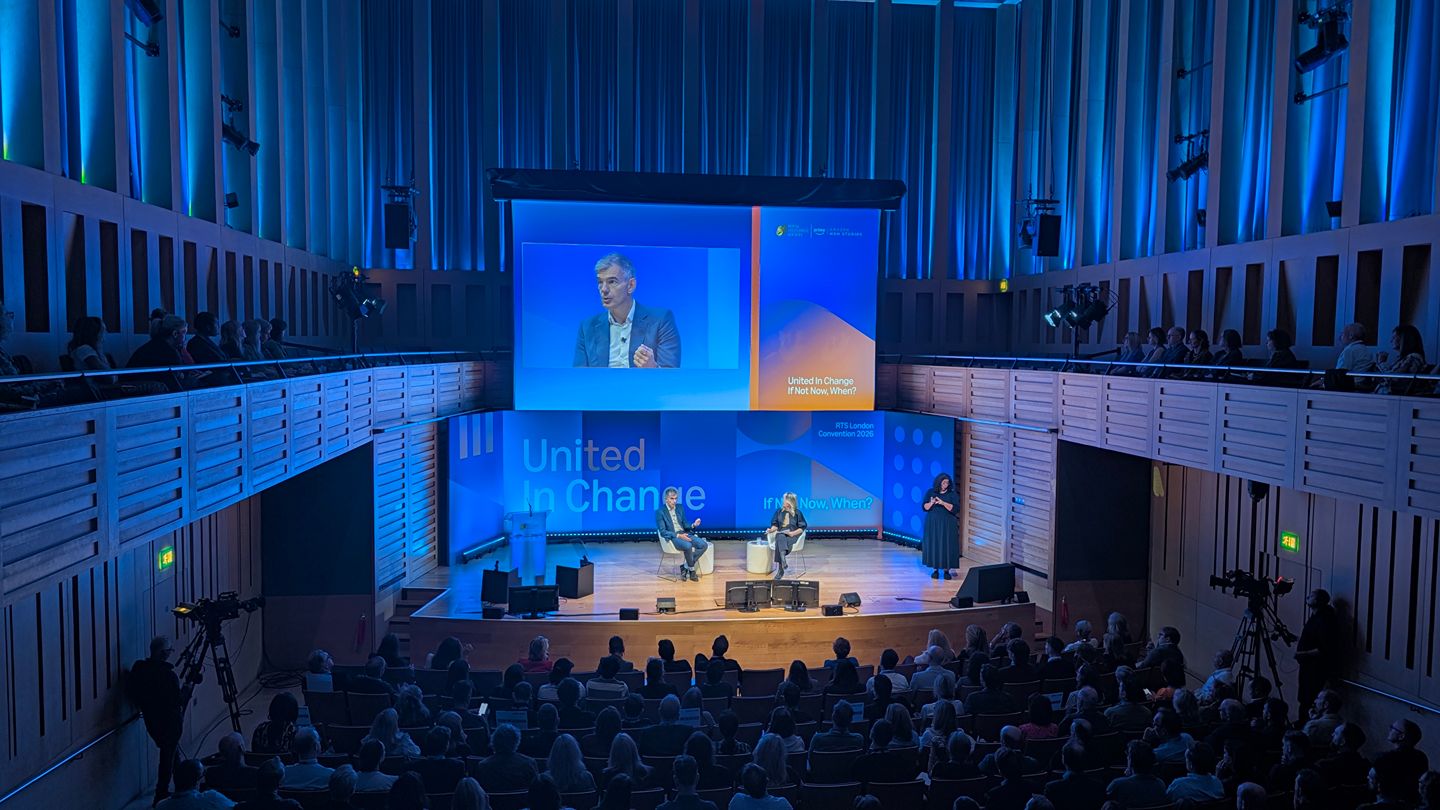
RTS Convention: “The prize for standing still simply isn't an option”
AI was largely sidelined at the annual RTS gathering where the fate of public service media took precedence. Adrian Pennington reports.
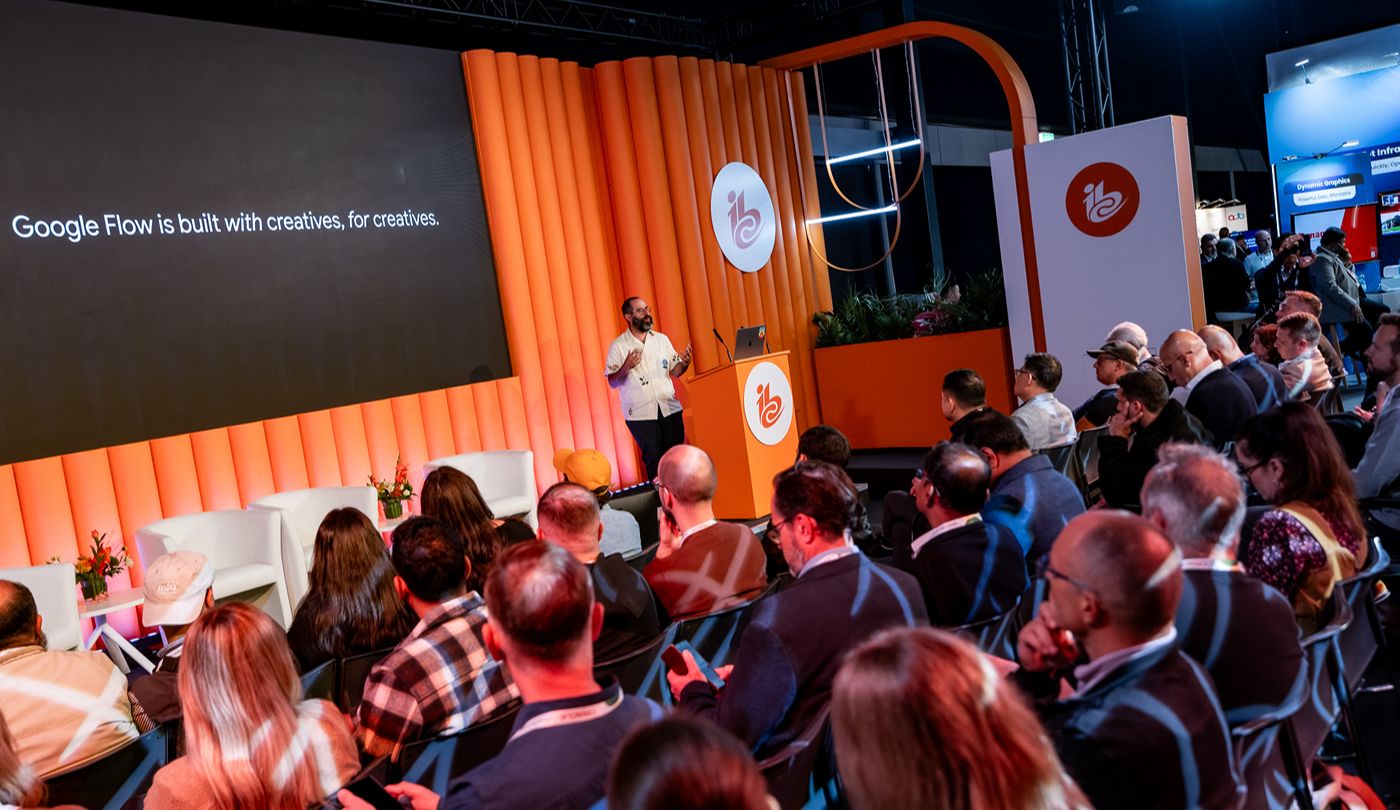
Content Everywhere at IBC2026: AI moves from hype to action
Companies from across the Content Everywhere ecosystem highlight what they see as some of the most promising industry developments at IBC2026, while calling out areas where they think the industry has room for improvement.
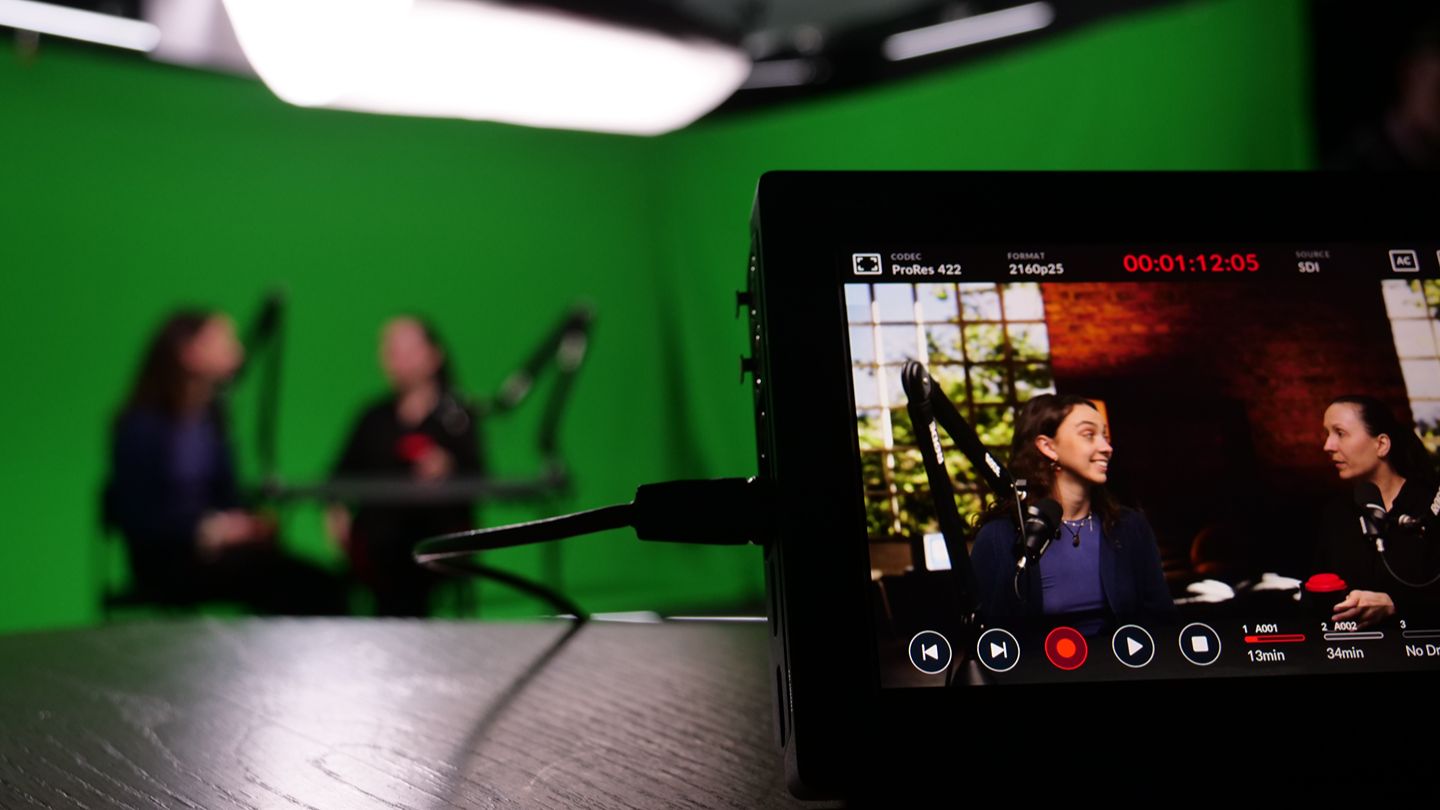
How virtual sets are changing the shape of podcast production
One podcast session can now feed a much wider content package spanning audio and video. Rob Chandler, Founder, CEO, The Dean Street Podcast Studio, explains how that changing demand shaped the studio he built in central London.
.jpg)
Innovation Awards: Collaboration and open standards triumph
The winners of the IBC Innovation Awards were revealed at an event at the Amsterdam RAI, honouring collaborative projects tackling some of the industry's biggest challenges.
.jpg)
IBC2026: What to look out for on Day 4
As the final day of IBC2026 draws near, visitors seize the last opportunity of the year to network, solidify partnerships, and soak up the last of the available innovative learnings across IBC2025’s 14 halls
.jpg)