As traditional broadcasters battle decreasing budgets and attention spans, brands have come to the fore as collaborators in an increasingly lucrative and creatively fertile strand of the media business.
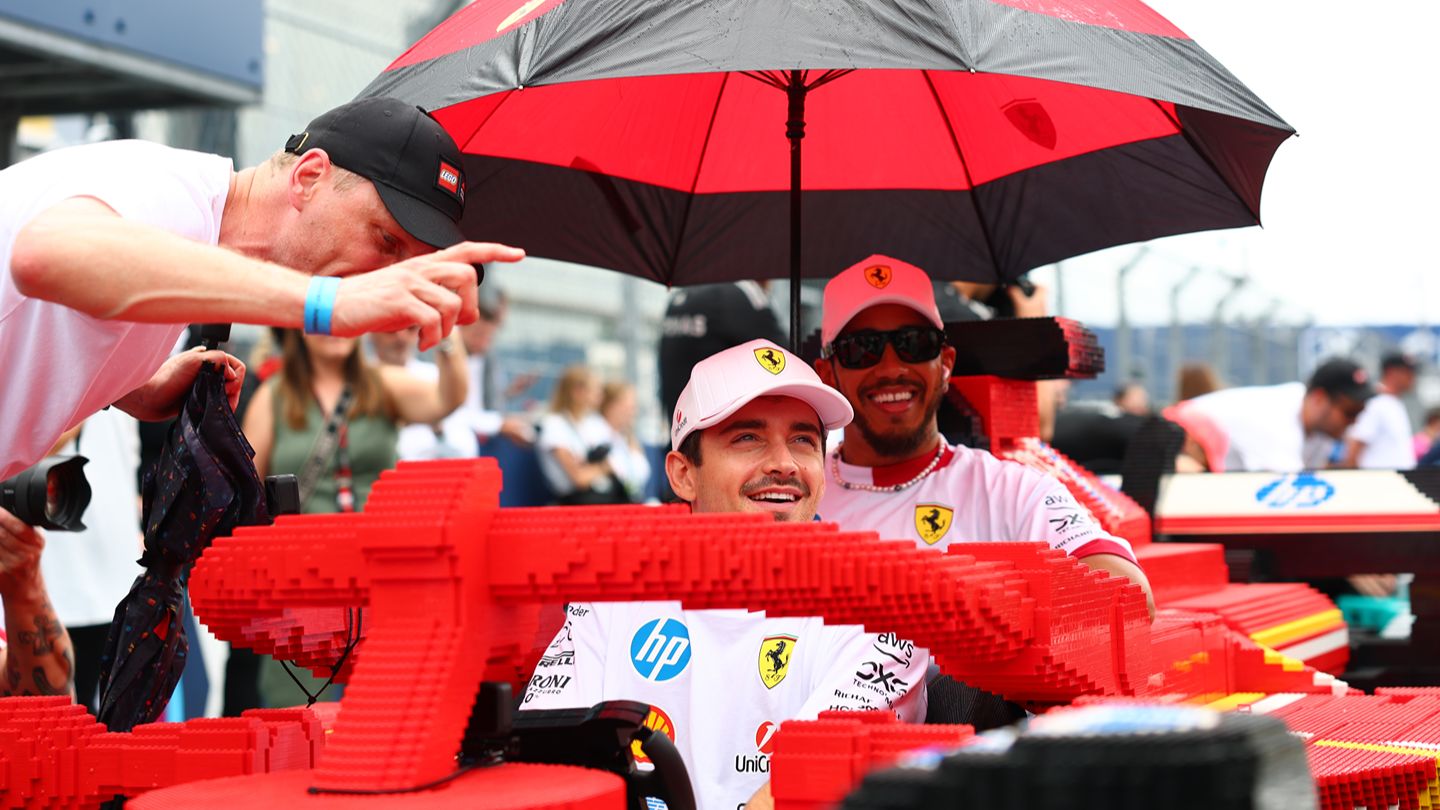
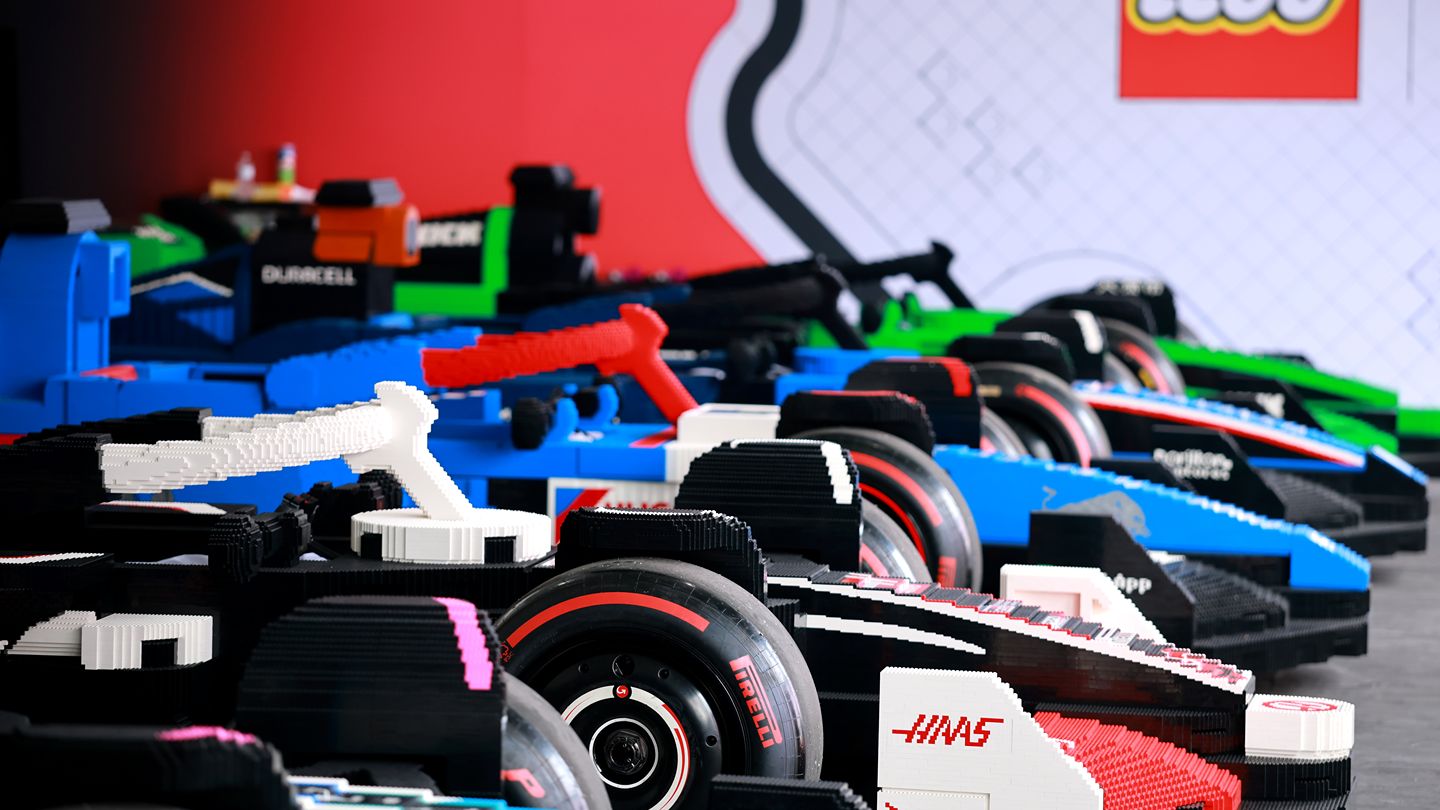
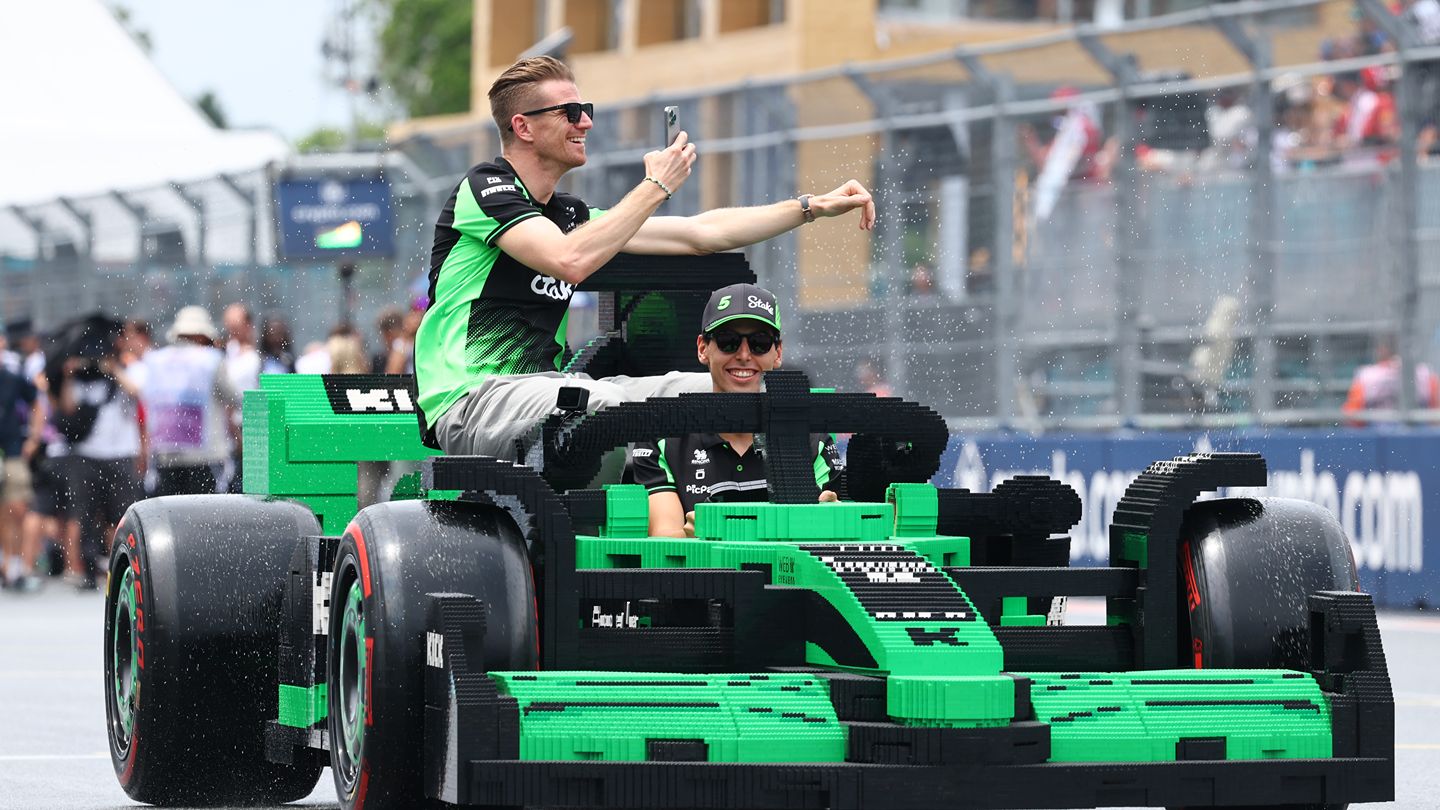
A video about the construction of 10 full-size F1 cars out of Lego has become one of the most celebrated brand campaigns of the year. Bricks on Track is an hour-long special available on Amazon Prime, Sky Sports, Fox Sports, Peacock, Viaplay, and Now alongside a social campaign that’s generated over 16 million views. Yet it started life as a brief from the Danish toy giant to create a YouTube short about the car’s drivers.
"We realised that the people behind the scenes actually making the cars were just as interesting," explains Leo Birch, Creative Director at creative agency JustSo. "Regardless of whether you like Lego or Formula One, you can feel the joy of everyone involved, and that story made it such a good watch."
Bricks on Track, winner of a British Arrow advertising award, is a prime example of how brands are increasingly looking to experienced TV producers to expand their reach. Conversely, in an age of squeezed budgets, producers and broadcasters are finding brand collaboration a creatively fertile and lucrative partnership.
"It’s one of the biggest shifts happening across our industry," confirms Sabrina Scollan, Development Producer at Climate Spring. "Storytelling still sits at the heart of it."
Finding the right formula
Production companies are desperate to get original IP on screen while broadcasters are commissioning reboots and imports. Commissioners are under pressure to find new hits despite shrinking budgets. Meanwhile, brands need to reach audiences that have deserted both traditional platforms and conventional programme formats.
"Content is now central to how brands communicate and grow their audiences," says Jane Gerber, Co-Founder of Peanut & Crumb, a multi‑platform content and communications studio based in Brighton. "Whether that’s on social, YouTube, or podcasts, brands want storytelling expertise. They don’t always know how to tell emotional or entertaining stories."
"A broadcaster is now anyone with an audience," says Lucy Smith, Creative Director and Founder of producer Fawkes Digital. "A producer is anyone with scalable IP. Audiences are people wanting to be entertained, and brands can be where the money comes in."
Brands as creative partners
Nevertheless, producers with experience of brand-funded entertainment stress the nature of partnership. Anyone who thinks corporates are a cash cow ready to be milked will reportedly fail.
"Traditional programme‑makers often treat brands like a loan shop or a bank," says Claire Prince, Head of Entertainment at creative agency Elvis. "That’s the wrong attitude."
Prince spent a decade working in unscripted TV, during which she helped produce Channel 4 series Bangers: Mad for Cars in partnership with eBay. The broadcaster needed funding; eBay wanted to reposition itself as a car‑parts retailer. However, what surprised the production team was the depth of insight the brand brought.
"They had all the data on what people search for," Prince says. "That’s invaluable in development. Brands have in‑built audience insight that researchers used to spend weeks trying to gather."
Brands are also distribution channels. Partner with Boots, Tesco, or M&S and your programme can appear on in-store screens, end-of-aisle displays, recipe cards, or bags. "Funding might be why the conversation starts, but the value goes far beyond that," Prince enthuses. "You’re no longer relying solely on the broadcast schedule."
To illustrate this point, Birch recalls a travel series JustSo made for Expedia. The show looks and feels like a traditional TV show, explains Birch. "Expedia acts like a publisher," he says. "They’re not expecting a long‑form ad. They want something genuinely entertaining that retains an audience and offers cultural insight."
The series lives on Expedia’s shoppable OTT platform. There’s no call to action in the episodes, no hard sell. But if viewers want to book the restaurant they’ve just seen, they can scroll down and click.
"People underestimate how sophisticated many brands are," Birch adds. "Some of our regular clients are Emmy‑winning producers and Bafta‑winning directors who now work in‑house at brands. They want to make entertaining content, not crowbar ads into stories."
Unlocking the front door
One of the most encouraging messages for filmmakers is that branded entertainment is no longer an exclusive club.
"The barrier to entry is lower than it’s ever been," Birch says. "Brands used to expect everything to be a big, high‑budget commission with a streamer or broadcaster. Now many already have their own YouTube audiences, strong social channels, or their own IP."
That shift has opened the door to smaller‑scale projects. "You might not land a huge campaign with a global brand straight away," Birch said, "but you could absolutely secure £8–10k to make a smaller piece of work. You’ll still learn how to collaborate with brands and build your portfolio."
Broadcasters are keen to work with brands too. ITV runs BE Studio, a department dedicated to producing ad-funded entertainment (AFE) such as Saturday night quiz show Win Win with the People's Postcode Lottery, DNA Journey with Ancestry, and John & Lisa Down-Under with Trailfinders.
"The bar isn't lower because it's an ad-funded proposition," says Paula Thomas, Commissioning Editor of Daytime and AFE at ITV. "First and foremost, any shows that we put on the channel have to be good ideas."
.jpg)
Cooking with the Stars, produced with M&S, is now heading into its sixth series. The last run peaked at 6.7 million viewers, and the commercial impact is extraordinary: when a featured ingredient (like a mango) appears on the show, M&S sees sales spike up to 300%.
"As a commissioner, you might think: ‘Should I really care about that?’ But we do because it means M&S keeps spending money with us, and we can get a successful show. When it works well, it works for everyone," Thomas says.
This speaks to the reason why brands would want to work with TV producers in the first place. Understanding the problem that they want to solve is key.
Getting the green light
"Every brand has a business problem," Prince explains. "They want to change attitudes or reach audiences that traditional advertising can’t. It might be that Tesco has a perception problem around the quality of its fresh produce, or Lynx needs to reach 18–24‑year‑old men who aren’t watching Britain’s Got Talent. Entertainment becomes the solution."
She advises producers to approach brands just as they would a broadcaster. "You might have the best idea in the world, but commissioners have structures, budget pots, and KPIs that you know nothing about. It’s the same with brands. Translate your commissioner mindset into a brand mindset."
A brief from Cancer Research UK is an example. "Everyone knows the charity, but few people understand where their money goes. Traditional advertising couldn’t communicate that because it’s too complex and too dry. So, we proposed a documentary."
Prince took the brief to three production companies known for sensitive storytelling. One hadn’t read the brief while another couldn’t secure the access. Dragonfly, makers of Ambulance, had the right idea and the right relationships. "They got the job, but they still had to get it commissioned in the usual way," Prince recalls.
Cancer Detectives: Finding the Cures became three 60-minute observational documentary episodes that ran on Channel 4 last winter.
Producer research is essential since brands will spot an idea that’s had their logo slapped onto it from a mile away. "You might think you’ve had a great idea for a product, but it won’t necessarily solve the specific brand problem that company is facing at that moment in time," Prince says.
Flexible feedback
Nonetheless, brands are reportedly easier to work with than TV execs, who can face more red tape.
Documentary Director Liana Stewart made a short film for Johnson’s following first‑time parents for a year. "I had one meeting with the brand in that entire year. They trusted me to make the film," she relays. "The notes are often minimal. Sometimes it’s just: ‘Can we see the product a bit more?’ That is nothing compared to TV."
She adds: "It’s not something I want to do full‑time because I still love working in TV, but it expands your skill set and your experience – and they pay well."
Birch reports a similar experience. "Brands often give you more creative freedom than TV. They bring you in because they want heartfelt storytelling, and they trust you to do it."
Looking to the future
While broadcasters can offer brands mass-audience reach, producers with existing digital shows or IP have their own hugely valuable commodity: community.
"Historically, IP has been a format or a show that [a producer] has a stake in, but actually, in the digital space, IP is your audience," notes Holly Graham, Chief Commercial and Strategy Officer at Little Dot Studios. "Brands are looking to tap into your engaged audience as well as your creative development. If the brand is not aligned with that audience, then your show will not be a success."
Independent producers are also encouraged to push back. "Sometimes we get briefs from a brand where we say: ‘You’d be better off making an above‑the‑line campaign.’ It’s important to have the confidence to say: ‘No’. You only get that through long‑term relationships."
Sabrina Scollan and Claire Prince, Jane Gerber, Liana Stewart, Leo Birch were speaking at Sheffield DocFest. Lucy Smith, Paula Thomas, and Holly Graham were speaking at Creative Cities Convention earlier in 2026.
James McKeown recently investigated how the dissolving boundaries between broadcast and professional AV are reshaping to accommodate the new economies of creation, experience, and streaming. Discover more here.
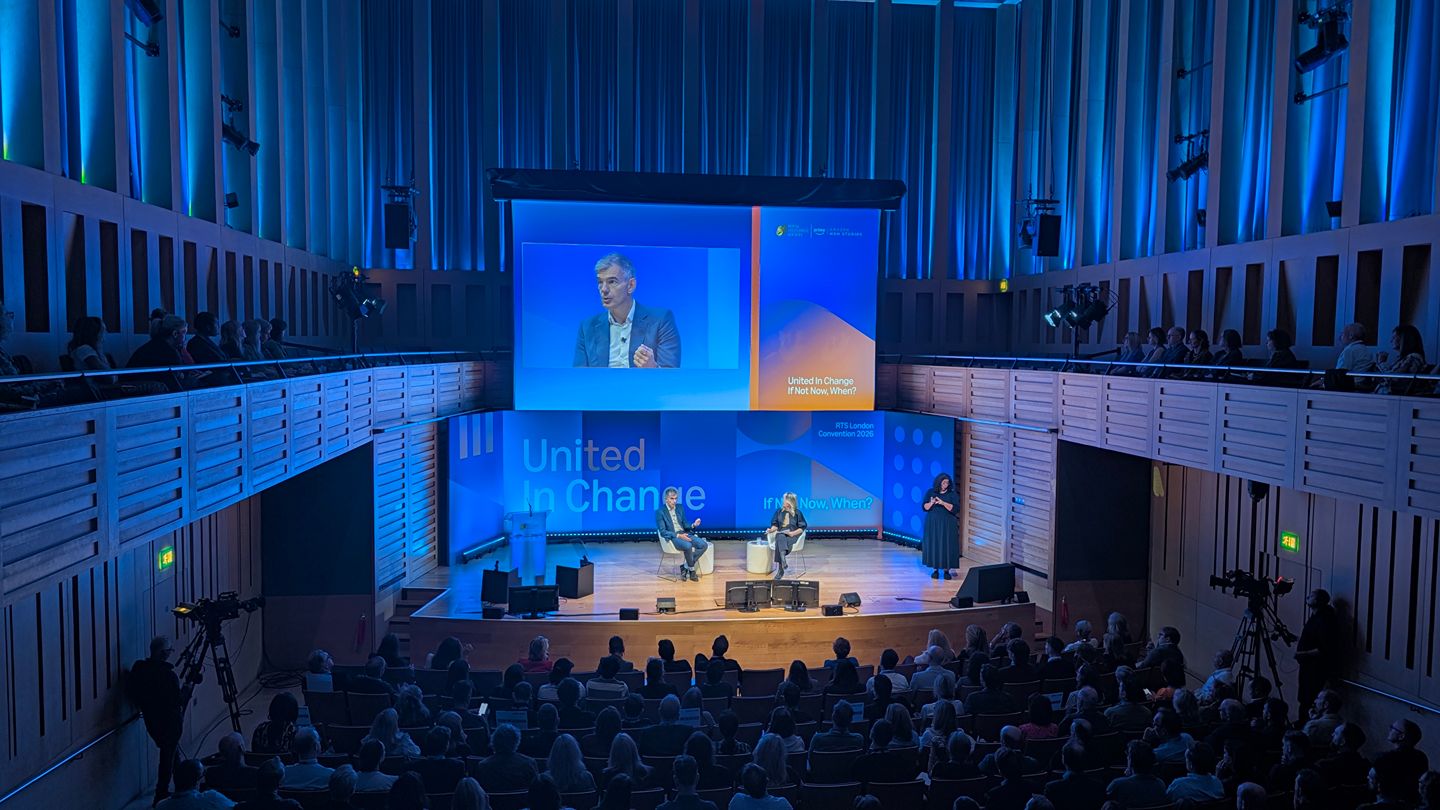
RTS Convention: “The prize for standing still simply isn't an option”
AI was largely sidelined at the annual RTS gathering where the fate of public service media took precedence. Adrian Pennington reports.
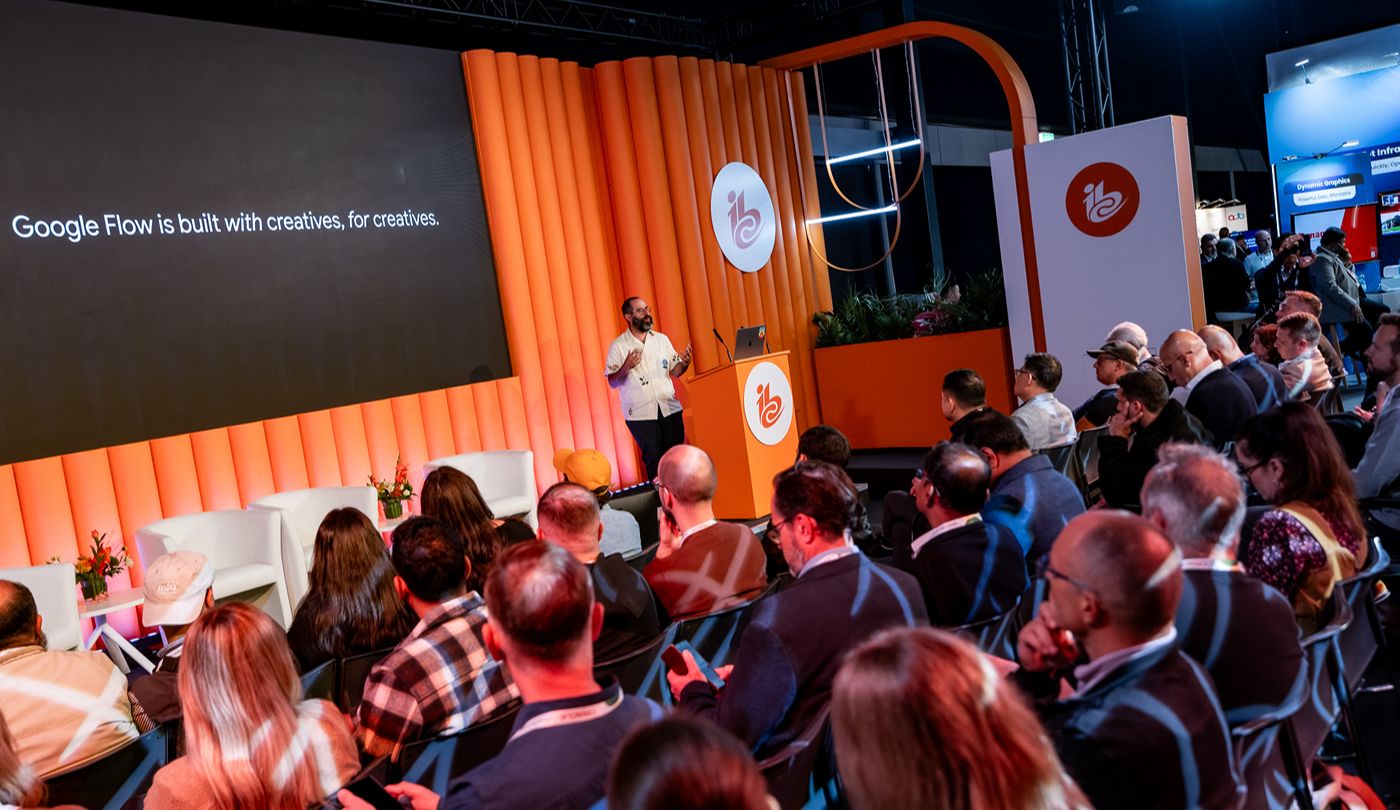
Content Everywhere at IBC2026: AI moves from hype to action
Companies from across the Content Everywhere ecosystem highlight what they see as some of the most promising industry developments at IBC2026, while calling out areas where they think the industry has room for improvement.
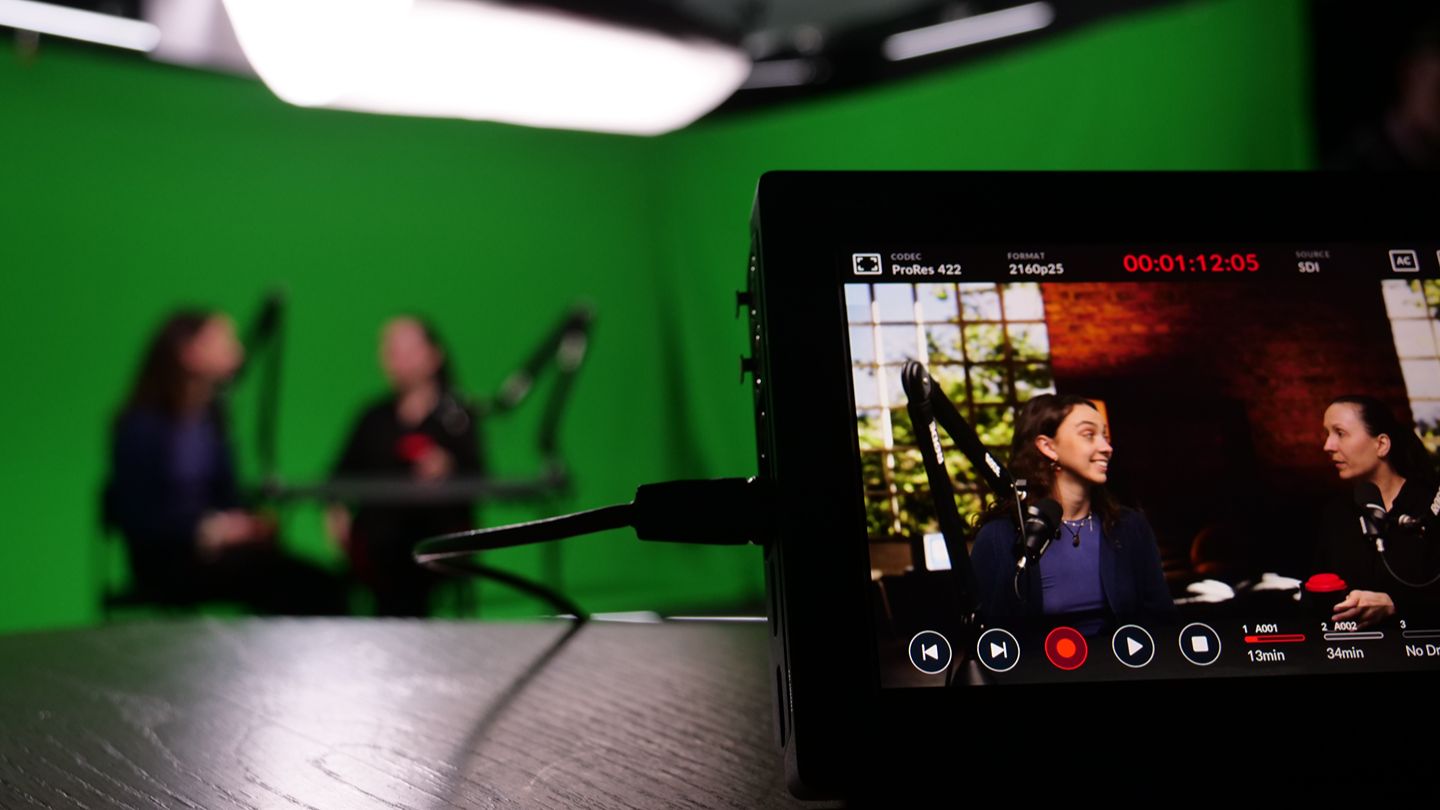
How virtual sets are changing the shape of podcast production
One podcast session can now feed a much wider content package spanning audio and video. Rob Chandler, Founder, CEO, The Dean Street Podcast Studio, explains how that changing demand shaped the studio he built in central London.
.jpg)
Innovation Awards: Collaboration and open standards triumph
The winners of the IBC Innovation Awards were revealed at an event at the Amsterdam RAI, honouring collaborative projects tackling some of the industry's biggest challenges.
.jpg)
IBC2026: What to look out for on Day 4
As the final day of IBC2026 draws near, visitors seize the last opportunity of the year to network, solidify partnerships, and soak up the last of the available innovative learnings across IBC2025’s 14 halls

.jpg)