.jpg)
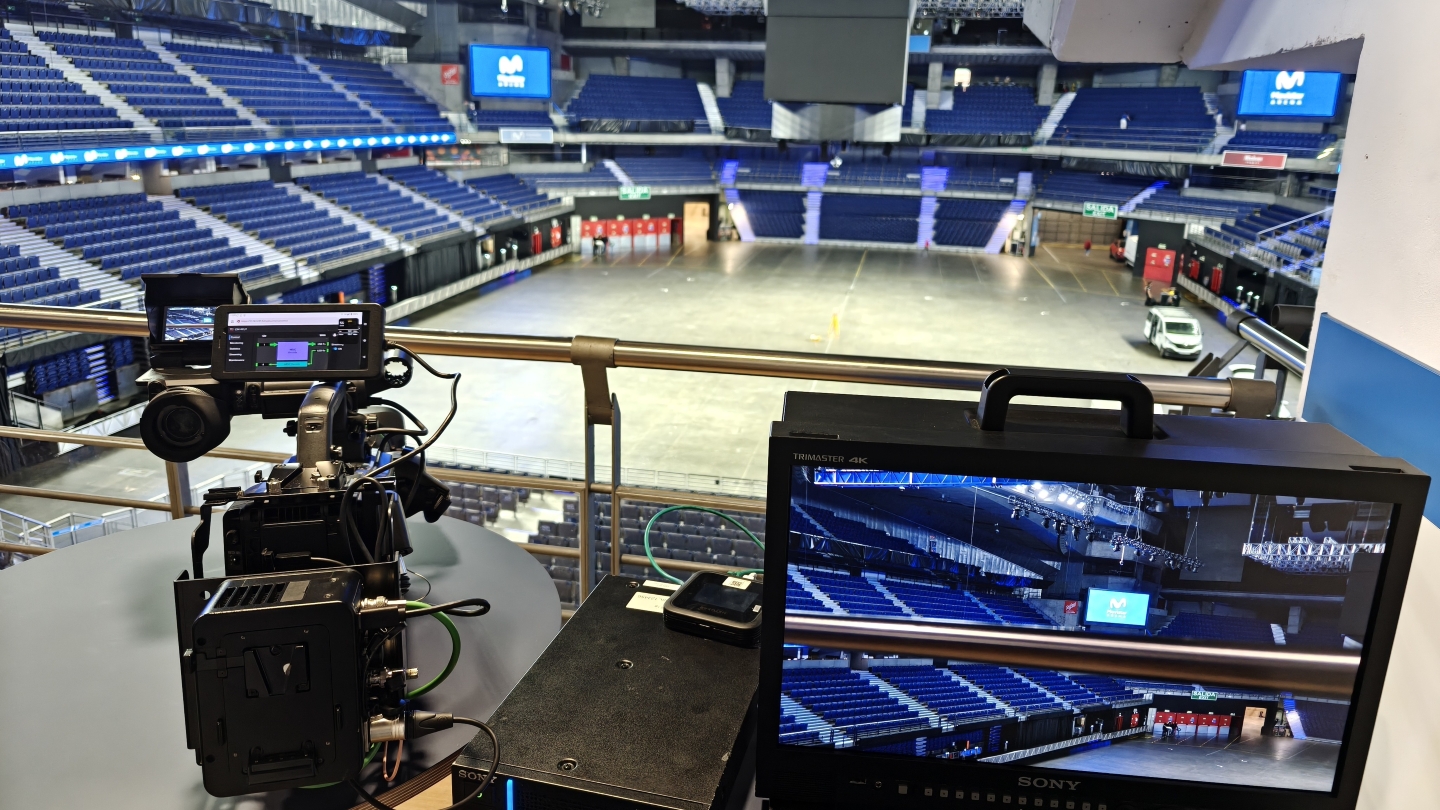
The Paris 2024 Olympics marked a significant milestone in the effectiveness of 5G technologies for live broadcast, with Neutral Wireless and the BBC leading the charge.
The use of 5G mobile networks for live video production – particularly newsgathering – is now well established. 5G can deliver high-quality feeds at low latency from multiple cameras in the field, extending the scope of covering live events. 5G networks can also be used to control cameras remotely, reducing the need for cabling.
While viewers of breaking news may be prepared to accept rough-and-ready video reports from the field, the use of 5G to deliver robust high-quality coverage of major events such as the Paris Olympic Games or the coronation of King Charles III in 2023 raised a host of challenges.
Olympic win
Involved in both the Olympics and the coronation was Neutral Wireless, which has been ...
You are not signed in
Only registered users can read the rest of this article.
.jpg)
Call my agent: Agentic AI begins buying media advertising
AI agents have the potential to automate media transactions at scale, but today’s focus is less about fully autonomous workflows and more on experimentation and efficiencies.
.jpg)
NAB Show New York: The stakes could not be higher
As media, technology, and politics become increasingly intertwined, the stakes extend far beyond the balance sheet.
.jpg)
6G-Holonet: Bringing Star Trek’s comms system to reality
As the 6G-Holonet project sets its sights on live entertainment, cultural heritage sites, and immersive media, Alex Buchan, Chief Technology Officer, DTG, reveals the key technological considerations that have ensured the project’s impact.
.jpg)
ULL-timate goal: How streamers are prioritising ultra-low latency
With audiences expecting instant global information, and broadcasters competing against social platforms that deliver clips within seconds, the race is on to deliver ultra-low latency (ULL) as a competitive edge.

RTS Convention: “The prize for standing still simply isn't an option”
AI was largely sidelined at the annual RTS gathering where the fate of public service media took precedence. Adrian Pennington reports.
.webp)