
Disney has withdrawn its licensing agreement with OpenAI, following the AI company’s decision to drop its video generation tool Sora.
Just three months ago, in December 2025, Disney agreed to invest $1bn in OpenAI as part of a three-year licensing arrangement that enabled users to make videos with more than 200 copyrighted characters on Sora.
Alongside the licensing agreement, Disney was to become a major customer of OpenAI, using its APIs to build new products, tools, and experiences for its services, including Disney+, and deploying ChatGPT for its employees.
Daoud Jackson, Senior Analyst at Omdia, commented: “The Open AI-Disney deal was heralded as a solution to two thorny problems. The first was how AI giants could use high-quality IP [intellectual property] and avoid endless litigation over copyright infringement. The second was how major studios could profit from genAI, rather than being overwhelmed in a deluge of generative content.
“While the deal was clever in skirting some complex issues, such as licensing character likenesses but not their images, the deal likely ultimately came unstuck for simple reasons. AI video generation tools like Sora are not only incredibly expensive in terms of compute but also risk massive reputational damage through deepfakes. Furthermore, they do not appear to drive sustainable user engagement as chatbots have."
According to Reuters, the Disney team was blindsided by the news of Sora’s closure on Monday, just 30 minutes after a meeting in which they were working alongside OpenAI on a project directly related to the tool.
The following morning, Sora stated on X: "We’re saying goodbye to the Sora app. To everyone who created with Sora, shared it, and built community around it: thank you. What you made with Sora mattered, and we know this news is disappointing. We’ll share more soon, including timelines for the app and API and details on."
The move is reportedly part of OpenAI’s strategy to focus its business on potentially more lucrative areas such as coding tools, corporate customers, robotics, and artificial general intelligence. This is because the AI video app required significant computational resources and left other teams with less firepower.
Disney was the first major Hollywood studio to agree to license parts of its catalogue to an AI giant, after many industry heavyweights were outraged about the copyright infringements and the wider implications of free, global access to established intellectual property (IP).
The Hollywood Reporter has since pontificated that the collapse of this competitor will mean that agreements with IP holders are likely to go to Google, now that it is essentially the only player in the space with scale, despite its numerous lawsuits.
Jackson concluded: “As OpenAI plans its enormous IPO [Initial Public Offering], bad publicity, bad financials, and bad user conversion seem like a risky trio to flirt with. For Disney, the wealth of IP it has access to means that it may seek to resurrect this deal or a similar one with an AI competitor of OpenAI. Regardless, it will continue to have to strongly protect its IP in the courts, as it has already begun to do.”
Canal+ recently launched an AI-powered content search with OpenAI. Discover more here.
.jpg)
EU Sovereign AI: Collaboration crucial to AI and cloud success
Collaboration and innovation are crucial ingredients for establishing a sovereign cloud and AI ecosystem within Europe to reduce dependency on US hyperscalers, concluded an SMPTE panel at IBC2026.
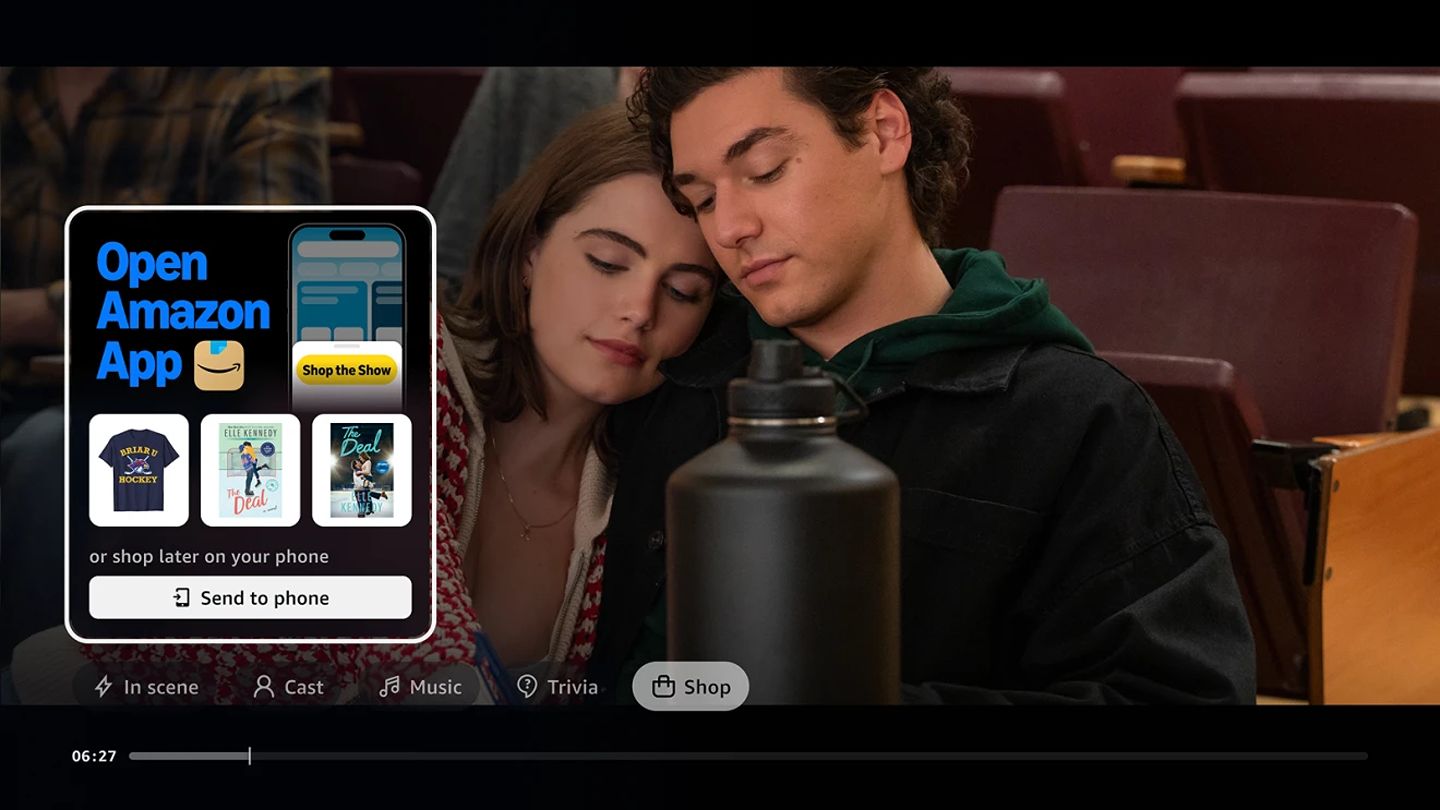
Prime Video expands Show the Show feature
Amazon Prime Video has rolled out its Shop the Show feature to more than 8,000 titles.
.jpg)
Indian streamer JioHotstar begins global rollout
Indian streamer JioHotstar has launched in the UK, Canada, and Singapore as part of a move to become a global entertainment platform.
.jpg)
IBC2026 brings M&E industry together to turn innovation into action
IBC2026 brought the global media, entertainment, and technology community together for four days of business, innovation, and collaboration at the RAI Amsterdam. Welcoming 41,225 attendees from 170 countries and more than 1,300 exhibitors, the show reflected an industry focused on turning rapid technological and commercial change into practical progress.
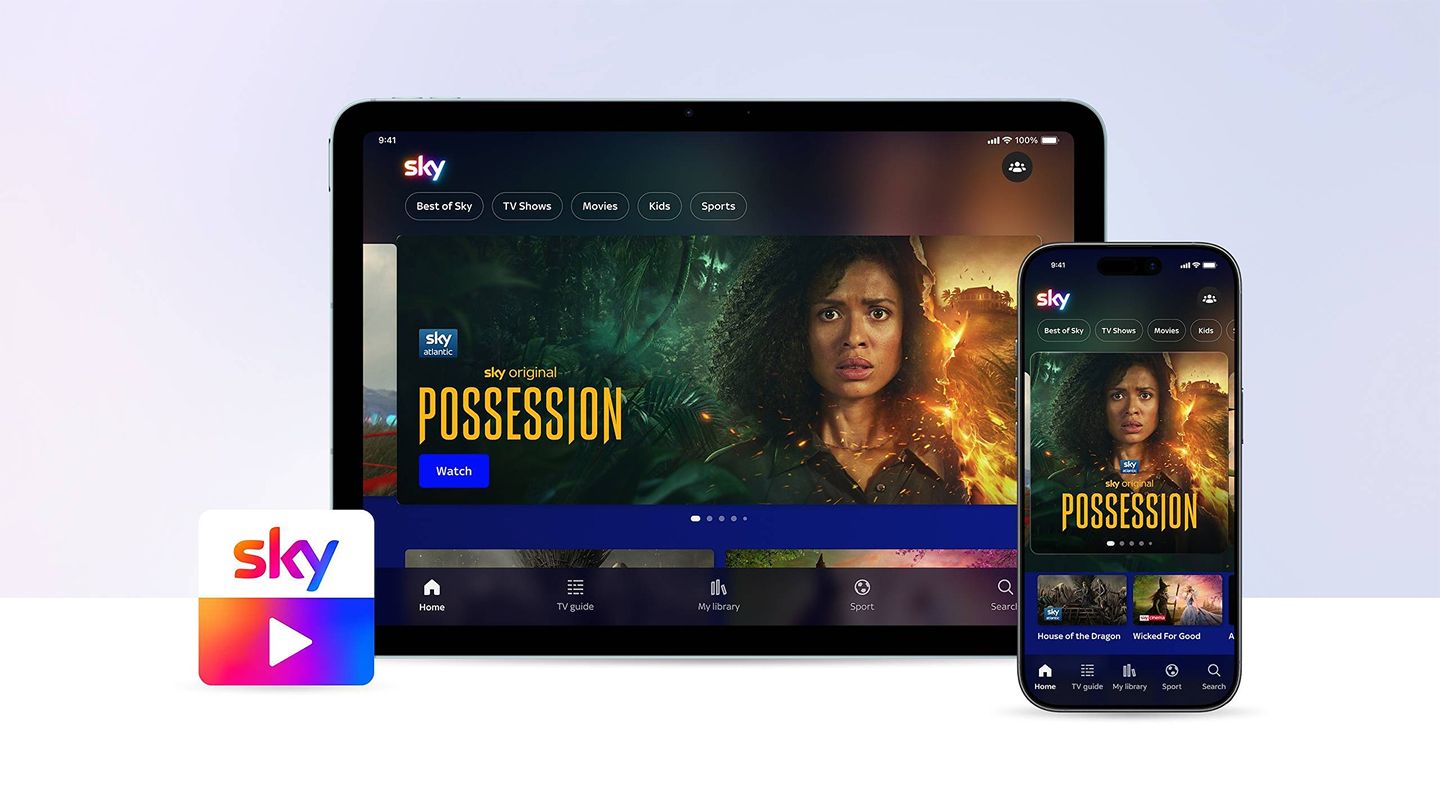
Sky revamps Sky Go app for Glass and Stream subscribers
Sky has launched an updated version of its Sky Go app for Sky Glass and Sky Stream customers, making it easier for subscribers to watch entertainment and live sport on the go.
.jpg)
.jpg)