
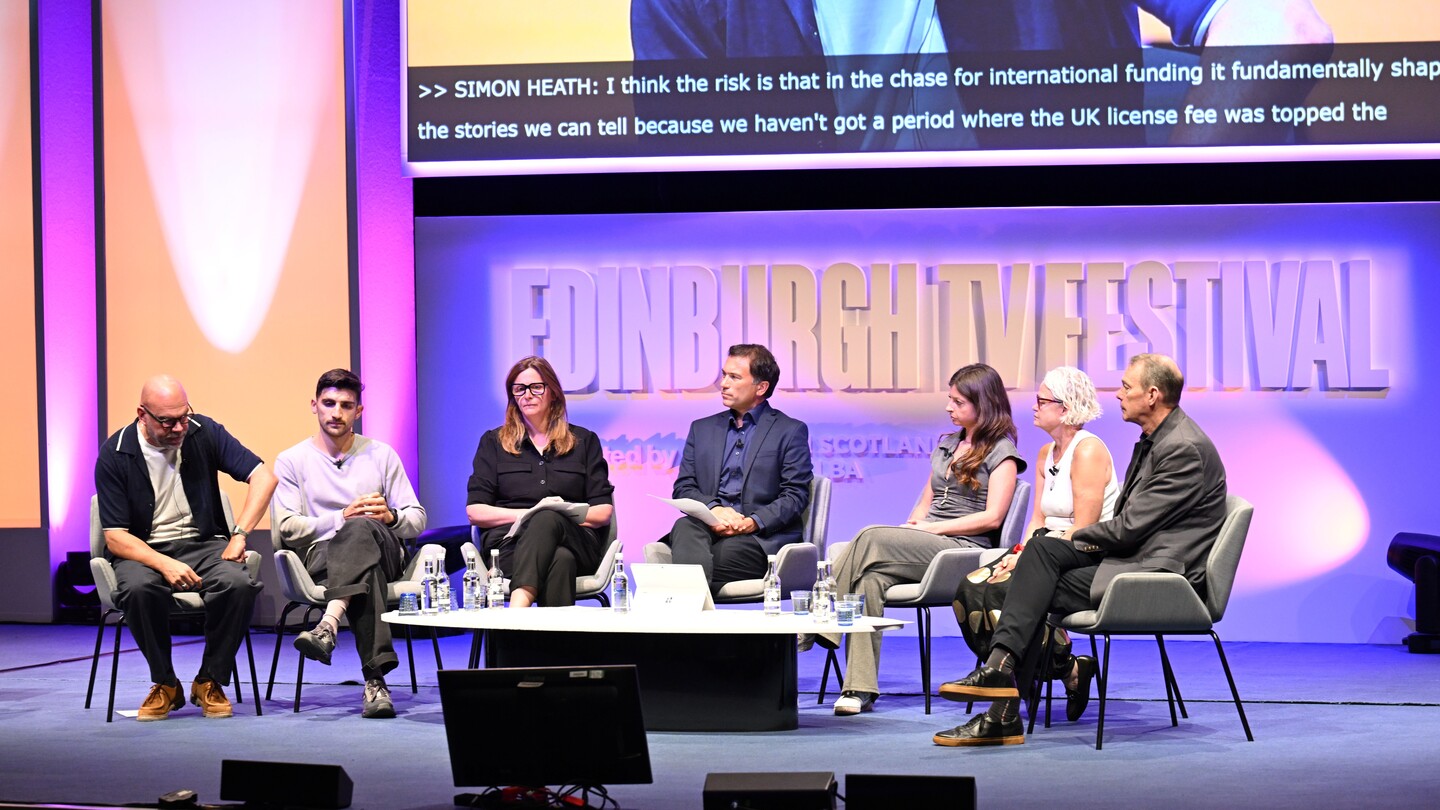
British TV is in the midst of generational transformation and, for better or for worse, is ever more directly affected by the global TV industry.
Netflix were called ‘TV tourists’ for hoovering up British TV talent after public service broadcasters had put in all the hard work and funding, during the 50th Edinburgh TV Festival.
This was related to a heated debate about how public service broadcasting should be protected and came alongside multiple warnings about the chilling effect of political interference on mainstream news.
You are not signed in
Only registered users can read the rest of this article.
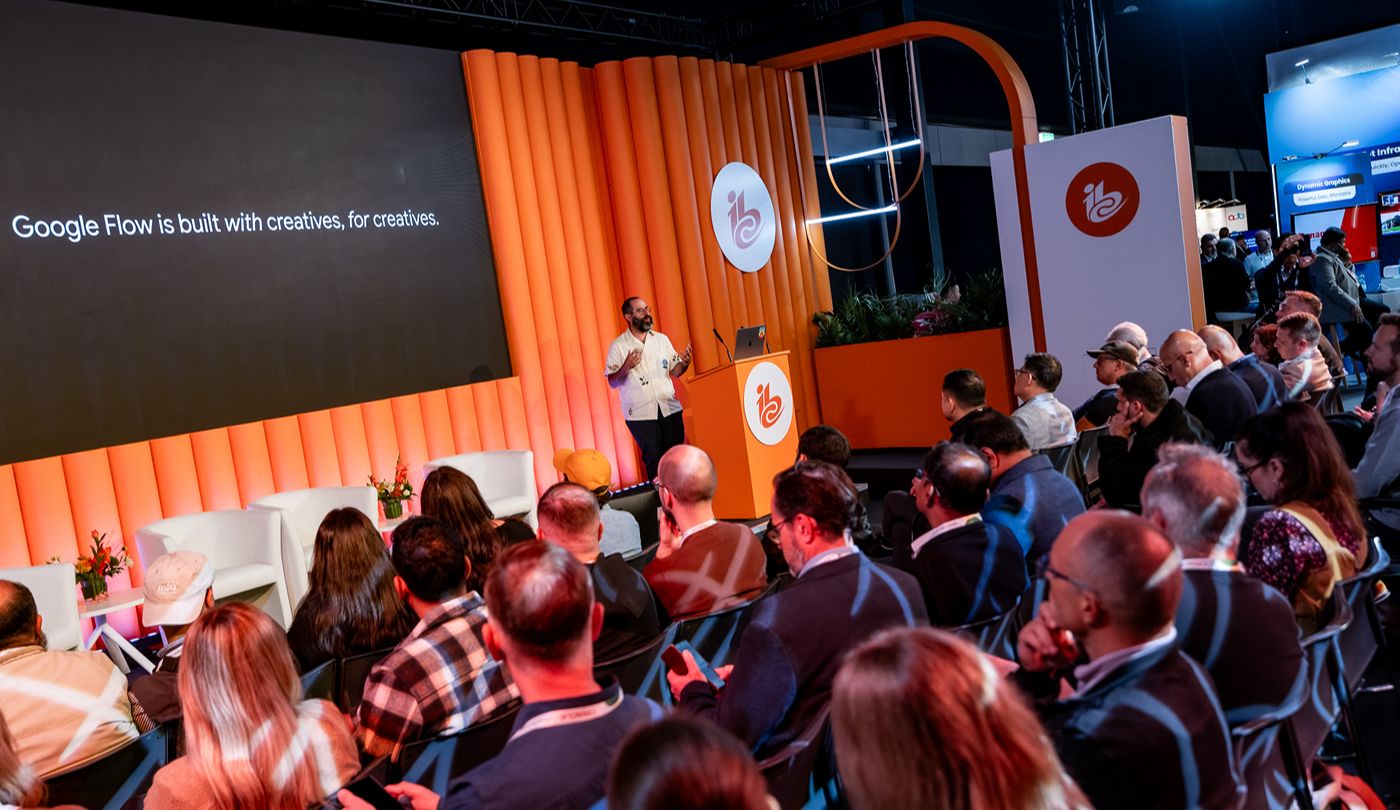
Content Everywhere at IBC2026: AI moves from hype to action
Companies from across the Content Everywhere ecosystem highlight what they see as some of the most promising industry developments at IBC2026, while calling out areas where they think the industry has room for improvement.
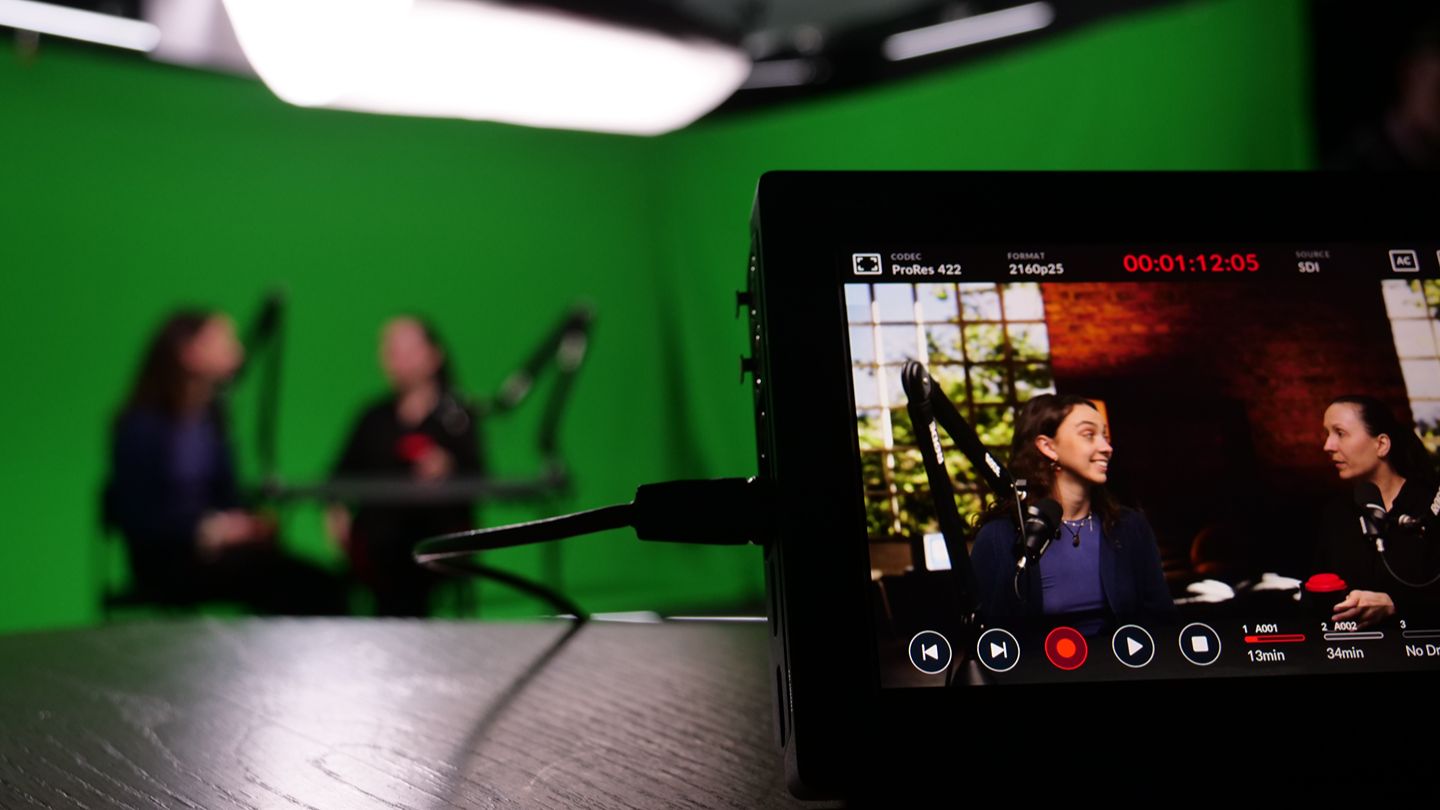
How virtual sets are changing the shape of podcast production
One podcast session can now feed a much wider content package spanning audio and video. Rob Chandler, Founder, CEO, The Dean Street Podcast Studio, explains how that changing demand shaped the studio he built in central London.
.jpg)
Innovation Awards: Collaboration and open standards triumph
The winners of the IBC Innovation Awards were revealed at an event at the Amsterdam RAI, honouring collaborative projects tackling some of the industry's biggest challenges.
.jpg)
IBC2026: What to look out for on Day 4
As the final day of IBC2026 draws near, visitors seize the last opportunity of the year to network, solidify partnerships, and soak up the last of the available innovative learnings across IBC2025’s 14 halls
.jpg)
IBC Technical Papers 2026: Complete list of tech papers
The IBC Technical Papers Programme features original, novel research on solutions to real-world problems faced by the international broadcast and digital media industry.

.jpg)