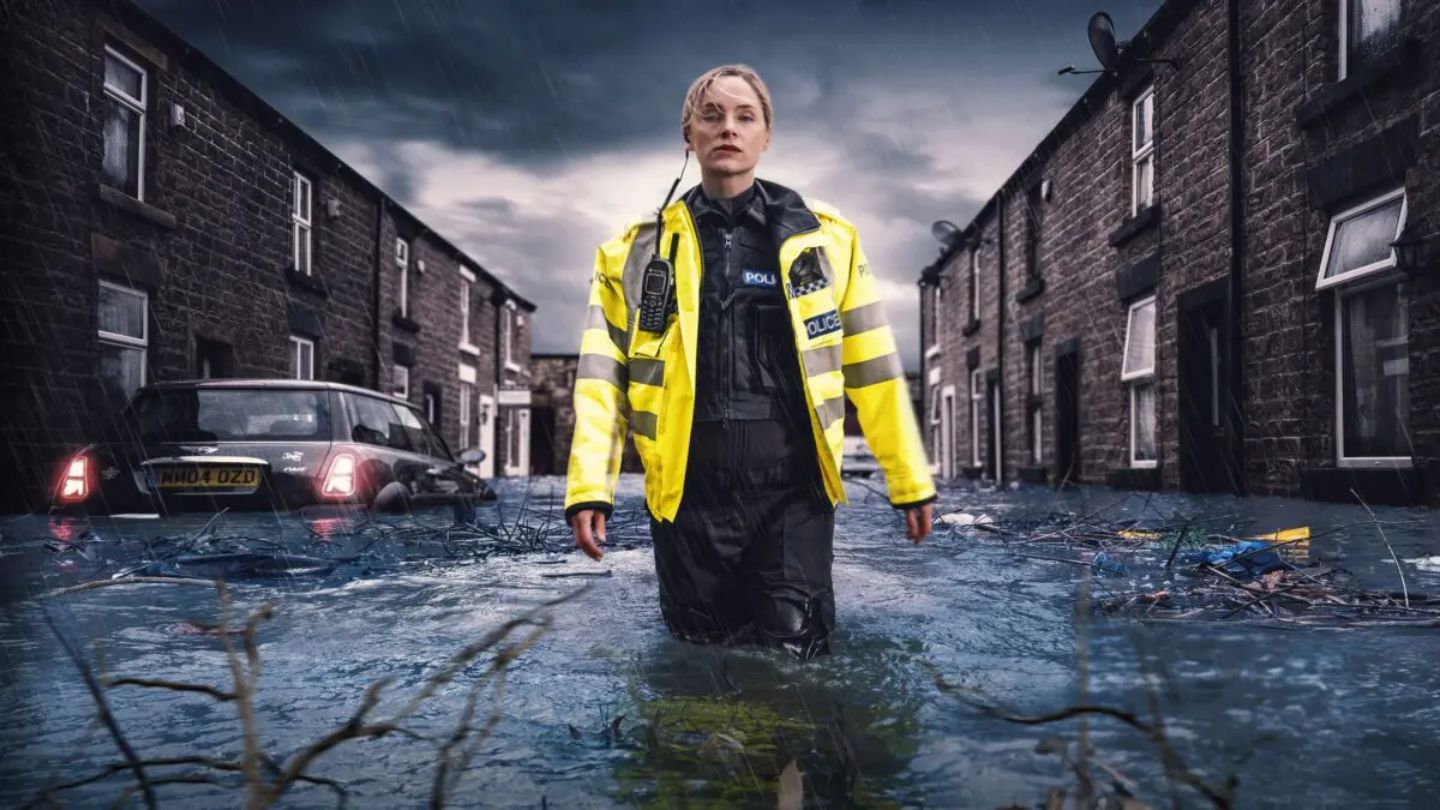
For 15 years, BAFTA Albert has worked alongside the UK's screen industry, helping transform the power of storytelling into meaningful climate action, both behind the camera and on screen.
As the organisation marks its 15th anniversary in 2026, it enters a new chapter with the launch of the Next Generation Toolkit: a new web-based platform for tracking carbon emissions. The system has been designed to help productions forecast, measure, and report emissions, while identifying practical opportunities to reduce their environmental impact.
Alongside this, BAFTA Albert continues its work to accelerate the shift away from fossil fuels on set, champion sustainability across productions, and support content creators to tell climate stories that inspire audiences to act themselves.
Matt Scarff, Managing Director of BAFTA Albert, reflects on 15 years of progress.
Can you explain what BAFTA Albert does and how it works with the industry?
At its heart, BAFTA Albert is a coalition of the willing. We exist to support the film and television industry in navigating the opportunities and challenges of sustainable production. That means providing practical tools, training, guidance, and standards that help productions reduce their environmental impact and make informed decisions.
For the past 15 years, we've helped TV and film measure their carbon emissions through our Carbon Calculator and Toolkit, supporting thousands of productions to understand and reduce their footprint. At the same time, we've worked with commissioners, broadcasters, streamers, and production companies to ensure climate content is considered across every genre, not only factual or natural history programming, through initiatives like the Climate Content Pledge.
Ultimately, our role is to bring people together, share knowledge, and empower lasting change across the screen industry.
BAFTA Albert is marking 15 years in 2026 – how has the organisation's role evolved since it began as a BBC carbon calculator?
Back in 2011, conversations about carbon emissions, climate action, and sustainable production were far less common. These weren't topics routinely discussed in pre-production meetings, on location or on set. I experienced that first-hand, having worked in production during that period.
Change started with a small group of passionate people who recognised both the challenge and the opportunity. What began as the BBC Carbon Calculator has since evolved into BAFTA Albert, a trusted industry-wide organisation that supports meaningful action across the sector and is owned and operated by BAFTA.
Today, backed by BAFTA's creative heritage and convening power, we bring together organisations from across the industry to drive progress. We provide practical tools, clear standards, training, certification, and evidence-based guidance that help productions turn ambition into action.
We've also become a leading voice in climate storytelling. Since launching the Climate Content Pledge at COP26 in Glasgow in 2021, we've seen growing commitment from broadcasters, streamers, and producers who understand the role storytelling can play in shaping a more sustainable future.
What would you say has been BAFTA Albert's biggest achievement over that time?
Without question, it's the industry's willingness to collaborate.
The film and television industry is highly competitive, with organisations understandably focused on audiences, commissioning, and production. Yet, when it comes to climate action, we've seen broadcasters, streamers, and production companies come together to create remarkable change at speed and with purpose.
That collective approach has delivered real progress. Through our task forces and working groups, industry leaders collaborate on shared challenges and practical solutions that benefit everyone.
A great example is our SPARK: Clean Temporary Power by 2030 publication, which brings organisations together around the common ambition to accelerate the transition from fossil fuel-powered generators to cleaner energy solutions on productions.
The scale of collaboration we've seen over the last 15 years gives me real optimism about what we can achieve next.
How widely adopted is certification across the industry today, and what's driving that uptake?
The growth has been extraordinary. In 2015, just 18 productions achieved BAFTA Albert certification. In 2025, 10 years later, that number had grown to 2,359 certified productions.
That increase reflects a much deeper shift across the industry. While broadcaster and streamer requirements have undoubtedly helped accelerate adoption, the biggest driver has been the people working in production.
Across every role and department, we're seeing individuals who genuinely care about reducing the environmental impact of their work. They want to create outstanding content while ensuring they're doing the right thing for the planet.
What are the biggest barriers productions still face when trying to reduce their environmental impact?
If I had to name one challenge, it would be time.
Production schedules are often incredibly demanding, which is why we encourage sustainability planning from the very earliest stages of a project. The sooner environmental considerations are built into decision-making, the easier it becomes to identify opportunities for meaningful change.
That's exactly why we've developed resources such as the Next Generation Toolkit and our Supplier Directory. These tools give productions easy access to guidance, data, and environmentally responsible suppliers.
We also work closely with a fantastic network of sustainability consultants and experts who can provide additional support when productions need it.
How do sustainability priorities differ between smaller independent productions and major broadcasters or streamers?
The priorities themselves are remarkably similar. Through our Accelerate 2025 report, we identified five key areas where the industry can make the greatest impact: travel and transport, energy, materials, waste, culture, and data.
Those priorities apply whether you're working on a short independent production or a major international series.
The reality is that smaller productions may have fewer resources or smaller teams, while larger productions often face challenges of scale and complexity. However, every production has opportunities to make positive changes.
Our aim is to ensure that access to sustainability support isn't determined by budget. The tools, guidance, and resources we provide are designed to help productions of all sizes take meaningful action.
.jpg)
Are there any new tools, standards, or programmes BAFTA Albert is developing at the moment?
The launch of the Next Generation Toolkit on 16 September 2026 is a significant milestone for us.
Developed with and for the production community, the platform will provide more comprehensive forecasting, measurement, and reporting capabilities, as well as practical insights into decarbonisation. Importantly, it will help productions demonstrate and communicate their sustainability achievements through a new generation of BAFTA Albert certification.
We're also opening the next submission round for the Studio Sustainability Standard on 30 September 2026.
Developed in partnership with Arup, this standard recognises the crucial role studios play in supporting the industry's transition towards a zero-carbon, zero-waste future. More than an accreditation, it's designed as a practical management tool that helps studios understand their impacts, prioritise action, and demonstrate sustainability leadership
Technology is often framed as both a challenge and a solution for sustainability – where do you see AI, cloud, and remote production workflows fitting into that picture?
Technology is evolving incredibly quickly, and the screen industry is evolving alongside it. As these technologies continue to develop, we're working closely with our board, advisory groups, and industry partners to understand both the opportunities and the environmental implications they bring.
One thing we've learned repeatedly is that this industry is incredibly adaptable. We saw that during the Covid-19 pandemic, when productions transformed ways of working almost overnight.
Our role is to continue listening, learning, and supporting the industry as new technologies emerge. There are still many questions to answer, but we're committed to helping the sector navigate this changing landscape responsibly.
What trends are you seeing industry-wide when it comes to sustainability commitments right now?
One of the most exciting developments is what I'd describe as a full-lifecycle approach to sustainability.
We're seeing climate considerations embedded throughout the entire production process, from the earliest creative discussions and development stages through to production practices and audience engagement strategies.
Increasingly, productions are exploring not only how they reduce their environmental impact, but also how their content can encourage positive change among audiences.
Programmes such as Dirty Business, Under Salt Marsh, and Force of Nature demonstrate the growing ambition to combine compelling storytelling with meaningful impact. It's a powerful reminder that sustainability isn't separate from creativity. In many cases, it's enhancing it.
Looking ahead, what's next for BAFTA Albert, and what would you like the industry to focus on over the next few years?
Meaningful climate action will only happen if we continue to work together around shared goals, guided by evidence, collaboration, and practical action. That's why we're focusing on initiatives that can deliver measurable impact at scale, not just for individual productions, but for the industry as a whole
As for BAFTA Albert, our mission remains unchanged: to support consistent climate action across the screen sector, help measure progress, and maintain momentum.
The screen industry can't solve the climate crisis alone. However, through the stories we tell, the choices we make, and the actions we take together, we can play a significant role in creating positive change.
John Maxwell Hobbs recently investigated the value of virtual production today, after the hype – analysing the clear strengths, clear limits, and the technology’s growing body of use cases across a range of budgets. Discover more here.
EBU’s Alan Fagan: “Eurovision Sport isn’t simply another streaming platform”
The Managing Director of the EBU’s first direct-to-consumer platform tells David Davies about two years of market growth and technological progress, recent excursions into AI, and the broader EBU sports ecosystem.
 SR (1).jpg)
Ant Boys on The Invite and AI's promise
ACE Eddie-winning and BAFTA-nominated film editor Ant Boys, whose work includes The Great and Veep, discussed his latest film, the comedy/drama The Invite, and shared his views on the potential of AI in film editing, during a conversation at the IBC Conference yesterday, presented by American Cinema Editors.
.jpg)
Toby Scales: Building trust in an AI world
In preparation for his IBC2026 conference session, Toby Scales, CISO Media, Entertainment, Chairperson, Google Cloud, reveals what’s next for authenticity, provenance challenges, and AI.

Banijay’s Adam Kaczmarski: “Brand is the enabler of the entertainment”
IBC2026 speaker Adam Kaczmarski, Creative Producer, Electric Robin, explains why successful branded entertainment must put audiences before products, measure emotional engagement, and give creative partners room to tell compelling stories.
.jpg)
CNN’s Alex Charalambides: Truth will become the asset
Alex Charalambides, Senior Vice President, Chief Technology Officer, CNN, brings digital reinvention to the IBC2026 stage.
.jpg)
.png)