
The BBC has begun the first phase of a trial of low-latency live streaming on BBC iPlayer.
The trial will help the BBC assess how well low latency streaming approaches perform over the internet into viewers’ homes.

It is part of a move by BBC Research & Development to try to improve the quality and reliability of video delivery over the internet. For the next few weeks, viewers who have opted into iPlayer’s ‘beta’ mode may see an experimental low-latency stream of BBC Two when watching live on iPlayer.
Viewers currently watching streams over the internet see things happening later than those watching on traditional broadcast. The delay is around 40 seconds on iPlayer and many other streaming services. This compares to an end-to-end delay of just 8-10 seconds for the BBC’s broadcast services.
For live sport and for live events with a social media following, the delays can be an issue for viewers.
In a blog post announcing the trial, Chris Poole, Lead R&D Engineer at BBC Research & Development, noted that reducing internet delivery delays to match traditional broadcast means less time for the streaming client to adapt to changes in network conditions. “This in turn makes it harder to avoid ‘stalling’ where video playback stops and viewers have to wait for a period of ‘rebuffering’ before the stream continues. We have worked on ways to solve this and have modelled, tested and analysed the performance. That work suggests that we should be able to achieve delays comparable to broadcast. But, since everyone’s internet connection is different, the only way to be sure how well it works in the real world is to try it in the real world.”
Poole said the BBC is using a technology called Low Latency DASH with chunked CMAF segments.
.jpg)
EU Sovereign AI: Collaboration crucial to AI and cloud success
Collaboration and innovation are crucial ingredients for establishing a sovereign cloud and AI ecosystem within Europe to reduce dependency on US hyperscalers, concluded an SMPTE panel at IBC2026.

Comcast and Paramount Skydance weigh future of SkyShowtime platform
Comcast and Paramount Skydance are reportedly considering winding down their SkyShowtime joint venture.
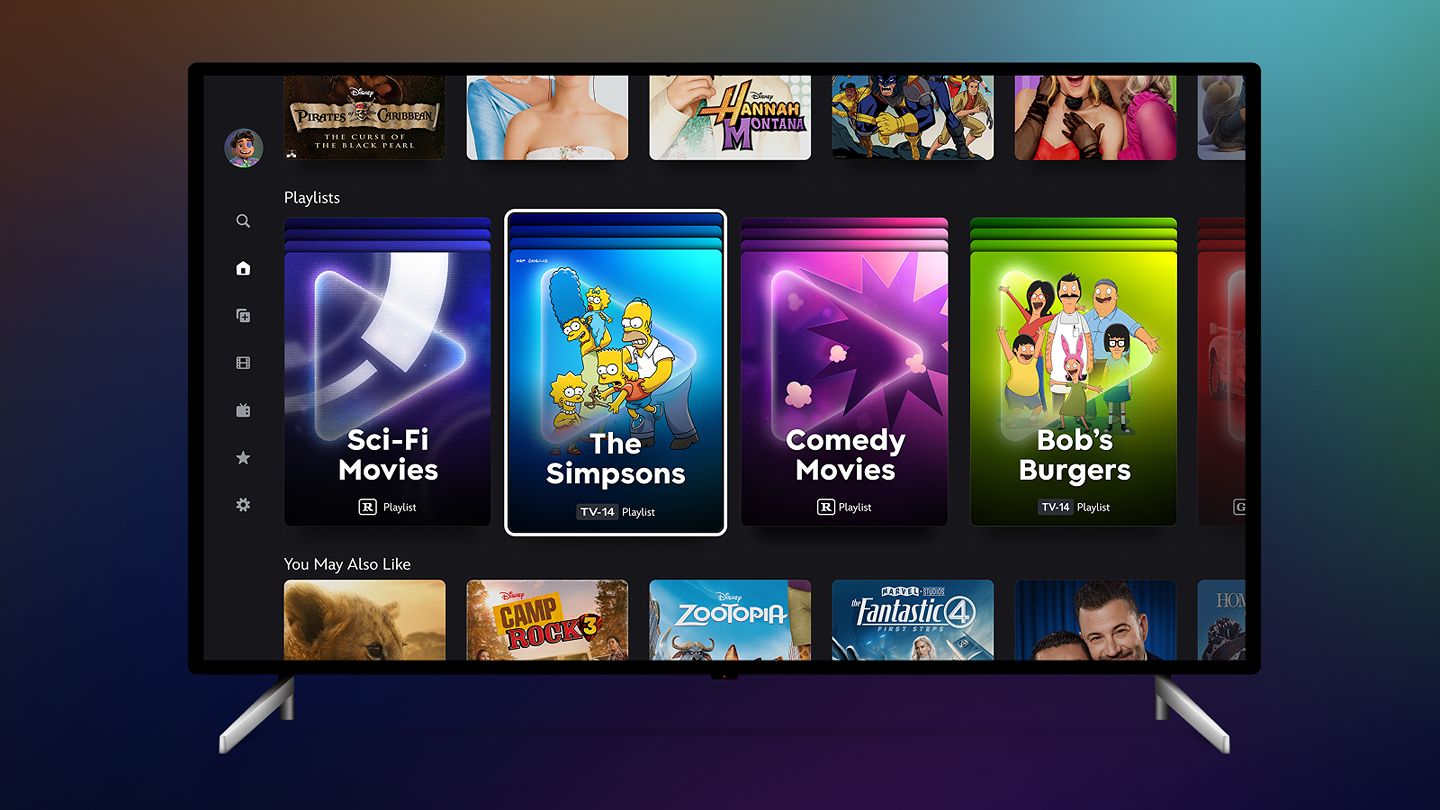
Disney+ launches curated Playlists feature
Disney+ is introducing Playlists, a feature that brings together themed collections of episodes and movies that play continuously.
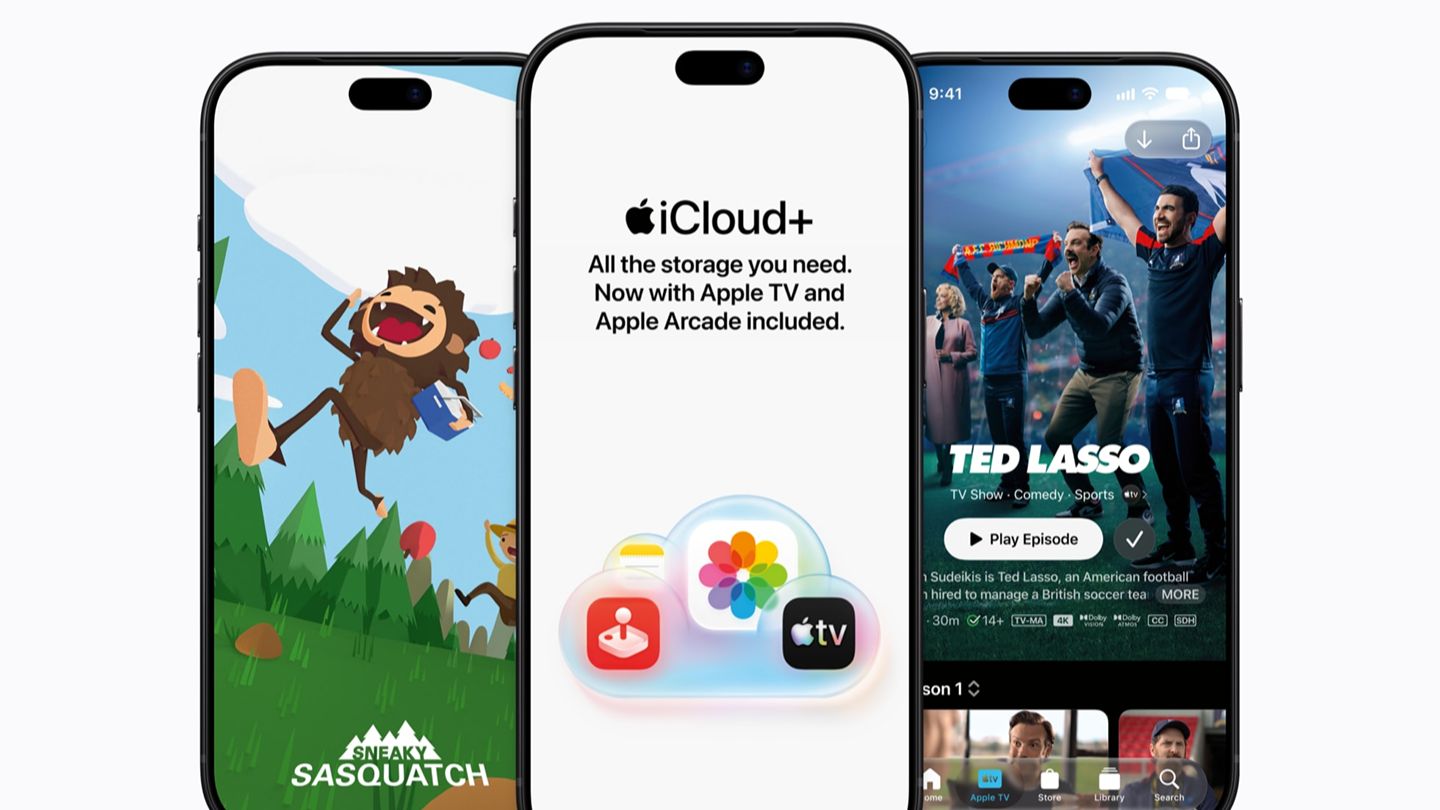
Apple expands Apple TV to 170 markets
Apple is rolling out is Apple TV streaming platform into 59 additional countries, taking the service’s global footprint to 170 markets.

Canal+ and LaLiga strike anti-piracy agreement
France’s pay-TV group Canal+ and Spanish football league LaLiga have signed a strategic anti-piracy agreement covering nearly 50 countries across Europe, Sub-Saharan Africa, and Haiti.
.jpg)
.jpg)