6G: media should plan for the internet-of-senses
Developers believe 6G will usher in photo-realistic holographic communication complemented by multisensory extensions - and experiments are already happening today.

Developers believe 6G will usher in photo-realistic holographic communication complemented by multisensory extensions - and experiments are already happening today.
Re-recording Mixer Tony Volante and Cinematographer Jomo Fray explain how they told a drama from the perspective of its lead characters.
Improved standards are helping to drive the migration of live production to IP and the cloud, whilst greater personalisation, extended coverage and higher-quality video all remain high on the wish list.
In a world of green screen and AI, the sets for Gladiator II might be the last great build in movies.
The transition to IP using SMPTE 2110 has been broadly successful in a studio environment but interoperability in the live and near live domain still has work to go. A recent innovation from the BBC could provide the answer.
Editor Jeff Groth asks for the film to be judged on its artistic merits and explains his process with flashbacks, story cards and musical numbers.
Olympic Channel Services created an AI tool to help its editorial team deal with the huge deluge of live content, supporting creative decisions rather than reducing headcount. John Maxwell Hobbs reports.
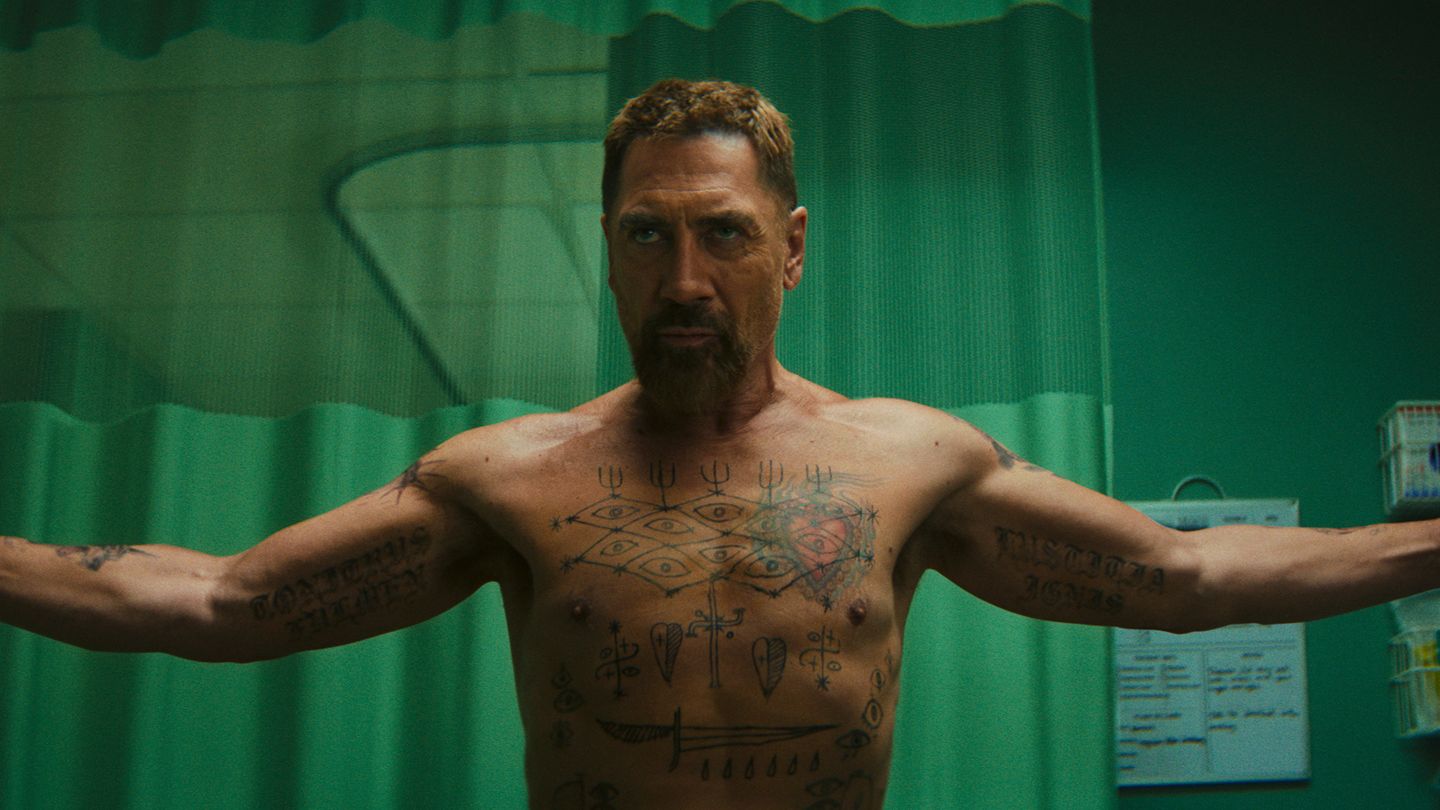
Cinematographer Paul Guilhaume explains how a transgender cartel musical is told with magical realism.
In last month’s review of key trends at IBC this year, Mark Strachan, chief product officer at Telstra Broadcast Services, made the observation that the media and entertainment industry remains a “very male-dominated industry with more work needed to create change”.
In a world where 80% of ad spend goes to outcome-based performance channels, how can TV compete effectively?