
The lunchtime session at the Future Tech stage on Saturday titled “From Open Models to Owned Intelligence: Building Sovereign AI for Media” saw representatives from NVIDIA and Dell discuss the merits of localised, open-weight AI models.
These, in theory, offer greater control in terms of IP management, reduce cloud and subscription costs, and enable greater tailoring to specific requirements. On the flipside, relatively powerful local compute resources are normally required, resurfacing the age-old IT debate of Capex vs Opex.
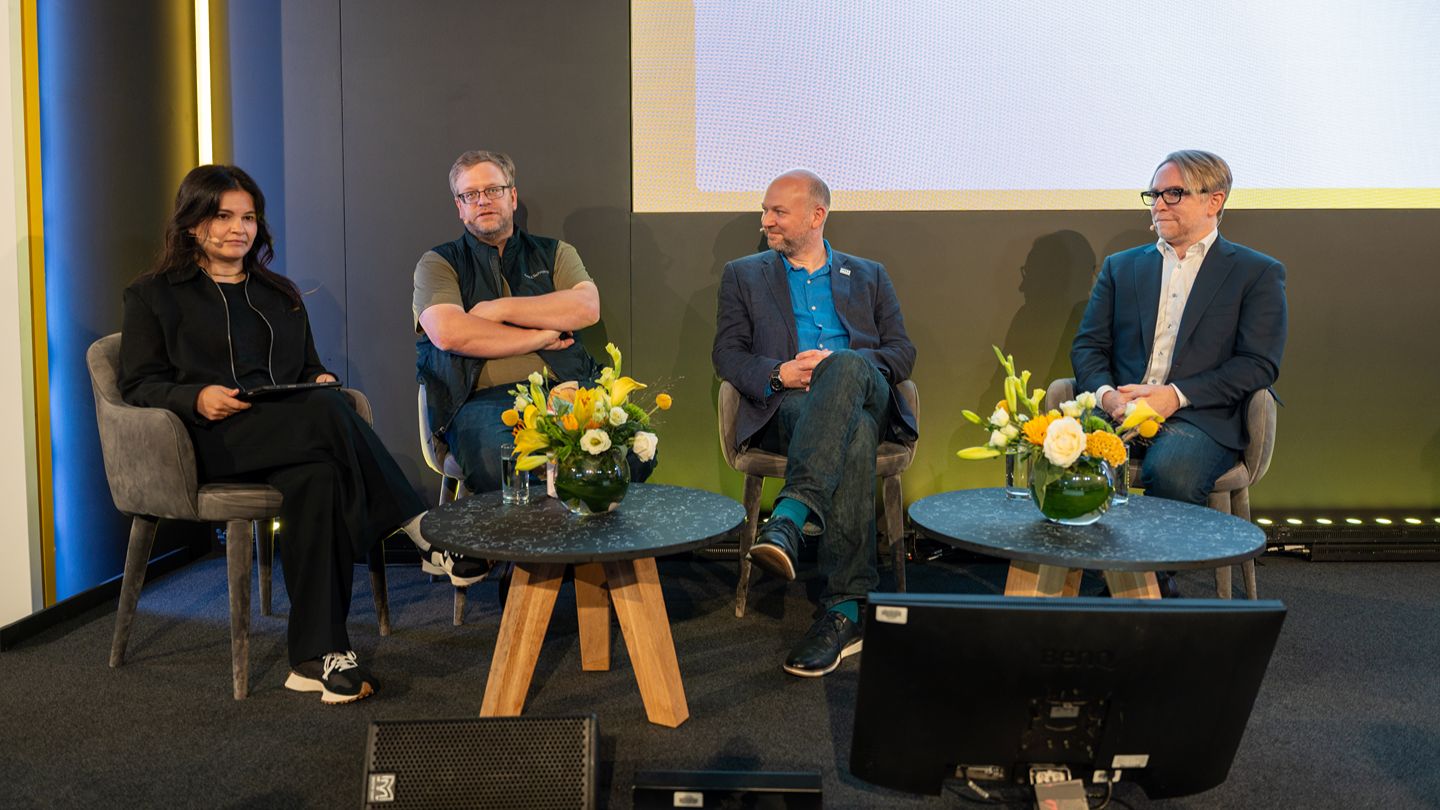
Simon Haywood, M&E CTO, Dell Technologies, outlined one of the biggest drivers of sovereignty. He said: “Trust is so big and so important in so many respects. We talked about whether the computer is on your premises or with a trusted cloud provider, and we talked about a change of custody, a news story that you watch on your television. You have to be able to trust that a broadcast comes from a trusted organisation. Everything is about trust and being able to work with an AI model you have chosen, optimised, and fine-tuned for yourself, and which remains under your control. That's another way of maximising the trust that you have, and that your customers have in you.”
Logan Lawler, Dell Pro Precision AI Strategy, Dell Technologies, followed up on the cost benefits: “I think the biggest shift is to get people to recognise the way they are using resources. For example, a Ferrari and a Ford Taurus are both cars that get you from A to B, but one goes way faster than the other. However, if I'm driving the speed limit, why do I need a Ferrari? I don't. Think about that as a local model that's following instructions. Why not go that route and save yourself a lot of money…”
Rick Champagne, Director, Global Media, Entertainment Industry Strategy, Marketing, Nvidia, added in a broader note: “We're working with the European Broadcasting Union on defining standards for sovereign AI. The reason that's important is that if you're a citizen of the local nation, you want to address the public service media company that serves that country, and so having proprietary or owned intelligence is really important to that. It's key, in fact. So, this project or these standards cover how to set up AI so that it is sovereign to that company, so that nothing is influenced by external sources. So, for example, you're a citizen of the UK. You trust the BBC. The BBC is using sovereign AI, and so that means that they are preserving the values of the British people. They are preserving the culture. They are preserving the diversity of language in the UK.”
As Haywood pointed out, having control of your local LLM has other benefits too, not least that you are in control of which model is used for what process, something that can benefit from very granular control. “If you think back to before AI was invented, one of the criticisms of archivists or metadata taggers is that they were inconsistent. Different human beings tag in slightly different ways, which meant in the future, content was difficult to find.
“So, people were looking for consistency, and still are looking for consistency. As we move forward into a world where algorithms and large language models can start doing some of that metadata enrichment for you, we still need some level of consistency, so that in the future our future selves can still make sense of it”, he concluded.
.jpg)
EU Sovereign AI: Collaboration crucial to AI and cloud success
Collaboration and innovation are crucial ingredients for establishing a sovereign cloud and AI ecosystem within Europe to reduce dependency on US hyperscalers, concluded an SMPTE panel at IBC2026.
 (1).jpg)
Authentic future: Trust demands shared responsibility
There’s a shared global responsibility to address piracy, authenticity, and provenance at this critical time, panellists agreed during the recent IBC Conference session, “Security, Authenticity and Provenance: How can we trust the content we have now and in the future?”
 SR.jpg)
Europe faces streaming pivot crisis
To avoid decline, European media companies must align with global streaming and social platforms.
.jpg)
AI gender gap exposed: Bias threatens jobs, innovation, and democracy
In an IBC panel, a team of experts from SVG, Women in Virtual Production, and Women in Technology Hollywood asked the searing ethical and feminist questions implicit in the rise of AI.
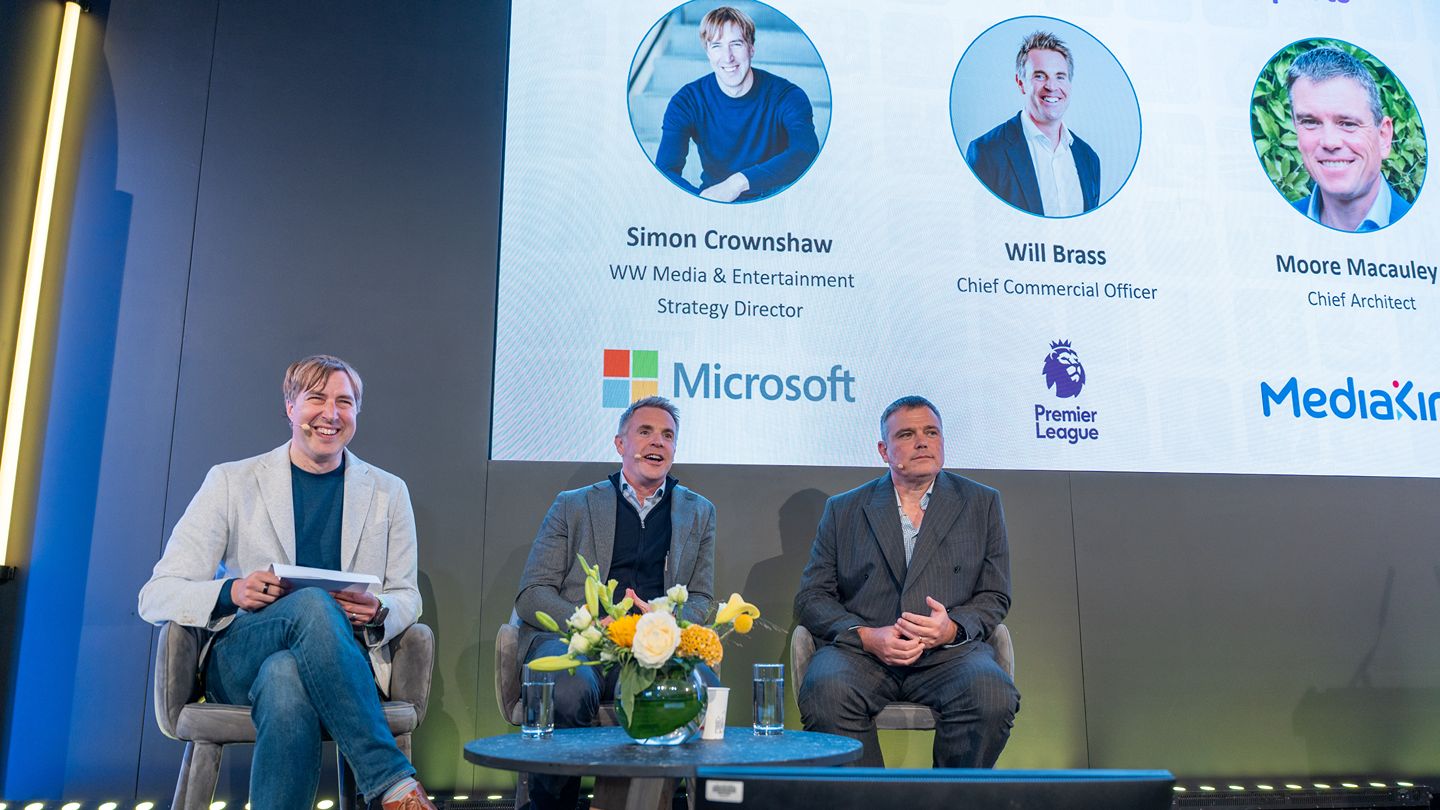
AI-personalised live sports: Content for the next generation
At IBC2026 conference, Premier League’s Will Brass laid out his vision for the future of live sports, AI, and personalised recommendations.

 SR (1).jpg)