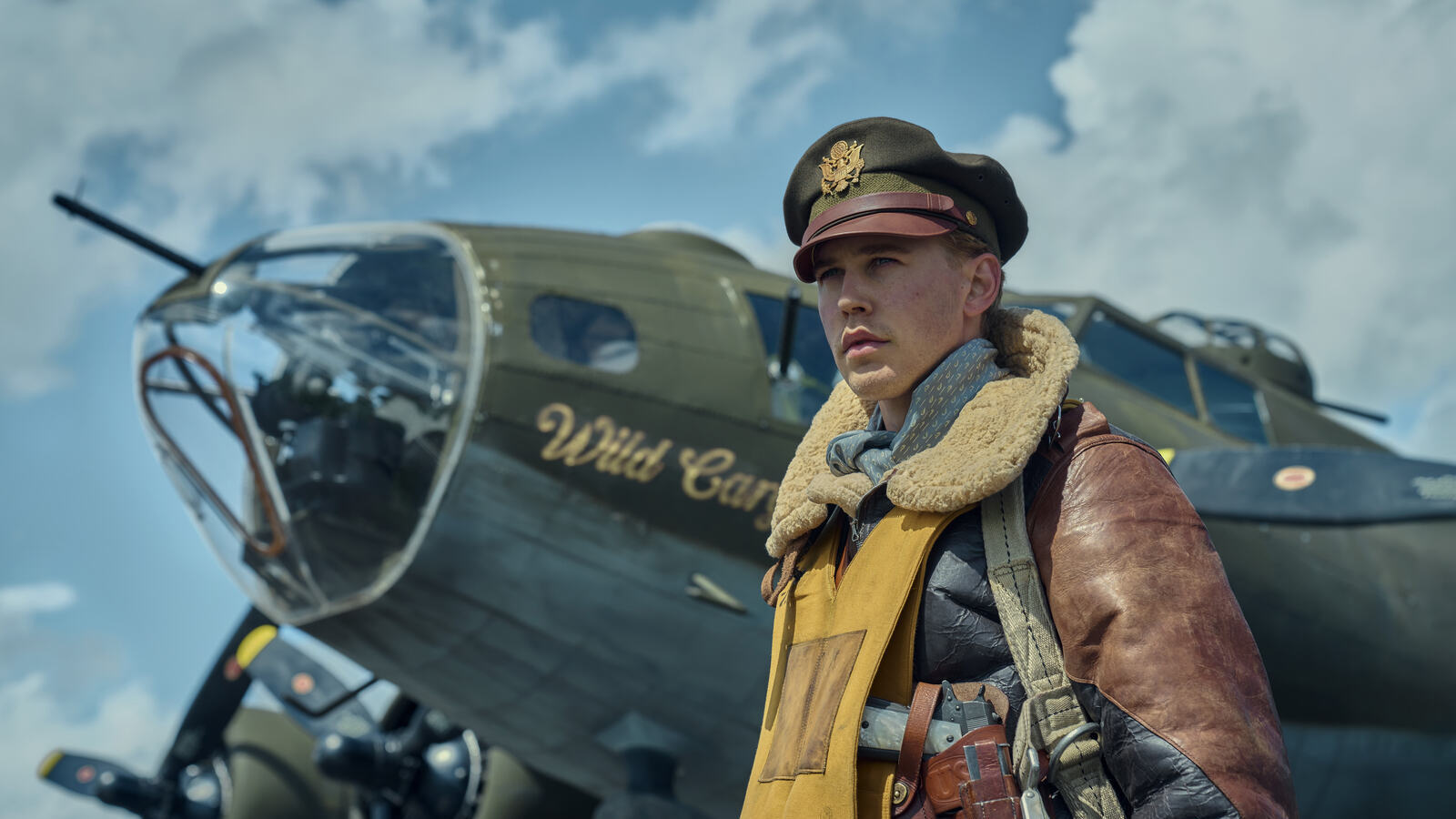
Masters of the Air takes place over the skies of Nazi-occupied Europe and at the very least doesn’t flinch from the horrific conditions faced by men in metal tubes flying five miles above ground, writes Adrian Pennington.
The third series about how the US ‘won’ the Second World War from producers Steven Spielberg and Tom Hanks (Band of Brothers, The Pacific), Masters of the Air aimed to accurately recreate the Allied bombing missions with authenticity down to the weather conditions and topography the crews would have encountered in 1943.
“We started by studying all the diaries of the pilots flying the B17 Flying Fortress at the time,” explained Phil Arntz the show’s Aerial Director of Photography. “We then went through the script and picked the moments that required identifiable scenery in Europe.”
Arntz was working to a brief from VFX Supervisor Stephen Rosenbaum to capture high-resolution plates that would fit the geographical area of the actual missions and in a way that production could use across the series. Principal photography of the aerial scenes could only begin once...
You are not signed in
Only registered users can read the rest of this article.
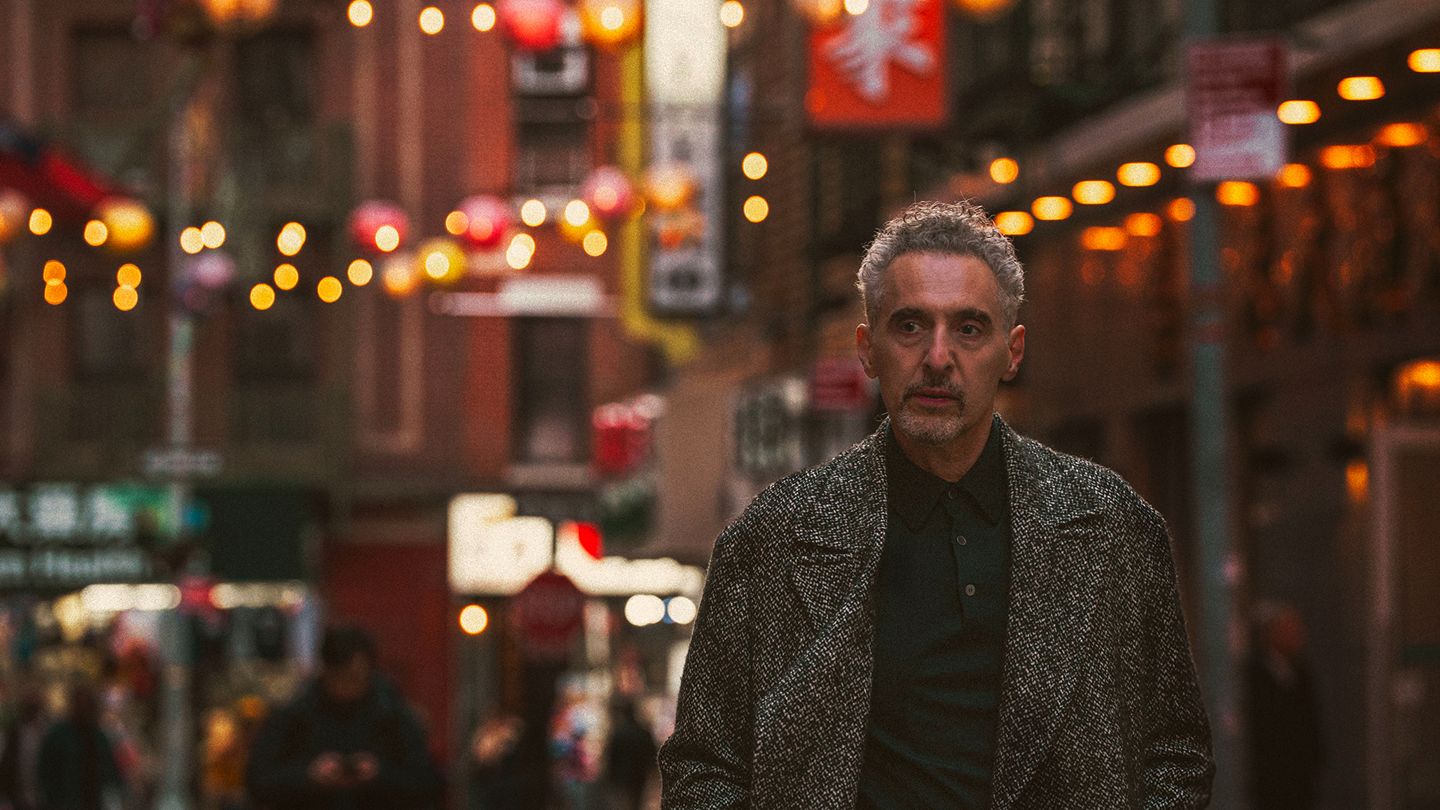
Behind the scenes: The Only Living Pickpocket in New York
Cinematographer Sam Levy crafts a modern noir rooted in the city’s streets and subway.
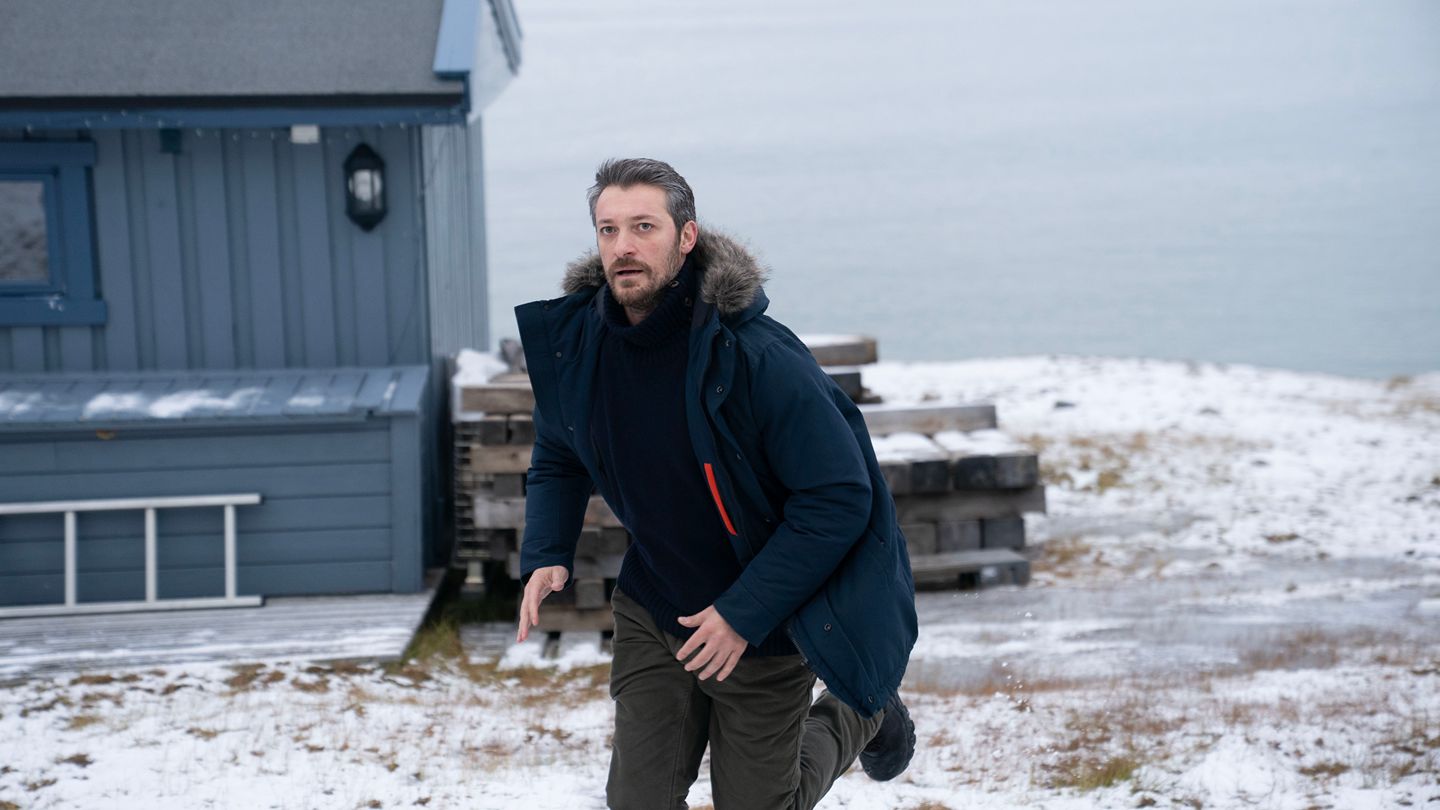
Behind the scenes: BBC’s Vigil
To embrace the stark, crystalline reality of the Arctic, Blazing Griffin’s Gareth Bishop leveraged colour compression techniques, LED volumes, and plates captured on an archipelago in the Arctic Ocean.

Behind the scenes: The United Stand
Greg Hartley, Producer of The United Stand, reveals how the fan channel built a studio workflow to provide live football coverage to 1.83 billion viewers.
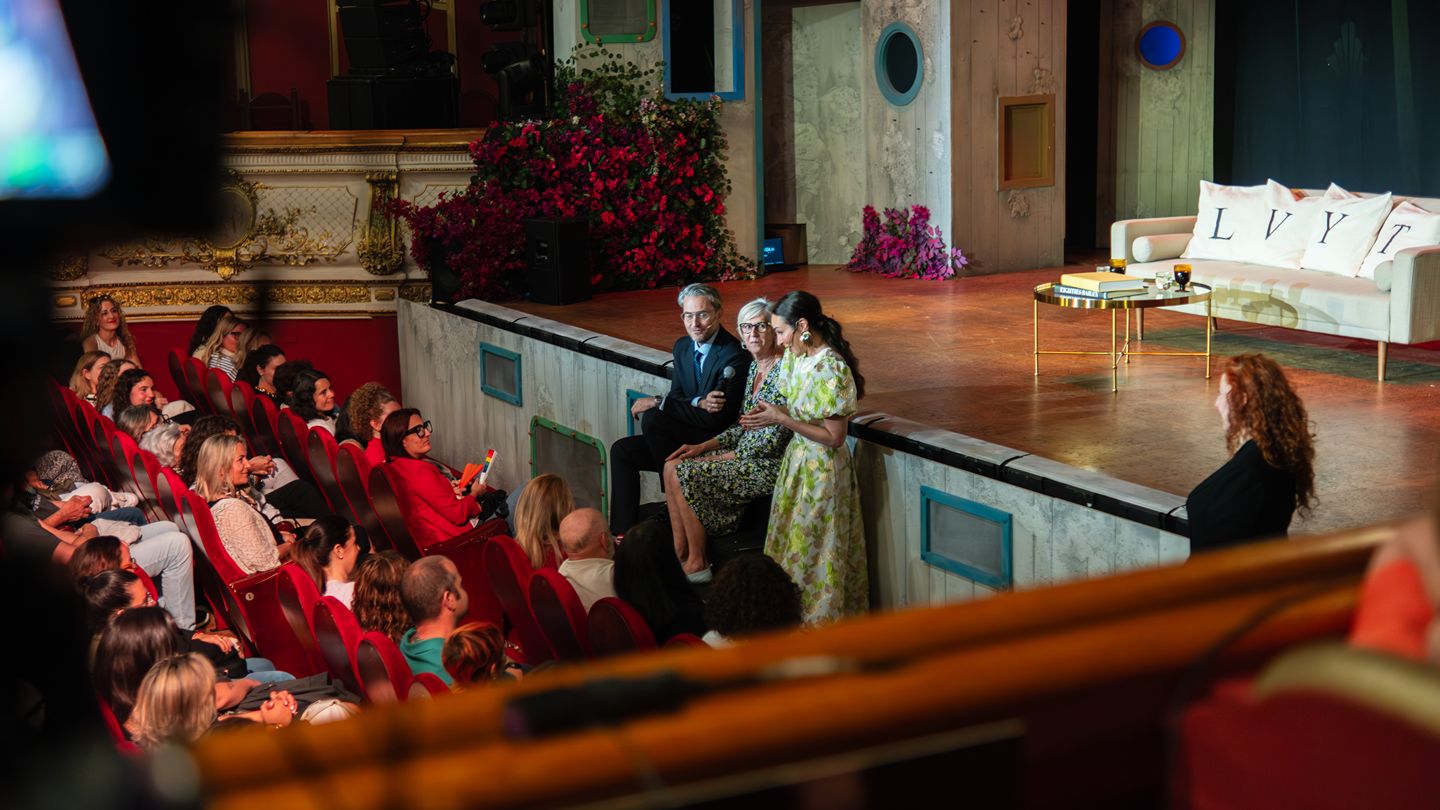
Behind the scenes: La Vida y Tal
Jaleo Producciones developed a compact broadcast-style workflow to capture Ana Milán’s improvised performances across theatres in Madrid, Bilbao, Valencia, and Seville, while moving each episode quickly from stage to post-production.
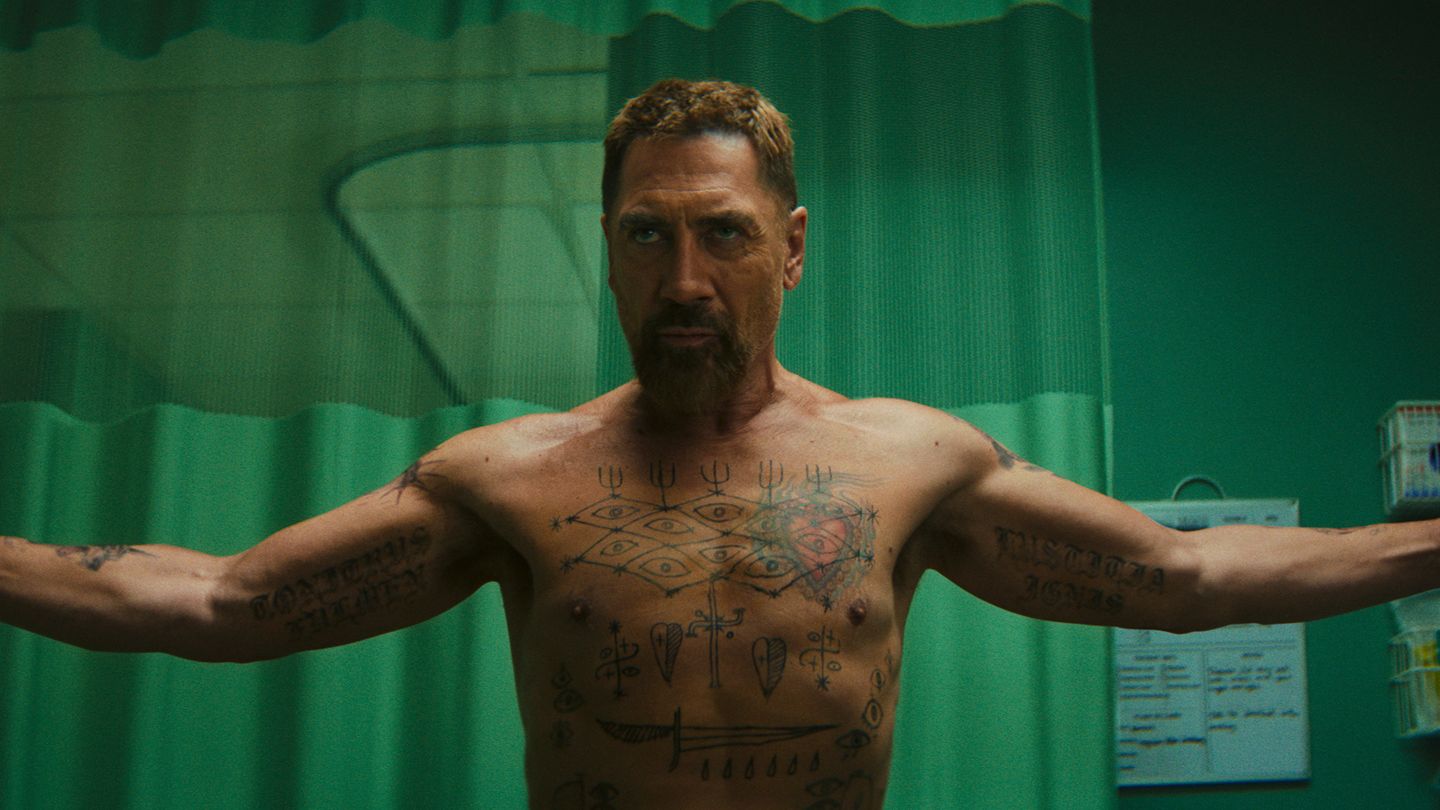
Behind the Scenes: Cape Fear
It’s a jungle out there. Celiana Cárdenas, Director of Photography, explains how the series evoked the oppressive and unsettling atmosphere of a stalker hunting its prey in Apple TV’s pulp fiction.