The cinematographers behind Netflix sci-fi series explain why the sun was such an important element in the show’s VR game world and how they played the story’s fictional science straight down the line.
ttempting to do for science fiction what Game of Thrones did for fantasy, Netflix series 3 Body Problem mixes a large cast and a constellation of locations with shifting timelines, astrophysics and alien invaders.
Game of Thrones’ showrunners David Benioff and D.B. Weiss were reportedly handed $20m an episode – bigger than GoT’s budget - to adapt the sci-fi novels of Chinese writer Liu Cixin into eight parts of what is hoped will be the first of several seasons.
Like events in Westeros, the arc of the story is one of impending threat centred around...
You are not signed in
Only registered users can read the rest of this article.
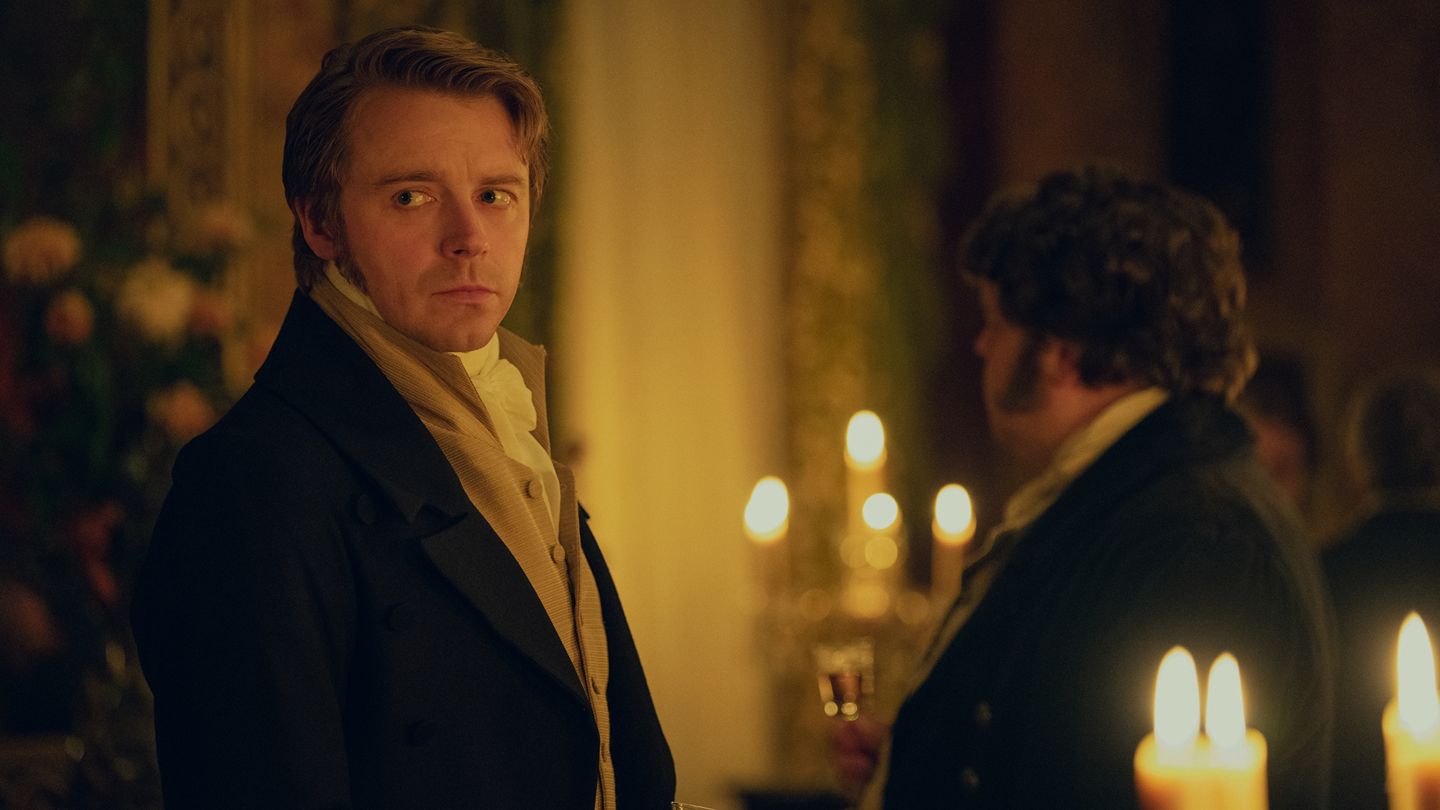
Behind the scenes: Pride and Prejudice
The new Netflix version of Jane Austen’s satirical novel Pride and Prejudice, first published in 1813, debuts at the beginning of December.
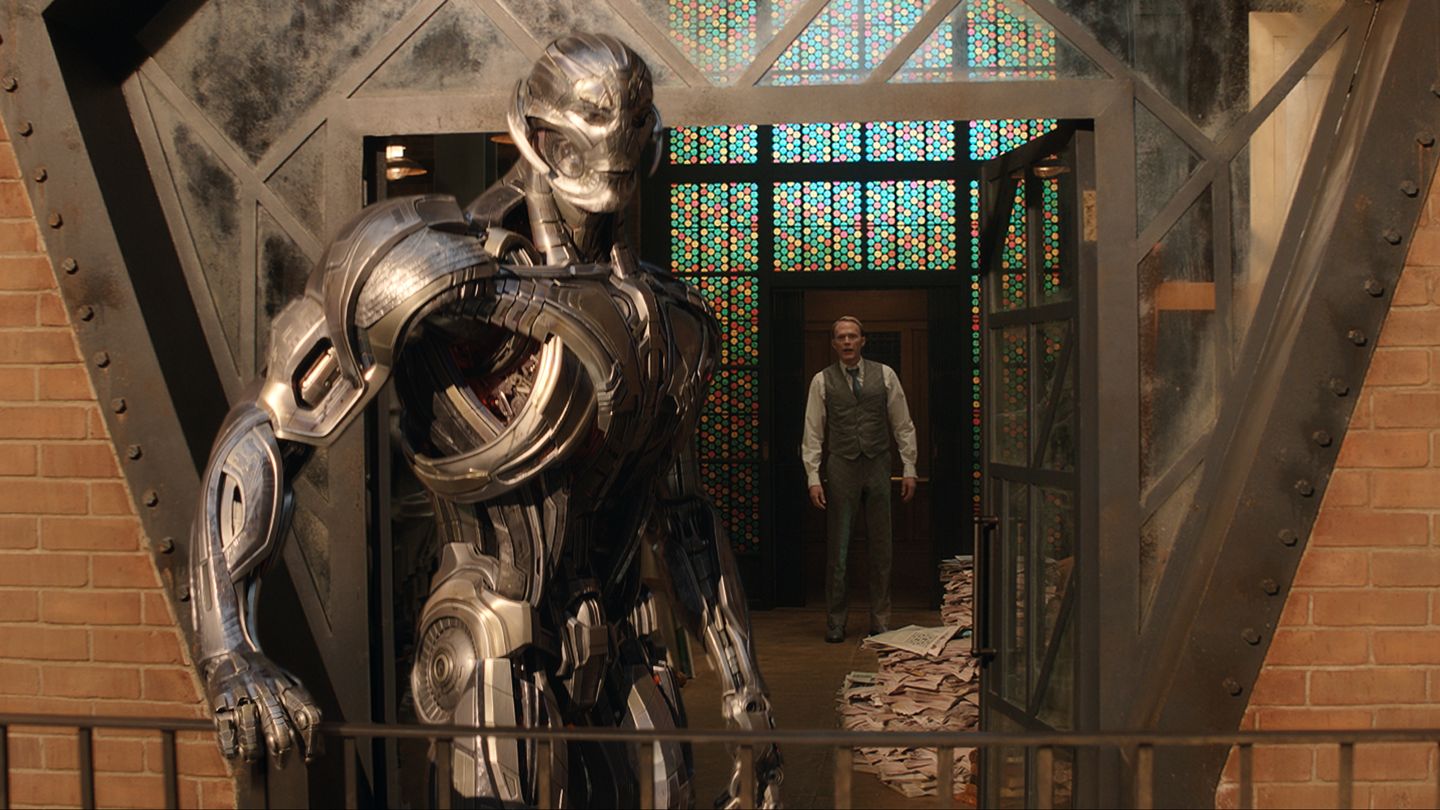
Behind the scenes: VisionQuest
Square lens flares, VFX, and LED volumes came together to create one of Marvel’s most thoughtful and philosophical shows – VisionQuest. Cinematographer Christopher Ross, BSC, sits down with IBC365 to reveal more.

Behind the scenes: Wild Horse Nine
Martin McDonagh writes specifically for places and characters that inspire him, and Easter Island could not simply be recreated elsewhere, DoP Ben Davis explains.
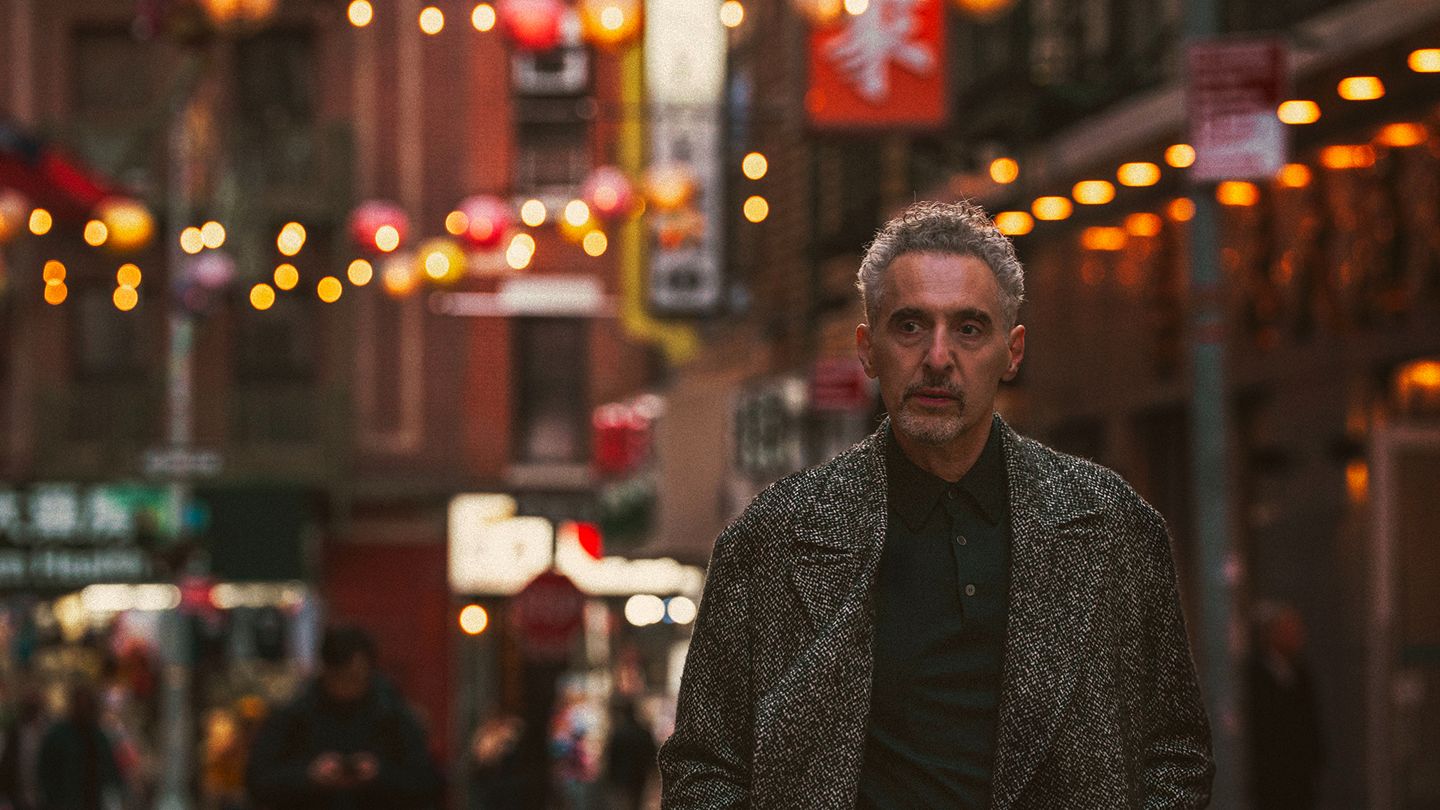
Behind the scenes: The Only Living Pickpocket in New York
Cinematographer Sam Levy crafts a modern noir rooted in the city’s streets and subway.
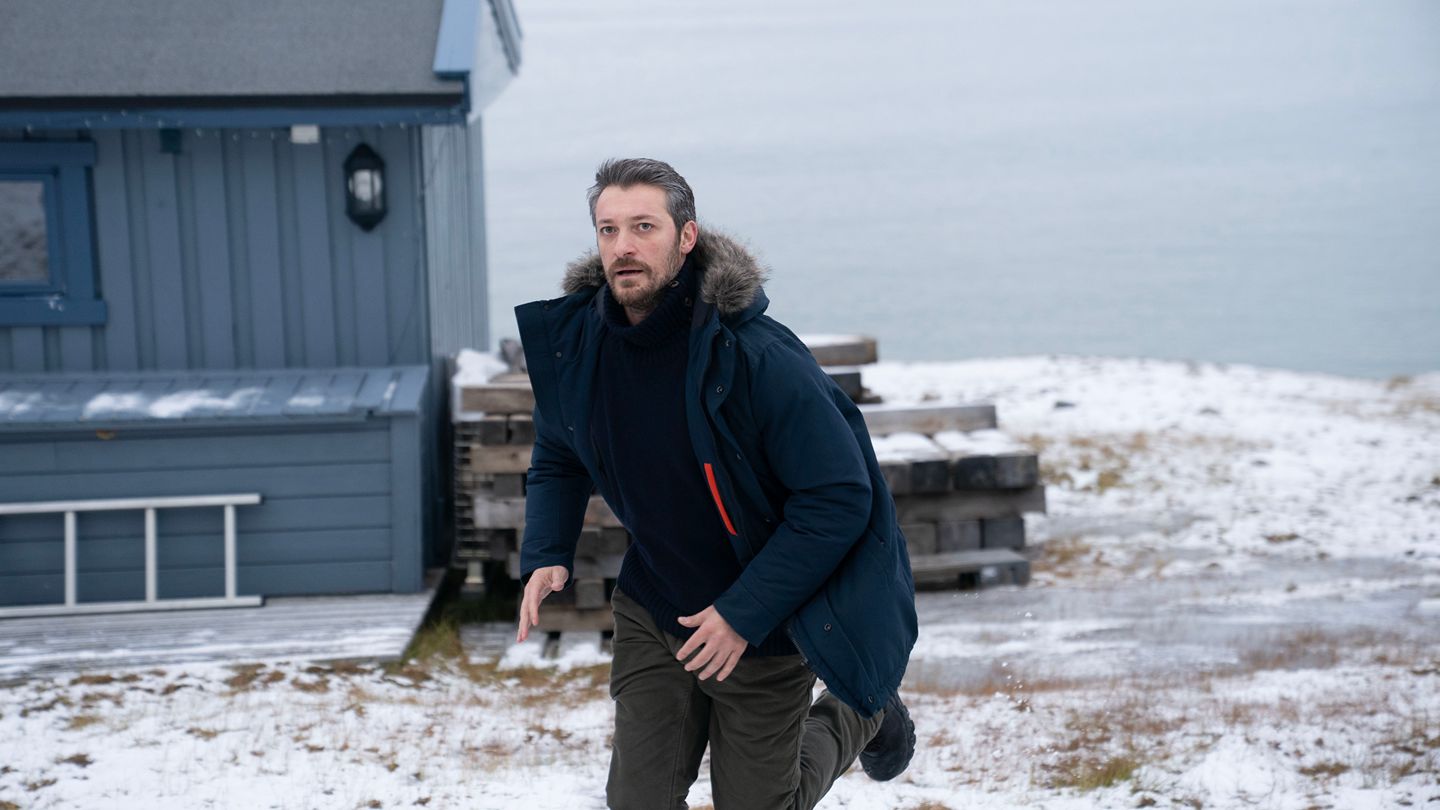
Behind the scenes: BBC’s Vigil
To embrace the stark, crystalline reality of the Arctic, Blazing Griffin’s Gareth Bishop leveraged colour compression techniques, LED volumes, and plates captured on an archipelago in the Arctic Ocean.