
“Industrial scale theft” of video services, especially live sport, is in the ascendance, according to a new report by Enders Analysis.
The Enders report concludes that big tech is “unwilling to address the problem” of online piracy, citing companies such as Microsoft, Google, Amazon and Meta.

The report says that big tech is also failing to engage decisively with content owners to shore up security architecture, while simultaneously steering consumers to illegal services in the other parts of their businesses.
It says that a combination of technology issues is at the heart of the problem, with previously robust security architecture through Digital Rights Management (DRM) now weakened and compromised, providing easier access for theft of original video sources.
The authors argue the architecture of the DRM is largely unchanged, and due to a lack of maintenance by the big tech companies, DRM players such as Microsoft's PlayReady and Google's Widevine "are now compromised across various security levels".
At the same time, distribution and discovery of illegal IPTV content services through legitimate channels and low-cost devices, means consumers can access thousands of live channels and complete on-demand libraries, all for £5 a month, and often via a branded USB stick, for another £25.
The Amazon Fire Stick is a major cause of the problem, according to the report. As well as allowing viewers to watch programmes from legitimate services including the BBC iPlayer and Netflix, they are also being used to access illegal streams, particularly of live sport.
Sky and DAZN are among the companies that have warned of soaring rates of TV piracy in the UK and Europe, which executives say is undermining their ability to buy expensive rights to show sports such as Premier League football. The Enders report says that piracy is “providing a direct threat to profitability for broadcasters and streamers.”
The report, authored by Gareth Sutcliffe and Ollie Meir, says that a complete overhaul of the technology architecture, licensing, and support model is needed.
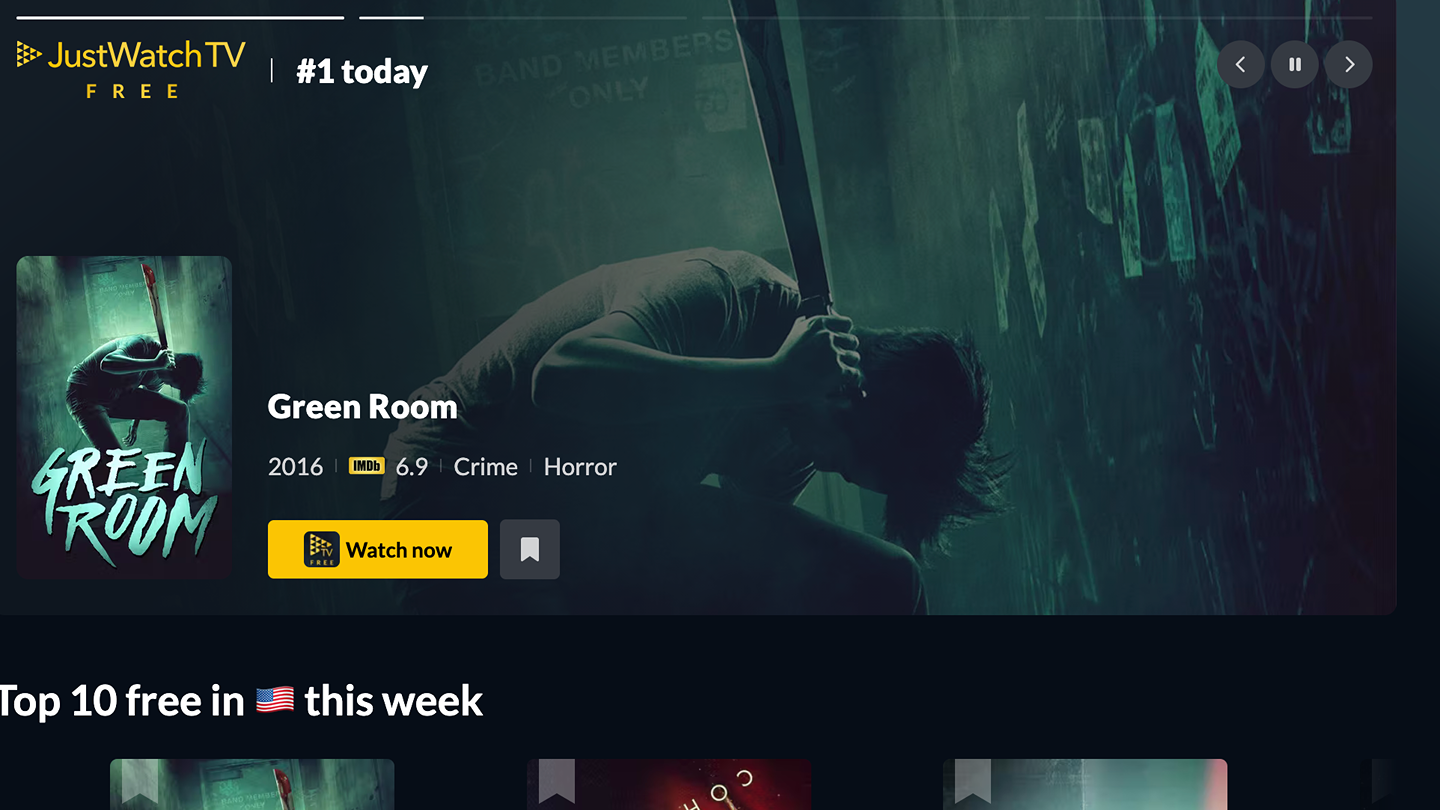
JustWatch to launch own streaming service
Reports say that JustWatch Group, which operates the world’s largest streaming guide, will launch its own streaming service, called JustWatch TV, in October.
.jpg)
CBC/Radio Canada picks Dalet
CBC/Radio-Canada has selected Dalet to modernise its news operations across Canada.
 (1).jpg)
Evergent wins API Gold from TM Forum
Evergent has achieved Gold status in TM Forum’s Open API Conformance Certification programme, advancing from the Silver status earned in the first quarter of 2026.

Dutch telco Odido picks Synamedia Go
Odido, a telecoms operator in the Netherlands, has selected Synamedia Go to support its TV streaming service.
Zixi extends integration with TAG Video Systems
Zixi and TAG Video Systems have announced an extended integration that enables Zixi’s live video delivery and orchestration software platform to leverage TAG’s content matching technology.

 (1).jpg)
.jpg)
.jpg)