Denmark is set to ban access to social media for anyone aged under 15.
The move follows a call last month from Prime Minister Mette Frederiksen for restrictions on children's use of social media in her opening speech to Parliament, due to concerns about the mental health of young people today.
A majority of parties in the Danish parliament have now said they will support the plan.

If implemented, the social media ban would be one of the most far-reaching yet by a European Union government.
It comes amid growing concern about the use of social media among teens and younger children.
Led by the Ministry for Digitalisation, the move would set an age limit for access to social media but give parents the right to allow their children to access social media from the age of 13.
"As one of the first countries in the EU, Denmark is now taking a groundbreaking step towards introducing age limits on social media," said the country's Ministry for Digitalisation in a statement. "This is done to protect children and young people in the digital world."
"As a starting point, children under the age of 15 should not have access to platforms that may expose them to harmful content or harmful features," the statement said.
The ministry did not specify which social media platforms are affected or how the ban will be enforced.
Denmark is following the example of Australia, which has implemented the world’s first ban on social media for children, setting the minimum age at 16. That ban goes into effect December 10, 2025, and will affect Facebook, Instagram, Snapchat, Threads, TikTok, X, YouTube, Reddit, and Kick.
“Children should not be left alone in a digital world where harmful content and commercial interests are too much a part of shaping their everyday lives and childhoods," the Danish ministry said.
"Children and young people have their sleep disrupted, lose their peace and concentration, and experience increasing pressure from digital relationships where adults are not always present," it said. "This is a development that no parent, teacher or educator can stop alone."
More than one in 10 internet users have watched drama episodes lasting 10 minutes or less on social media, according to new research from Ampere Analysis. Discover more here.
.jpg)
EU Sovereign AI: Collaboration crucial to AI and cloud success
Collaboration and innovation are crucial ingredients for establishing a sovereign cloud and AI ecosystem within Europe to reduce dependency on US hyperscalers, concluded an SMPTE panel at IBC2026.
.jpg)
AI gender gap exposed: Bias threatens jobs, innovation, and democracy
In an IBC panel, a team of experts from SVG, Women in Virtual Production, and Women in Technology Hollywood asked the searing ethical and feminist questions implicit in the rise of AI.
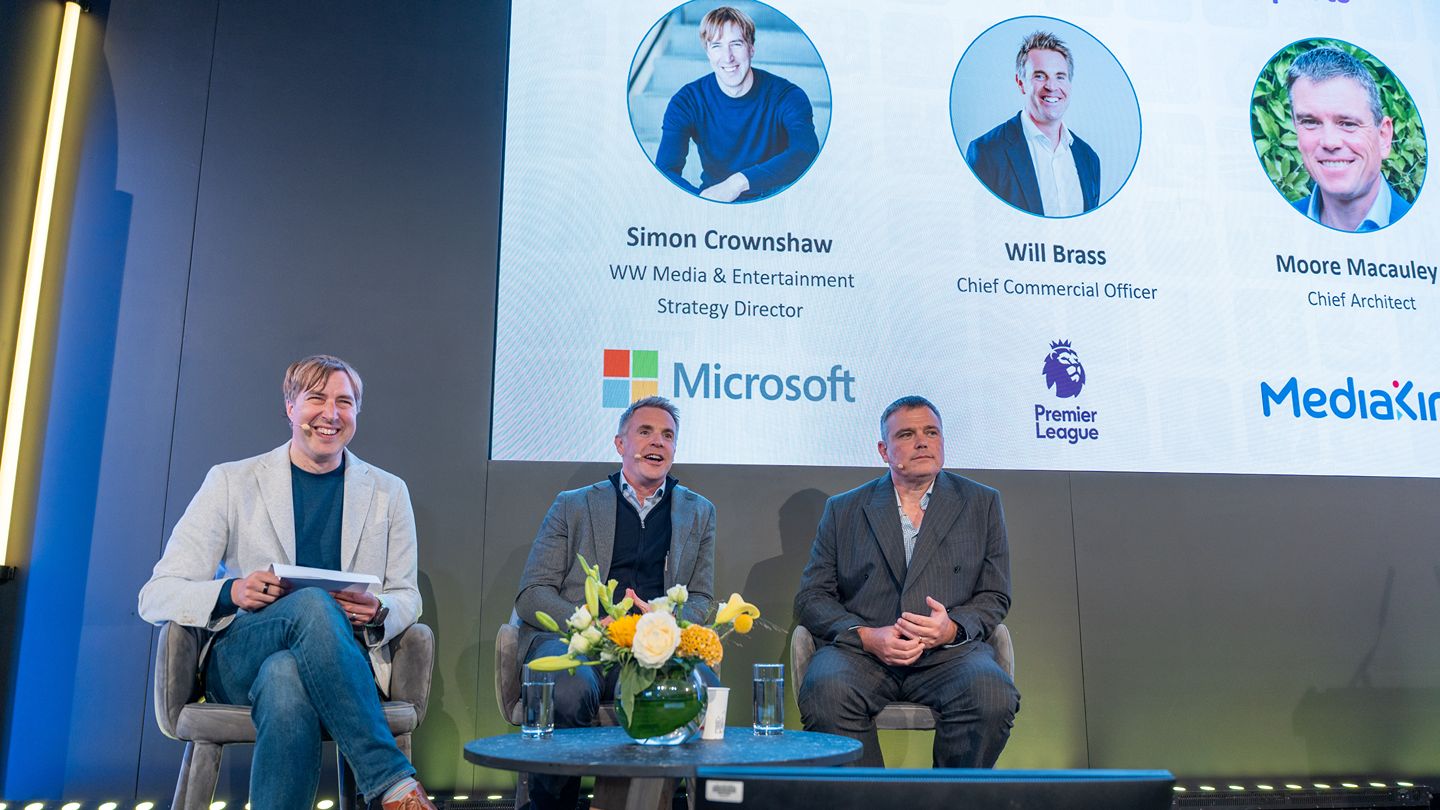
AI-personalised live sports: Content for the next generation
At IBC2026 conference, Premier League’s Will Brass laid out his vision for the future of live sports, AI, and personalised recommendations.
.jpg)
IBC2026: What to look out for on Day 3
As day three of IBC2026 begins, the expert insights are in full flow, revealing groundbreaking technology demonstrations and discussions across the industry.
.jpg)
RTS Mini MBA expands access with flexible learning options
The Royal Television Society is expanding access to its Mini MBA in TV & Streaming Media, with standalone modules set to launch soon alongside the full programme and individual stream options already available.
.jpg)