Leading European broadcasters have called on the European Union to toughen regulation of smart TVs and virtual assistants powered by tech firms such as Google, Amazon, Apple, and Samsung.
The European broadcasters urged the European Commission to designate connected TVs and virtual assistants as gatekeepers under the EU's Digital Markets Act in a letter to Teresa Ribera, Executive Vice-President for a Clean, Just and Competitive Transition and Commissioner for Competition at the European Commission.
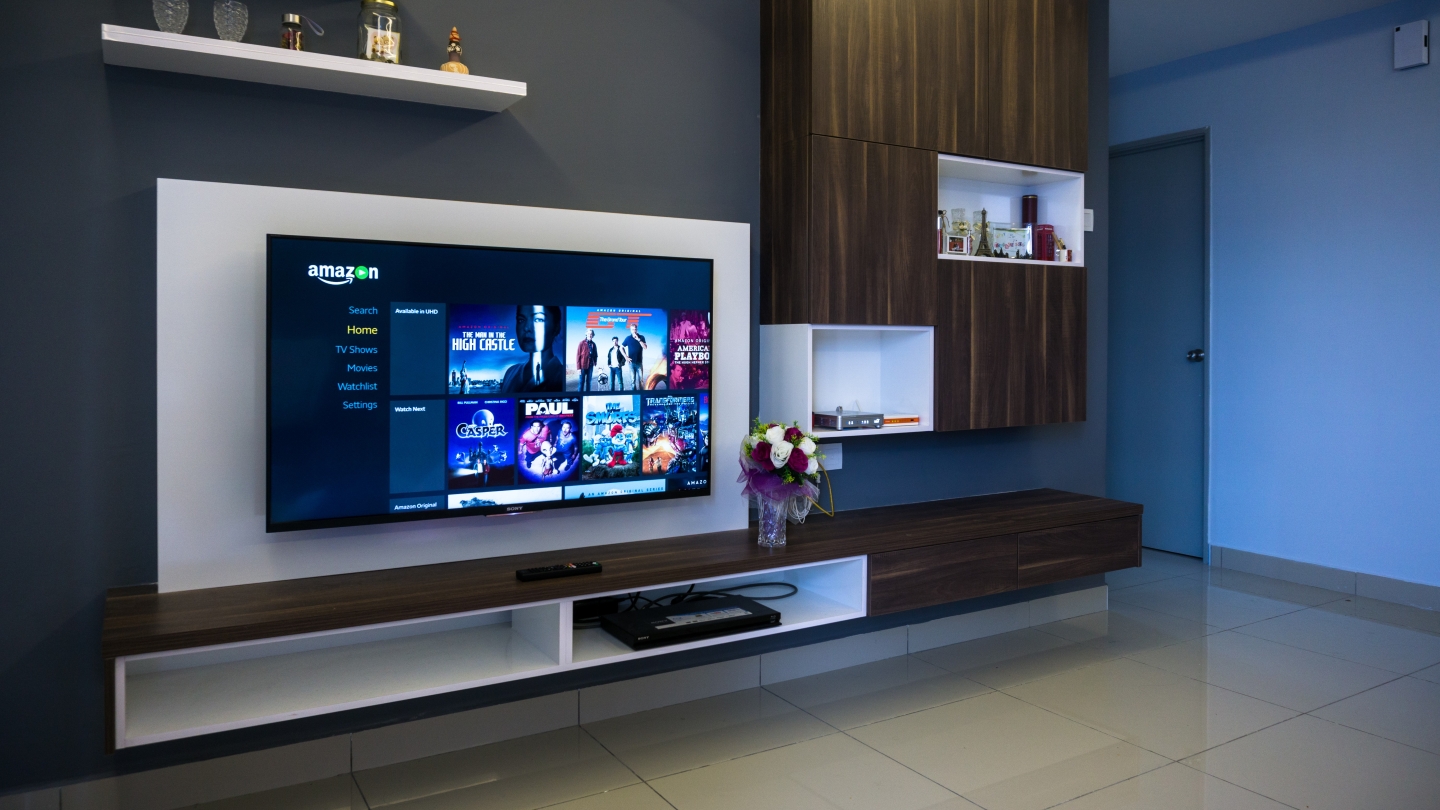
In the letter, the broadcasters warned of the growing influence of leading market players, called for investigations, broader definitions, and early action to protect competition and consumer choice.
The Digital Markets Act (DMA) sets out obligations intended to curb the power of major tech companies, foster competition, and expand consumer choice.
The letter was signed by organisations including the Association of Commercial Television and Video on Demand Services in Europe (ACT), the Association of European Radios (AER), and the European Broadcasting Union (EBU).
It stated that Android TV increased its market share from 16% to 23% from 2019 to 2024, while Amazon Fire OS’s market share rose from 5% to 12% in the same period, and that Samsung’s Tizen OS maintained a 24% market share.
The broadcasters also voiced concerns about virtual assistants, the most well-known of which are Amazon's Alexa and Apple's Siri.
“A limited number of operators are therefore gaining a growing ability to shape outcomes for millions of users and businesses by controlling access to audiences and content distribution,” the broadcasters wrote.
“With the future viability of many European TV broadcasters at stake, and with millions of EU businesses and consumers relying on CTVs [connected TVs] to promote and access an expanding range of content via TV applications, it is crucial that the commission designate major TV operating systems as gatekeepers and ensure adequate oversight to guarantee fairness and contestability.”
François Lavoir, Senior EU Policy Adviser at the EBU, said: “The DMA must remain forward-looking. Services such as connected TVs and virtual assistants are already shaping how audiences access content, and they should be subject to appropriate oversight before harmful practices take hold.”
According to a new report from UK audience measurement organisation Barb, the most-used TV navigation platforms in 2025 were Freeview, Sky, and smart TV electronic programme guides (EPGs), with YouTube coming in fourth. Discover more here.
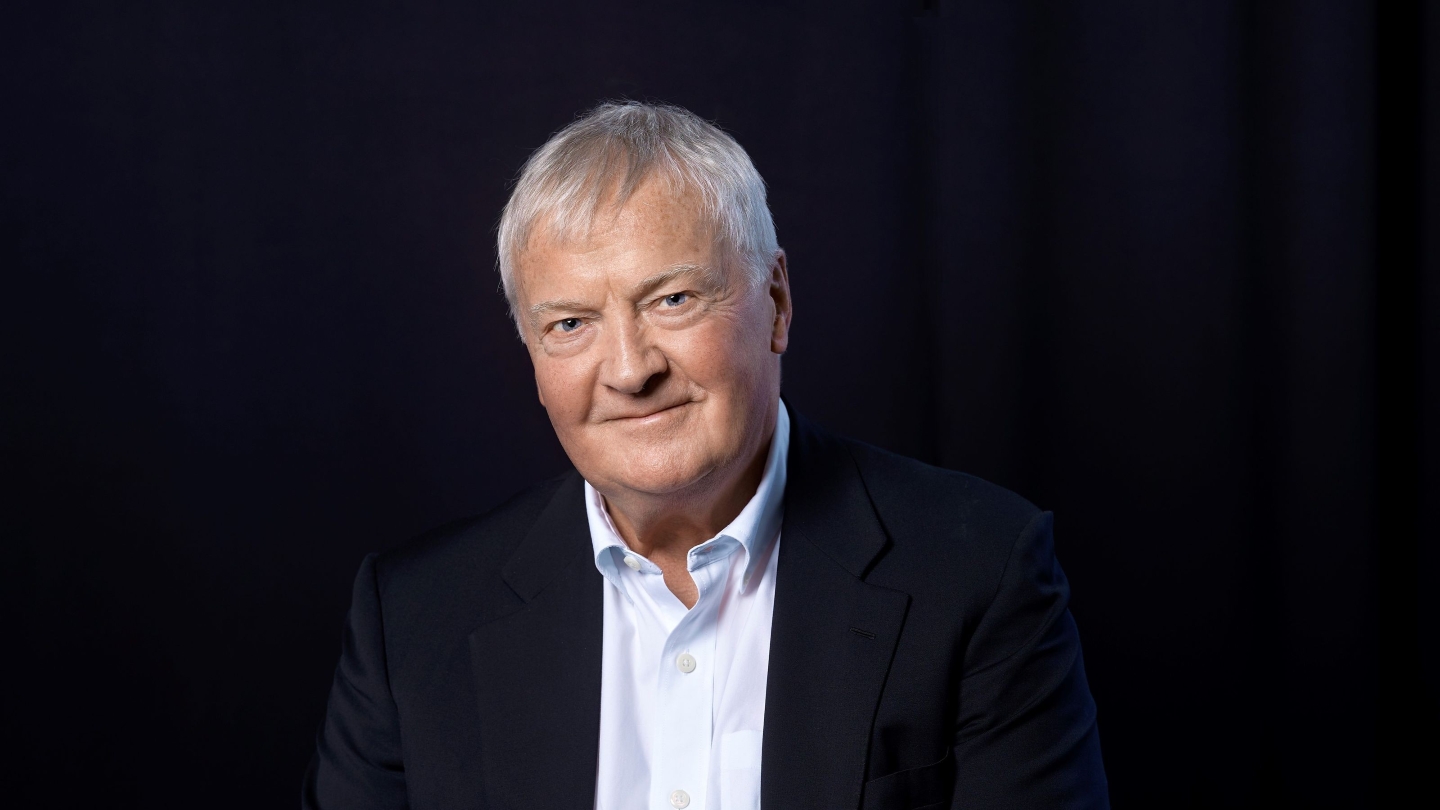
Arqiva appoints Simon Duffy as Chair
Broadcast infrastructure firm Arqiva has appointed former NTL CEO and Orange CFO Simon Duffy as Chair of its Board.

UK MPs set out BBC funding plan, warning of ‘fork in the road’ moment
The BBC should explore new ways to raise revenue, make better use of its buildings to support the creator economy, and spend more wisely when competing for programming, according to a group of UK MPs.

Ynon Kreiz named as co-CEO of combined Paramount-WBD as judge approves deal
A California judge has formally approved Paramount Skydance’s settlement with California and other states, clearing the final hurdle required for it to close its $110bn acquisition of Warner Bros. Discovery (WBD).
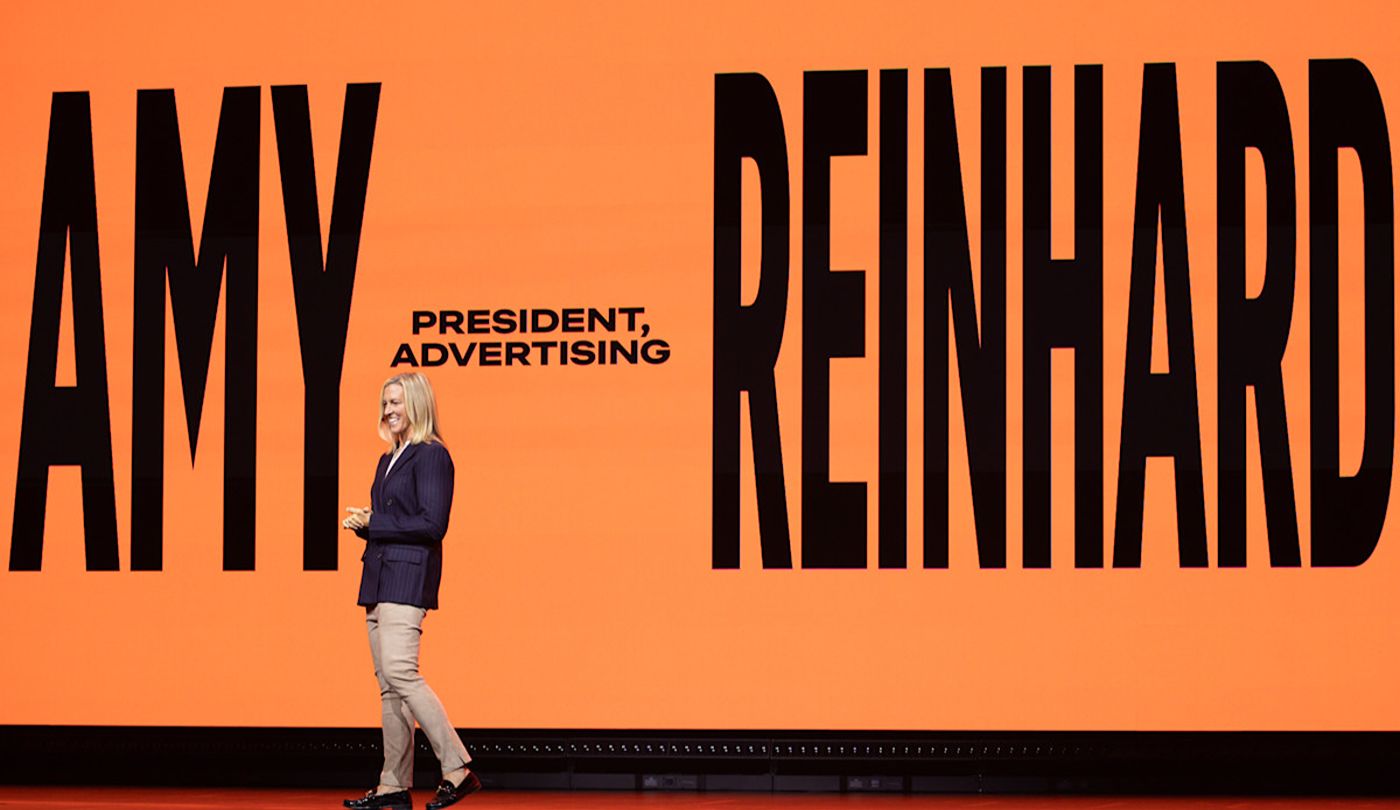
Netflix to expand ad supported plan in Europe
Netflix’s ad supported plan is to expand to nine new European countries next year.
BBC Studios hires Sally Habbershaw as President of Global Distribution
BBC Studios has appointed Sally Habbershaw as President of Global Distribution, responsible for leading the company’s worldwide content sales business.