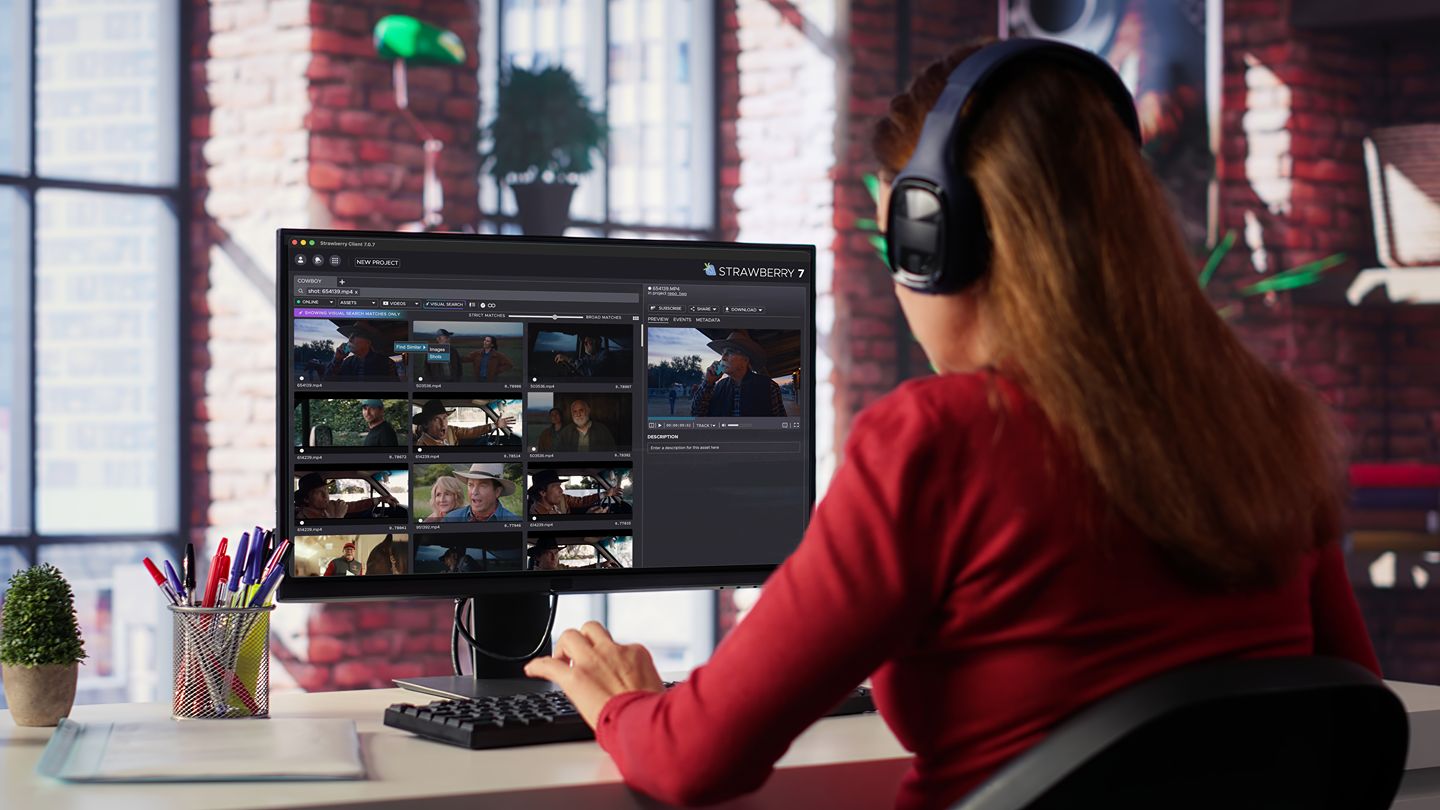

The cloud continues to revolutionise the media and broadcast industry, offering unprecedented opportunities in areas such as scalable storage, content management and distribution, digital workflows, and real-time collaboration.
But for as many problems as the cloud solves for M&E companies, it also creates new challenges that need to be overcome.
For example, cloud platforms can provide geographically distributed data centers that enable media companies to deliver content more efficiently to global audiences. But this, in turn, requires a high performance edge caching and content delivery solution that can handle peaks in demand, reducing latency and improving the streaming experience.
One of the strengths of a cloud storage solution is that it can offer a secure, scalable, and cost-effective option for storing vast amounts of media content. Media assets stored in the cloud can then be organised, tagged, and retrieved easily from anywhere and at any time, empowering broadcasters to efficiently manage their libraries and enable faster content discovery.
With the addition of AI in the cloud, broadcasters and media organisations can enhance content recommendation, automate metadata tagging, as well as enable real-time video analysis and personalised advertising, enhancing user engagement and monetisation.
But…
You are not signed in
Only registered users can read the rest of this article.
.jpg)
Innovation Awards: Collaboration and open standards triumph
The winners of the IBC Innovation Awards were revealed at an event at the Amsterdam RAI, honouring collaborative projects tackling some of the industry's biggest challenges.
.jpg)
IBC2026: What to look out for on Day 4
As the final day of IBC2026 draws near, visitors seize the last opportunity of the year to network, solidify partnerships, and soak up the last of the available innovative learnings across IBC2025’s 14 halls
.jpg)
IBC Technical Papers 2026: Complete list of tech papers
The IBC Technical Papers Programme features original, novel research on solutions to real-world problems faced by the international broadcast and digital media industry.
.jpg)
IBC2026: What to look out for on Day 3
As day three of IBC2026 begins, the expert insights are in full flow, revealing groundbreaking technology demonstrations and discussions across the industry.
 SR.jpg)
The end of MrBeast? Why 100 micro‑influencers are more effective than one mega‑influencer
The number one creator in the world is MrBeast, right? Wrong. It is Blair Imani who tops the 100 Creators on the Planet, according to the Affinity Score unveiled exclusively at IBC.
.jpg)
.jpg)