
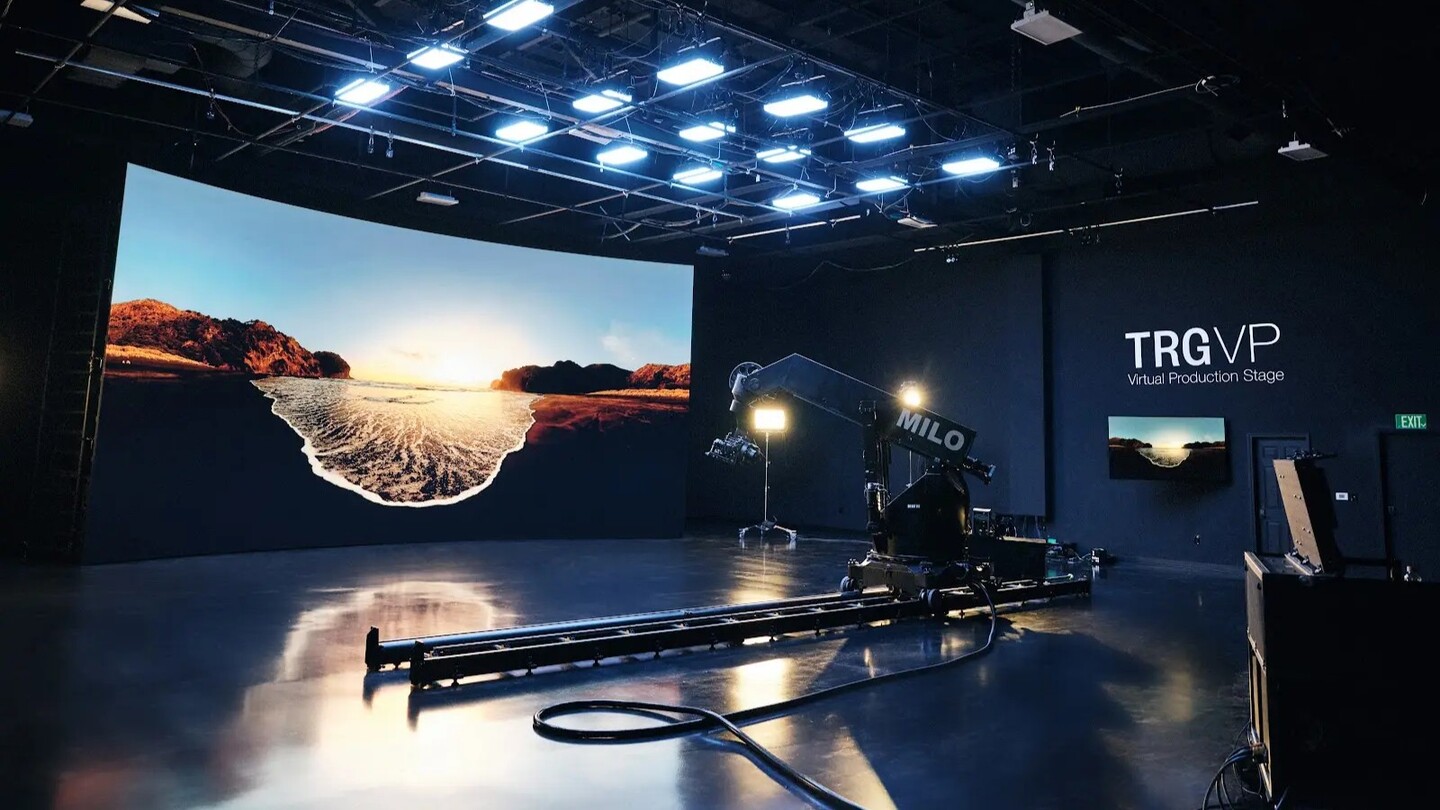
More realistic virtual and graphical environments, increased personalisation, and new opportunities for interactivity will be among the beneficiaries of combining XR and AI, writes David Davies.
Amidst all the excitement around the potential of artificial intelligence (AI) and machine learning (ML) to streamline broadcast processes from localisation to editing, there is another – potentially far more ambitious – area of development that is exciting technology developers and content creators: the transformational impact it could have on extended reality (XR) applications in media and entertainment...
You are not signed in
Only registered users can read the rest of this article.
 (1).jpg)
Content Everywhere: AI, discovery, and the battle for growth
The rules of competition are changing. The streaming industry’s focus is moving towards understanding audiences, keeping viewers engaged, and becoming more sustainable.

Camerimage: AI is threatening the DP’s craft
Films shot traditionally and on film remain the art form’s high bar, but AI is gradually undermining the cinematographer’s position as the author of the image.
.jpeg)
ProAV convergence: Control rooms to experience centres
Broadcast and proAV technologies are converging, creating flexible experience centres that can serve remote and on-demand audiences from shared production infrastructure.
Beyond the broadcast: Creating modern, multi-platform experiences
As audiences move between television, mobile, social, and immersive platforms, media organisations must create connected experiences that expand engagement without multiplying production costs.
.jpg)
Streaming’s discovery problem: Who will fix viewing fragmentation?
As the number of services and viewing options has grown, audiences have more choice than ever. Yet, for viewers, finding something to watch is often still an exercise in frustration.
.jpg)


.jpg)