January has only just come to an end, but we are already looking ahead to the next IBC, which takes place as usual at the Amsterdam RAI in September. In the meantime, Content Everywhere companies are polishing their crystal balls and making predictions about what might lie ahead for the video and streaming industry during the next 12 months.
A number of themes have emerged, one of which, of course, is AI. Here, it's interesting to note how conversations about AI are evolving beyond the hype of recent years, and towards more practical applications of the technology.
AI's growing role
Some commentators are still keen to play down the impact that AI will have, at least in the short term. For instance, Martins Magone, Chief Technical Officer (CTO) at Veset, notes that while many had expected AI to quickly replace broadcast functions that are currently undertaken by people using hardware, software, and cloud solutions, "that clearly hasn't happened".
"While I don't think anyone doubts that AI will have a significant impact in the long term, that is a long way off. The practical limitations of AI are hard to overcome, and the models we have today are nowhere near advanced enough to replace the intelligence, cognitive ability, and common sense that humans possess," Magone says. "What I do expect to see in 2026 is the broadcast industry experiencing a kind of expectation versus reality moment where the realisation dawns that AI's capabilities fall far short of expectations."

Kai-Christian Borchers, Managing Director of 3 Screen Solutions (3SS), also predicts that AI strategies "will have a reality check".
"I think in 2026 there will be a general awakening about the real-world possibilities of AI, including scalability,” he comments. “Many of the assumptions we make today about AI and its underlying economics focus on the knowledge we’ve gained from proofs of concept. AI will properly be put to the test in 2026. It will be a shakedown, and vapourware AI use cases will quickly be exposed.”
Borchers adds: "Any provider with services that rely on data, recommendation, and personalisation – all AI-intensive activities – will face challenges. When real services begin to be deployed to consumers, AI's true cost base will unfold and become apparent."
One of the more positive outlooks for AI this year comes from Michael Lantz, CEO of Accedo Group, who declares that 2026 "will mark the start of the agentic AI revolution that over the coming years will transform how video services operate".

Lantz expects video services to begin to deploy AI agents "that will help them understand, engage, and serve their audiences much more efficiently than has ever been possible before. From an operational perspective, AI agents will in time be able to carry out a significant proportion of the manual activity needed to operate a video service, enabling resources to be redistributed to different areas".
When asked about the source of their optimism in the face of this expected revolution, several executives cite the benefits they project AI will bring. Lukas Navickas, Streaming Expert at servers.com, says AI technology "continues to cause a ripple effect across media and entertainment." He also observes that new AI tools "are reshaping the industry in both creative and operational ways, from automated editing and speech-to-text transcription to advanced recommendation services".
However, according to Navickas, this news is not all sunshine and rainbows. He cautions: "The surge in AI usage – and its shift into the mainstream – is prompting media organisations to rethink their infrastructure strategies. What is more important is the knock-on impact this demand is having on underlying technology infrastructures. The tighter availability of advanced computing costs and efficiency pressures will need to be carefully managed by the industry as AI adoption accelerates."

Oliver Lietz, CEO of nanocosmos, comments that AI is adding value for real-time video at a global scale and is becoming embedded directly into live workflows, as it begins "powering real-time captions, translation, analytics, and operational insight. These technologies are transforming interactive real-time video from niche deployments into scalable business infrastructure", he notes.
Meanwhile, Paul Pastor, Chief Business Officer for Quickplay, predicts that media companies "will shift focus from generative AI (creating content) to operational AI (managing yield). We will see the rise of connectivity points where recommendation engines, ad-tech, CMS, and analytics, to name a few, share a single brain".
Pastor adds: "AI will not replace creativity but solve the metadata mess. It will become the connective tissue that links disparate systems, deriving greater value from current assets and driving greater value by predicting exactly what a user wants/needs to see next to prevent them from viewing elsewhere or worse, cancelling."
Martin Prins, Head of Product at Media Distillery, says that as AI adoption becomes more strategic, media companies "will prioritise modular, API-first solutions that integrate seamlessly into their existing tech stacks. They want to create more value from their content without increasing their resource investments or giving up control of their systems. Moving away from monolithic platforms, businesses will increasingly demand flexible, interoperable, and easy-to-implement AI solutions that scale without locking them into rigid vendor relationships".

Prins also thinks that automation will become essential for multi-channel distribution at scale. He advises: "Streaming services and broadcasters are overcoming their hesitation about AI as they seek to maximise content ROI and do more with their video across multiple platforms. They're not seeking to replace people, but to use AI to amplify productivity by reducing repetitive, mundane tasks and freeing people up for more strategic work. As viewers expect to consume video across multiple platforms – including mobile-first services like YouTube, Instagram, and TikTok – streamers will embrace the benefits of AI and automation for repurposing content at scale.”
Tom Dvorak, Co-Founder and Chief Commercial Officer at XroadMedia, says AI has become a critical enabler across the entire value chain. He states: "As regulations and industry standards mature, the conversation around AI will shift from caution to confidence, moving away from experimentation. Given the development over the last few years, this year's adoption will scale rapidly, from powering smarter discovery and personalisation to automating workflows, enriching metadata, and more. I believe that this year, AI will help the industry deliver better experiences, more efficient monetisation, and sustainable growth."
Noemie Galabru, Chief Marketing Officer (CMO) at Witbe, sees AI moving "from experimentation into everyday media operations, supporting discovery, workflows, metadata, and quality optimisation. But mission-critical environments demand AI that is transparent, auditable, and controlled. Hybrid models that combine automation with human oversight and auditable logic will dominate, because trust will matter as much as performance".
Monetisation: business models, content, and customer retention
Another theme predicted to become even more influential in 2026 is monetisation, specifically aspects such as how to retain subscribers and viewers, better monetise streaming services, and adapt current content strategies and business models to meet changes in demand.

Navickas remarks that the battle to arrest declining viewership among traditional broadcasters and production houses is intensifying.
"While early streaming growth was driven by rapid audience expansion – particularly during the Covid-19 pandemic – today's landscape is defined by fierce competition for finite viewer attention. This is fuelling high-profile acquisition attempts (e.g. Netflix and Warner Bros. Discovery) as platforms aim to increase their market share. These efforts are likely to continue this year as platforms look to scale and retain their audiences in a market that is becoming increasingly competitive," he says.
André Rosado, Head of Product at AgileTV, highlights a couple of trends that he says suggest a future "where television is no longer defined by channels or apps, but by intelligent, adaptive systems designed to deliver scale, resilience, and trust in an increasingly complex video landscape. As the television and streaming industry enters a more mature phase, 2026 will be defined less by disruption and more by execution. Streaming is no longer the challenger: it is the system. With scale largely achieved, the industry's focus is shifting toward sustainability, operational efficiency, and experience quality".
Rosado sees TV platforms evolving into modular, adaptive ecosystems, noting that the "era of monolithic TVaaS platforms is coming to an end. Operators are increasingly assembling modular ecosystems that blend live TV, SVOD, FAST channels, short-form, and local content within a single, flexible framework. This approach allows platforms to adapt quickly to new content formats and business models, supporting convergence without adding operational complexity".

He also thinks that personalisation will no longer sit at the edge of the TV experience in 2026. "Entire interfaces will adapt dynamically based on context – user behaviour, device, time of day, and location. AI-driven home screens will evolve into real-time 'attention hubs', while automated metadata enrichment and content orchestration reshape how discovery and curation work at scale."
Peter Docherty, Co-Founder and CTO at ThinkAnalytics, has come up with a few predictions here. First, he thinks streaming and connected TV (CTV) platforms "will monetise better by activating addressable and contextual audience segments, boosting CPMs (cost per thousands) and ROAS (return on ad spend). This will be helped by improved measurement and attribution".
Second, he thinks that enriched metadata "with deep content DNA across entire content catalogues, especially local and linear content, will power a deeper understanding of the content and the viewer, enabling smarter and more effective content recommendations. This is essential to show viewers value for money/time to reduce churn".
And third, "the combination of editorial expertise, AI, A/B testing and insight analytics will become standard, driving higher engagement and lower churn through dynamic page and rail ordering", he adds.
Consumer fatigue
According to Craig Ferguson, Director of Regional Sales in Europe at Evergent, the coming year will be defined less by subscriber growth and more by how effectively platforms retain, engage and monetise the audiences they already have.
"As consumer fatigue grows and churn becomes more fluid, retention will overtake acquisition as the industry's most important target. The next year should see platforms move away from static subscription tiers toward more adaptive, data-driven monetisation models," Ferguson says.
He adds: "Viewers are beginning to expect flexibility built into the relationship from the start – from easy downgrades and pause options to pricing that reflects real usage. As services juggle bundles, ad-supported options, trials, upgrades and add-ons, success will be dependent on the ability to orchestrate entitlements, offers, and pricing in real time. AI-driven personalisation may increasingly determine when to upsell, what to bundle and how to reward loyalty, turning monetisation into an ongoing dialogue rather than a one-time decision at sign-up. Platforms that proactively help subscribers find ongoing value, rather than relying on inertia, will be better placed to build trust and long-term loyalty."

Tzvi Gerstl, Executive Vice President (EVP) of Media Technology at Synamedia, expects that we will see an "increasing number of operators leveraging their platforms to become multi-brand, multi-OpCo hubs, extending reach into new geographies, hosting third-party services, and launching event-based applications to highly targeted audiences. These 'platform-as-a-channel' models will redefine collaboration across the industry, reducing the total cost of ownership to operators".
Gerstl adds that content aggregation "remains a priority, but 2026 will mark an accelerated fusion of traditional and social media experiences. Short-form portrait content and influencer-driven media will become part of mainstream TV platforms, blurring the lines between entertainment, engagement, and community. Two-screen experiences – combining mobile interaction with main-screen viewing – will increase, driven by younger audiences seeking more active and social engagement around live events. This new environment will need simpler user experiences, transitioning away from complex content rail views and menus to more intuitive and fluid discovery experiences".
He also makes the point that applications "will become increasingly fluid, operating across a wider variety of devices and operating environments. The focus is shifting toward effortless and seamless access, with faster authentication and simpler login flows that enable users to connect to their subscribed services anytime, anywhere. As this evolves, the concept of the platform itself changes. It will become more portable, following the user, rather than being bound to specific devices".
Lietz remarks that real-time video for interactive use cases is emerging as the fastest-growing adjacent market to broadcast.
"We're seeing real-time video move beyond traditional broadcast formats into environments where viewers don't just watch, they act," he says. "Interactive real-time video is becoming a decision layer for businesses, where live experiences depend on instant participation, immediate feedback, and synchronised action. Live video is no longer just about lean-back watching, it's about interaction."
According to Prins, meanwhile, "in 2026, the streaming industry will accelerate its focus on content discovery to combat decision fatigue and reduce churn. Video-first user experiences, including short previews and vertical video formats for mobile discovery, will become standard. The recent announcement of vertical video plans for Disney+ is further evidence of this shift".
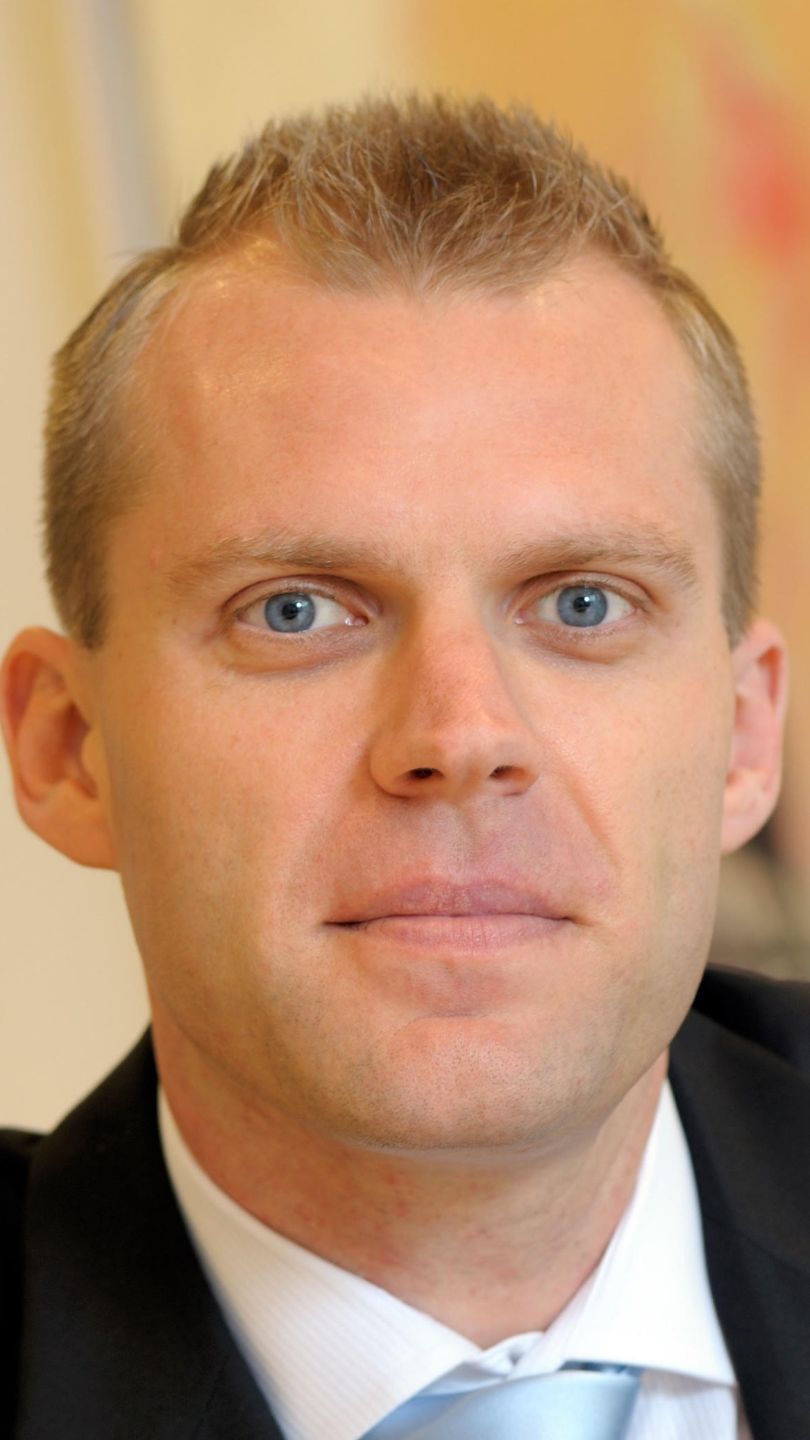
XroadMedia's Dvorak muses that in 2026, "the shift will continue towards experiences that feel seamless, intelligent, and truly audience-first. Viewers no longer tolerate fragmented journeys across platforms, devices, and services. Instead, unified experiences will become the expectation, with content discovery that is intuitive, conversational, and deeply personalised. Natural language interfaces are already increasingly at the heart of user experiences, allowing audiences to search, explore, and engage with content in ways that mirror how we think and speak".
Ferguson from Evergent points out that payments and billing will become a strategic differentiator, rather than a back-office concern. He explains: "As bundles, partnerships and aggregation models expand, seamless and transparent billing will be critical to reducing friction and churn. Successful platforms will start to place greater emphasis on maintaining control over payments and avoiding customer experience issues that often come with clunky merchant of record processes. There should be no more confusion about which company name is showing up on your credit card statement. Platforms that put the consumer first and prioritise transparency will be well positioned to experiment quickly, respond to consumer behaviour and maximise lifetime value without increasing the friction that the consumer base has come to expect as the unfortunate standard.”
Accedo's Lantz thinks that more innovative business models will come to the fore this year. He posits: "One way that the big, global, 'appeal to all' SVOD services have improved profitability is by gradually increasing their prices. Generally, consumers have been fairly tolerant of this practice, primarily because the services are packed with so much value that it's almost impossible not to be a subscriber. However, as these types of services have multiplied and competition has increased, it's become much harder for them to raise prices without losing users. In 2026, I believe we will see this mounting pressure drive innovation in new business models as services look to increase profitability while avoiding churn. How this will look in practice is yet to be seen, but it will certainly involve delivering more value to the consumer by meeting their needs more precisely. This could mean offering subscriptions with time or platform constraints, such as evening or weekend access or even mobile access only."
Lantz adds: "Another consequence of the increased competition and reduced pricing power is that we will likely see more mergers and acquisitions [M&A] among the larger services. This consolidation will open room for smaller providers that offer more targeted offerings. These smaller services will not have to acquire content to appeal to all consumers and will therefore be able to offer value to a niche target audience at a much lower cost than the larger SVOD players."
Turning to some of the practical changes that streaming services will have to make this year, Stefan Lederer, Co-Founder and CEO at Bitmovin, theorises: "As market pressures continue to tighten, video services have come to the realisation that growth and improved profitability is only possible through the strictest operational discipline. Every process needs to be optimised and tightly controlled. Growth will come from making better use of data, smarter automation, and effective financial operations (FinOps), alongside a persistent focus on cost-per-stream-hour. In the coming year, I expect to see streaming services focusing their attention on these critical areas. This laser focus will also drive services to leverage AI-driven automation and intelligence tools to support encoding, playback, ad-insertion, and analytics."
Lederer also thinks streaming services will radically simplify their vendor ecosystems. He expounds: "Most streaming services today are operating complex, fragmented technology stacks with overly complicated vendor ecosystems. This creates unnecessary operational friction which in turn makes it difficult to operate efficiently. Given the ongoing cost pressures that services are facing, this way of working is fast becoming untenable. Consequently, in 2026, I expect to see video services actively working to simplify their vendor ecosystems. This will see video services moving away from working with a patchwork of vendors to instead working with a limited number of carefully chosen strategic partners who are specialists in clearly defined areas.”
Furthermore, he concludes that experience will become a key differentiator, noting that video infrastructure "such as encoding, playback, CDN connectivity, and analytics are no longer scarce capabilities; instead, they're expected and readily available, and so difficult to turn into a lasting advantage on their own".

"What matters most now is how the service feels to the viewer. Quality of experience (QoE) is paramount and must be treated as a core business metric that affects loyalty and revenue in real terms, not as a secondary metric that is only reviewed after problems occur. Gaining a competitive edge in 2026 will mean relentlessly focusing on QoE and delivering hyper-personalised UI and UX. I also expect to see video providers adding more value and enriching the QoE by offering interactive experiences. This could be through multi-view video, allowing viewers to change the camera angle during a live sports event or music concert or through shoppable experiences," Lederer says.
Amanda Leighton, Chief Growth Officer at Telstra Broadcast Services, sees audiences continuing to shift towards digital platforms as their primary destination. She forecasts: "Traditional terrestrial channels will remain part of the ecosystem, but increasingly as a complement rather than the foundation of distribution strategies. At the same time, broadcasters and content owners will streamline and consolidate their delivery networks to reduce costs, simplify operations, and remove unnecessary complexity. This transformation will be underpinned by investment in seamless, scalable distribution infrastructure – spanning global fibre, IP-based delivery, and cloud-enabled workflows. The result will be more flexible, reliable viewing experiences for consumers and a more efficient, unified operational model for the industry."
She also expects to see personalisation shift from being a differentiator to an expectation: "From targeted advertising to curated content journeys, audiences increasingly demand relevance – and they want it delivered effortlessly. This shift will accelerate consolidation among subscription platforms as consumers push back against fatigue, fragmentation, and the complexity of managing multiple services. To meet these expectations, rights holders and broadcasters will continue investing in analytics-driven, dynamic content delivery that enables personalised viewing experiences at scale. This evolution will foster deeper engagement for audiences and a more data-driven, partnership-oriented approach across the industry."
Drilling down on advertising

Advertising is playing a growing role in streaming services, and some big changes are anticipated by CE executives this year.
Paul Davies, Head of Marketing and Partnerships at Yospace, says server-guided ad insertion (SGAI) "is the next evolutionary step in dynamic ad insertion that promises a lot, from new ad formats to low latency at scale with addressable advertising. We expect to see an increasing number of live SGAI deployments throughout the year, making 2026 the year when a lot of the promise becomes reality".
Davies also predicts that ad-funded broadcasters will increasingly fight back. He proclaims: "Broadcasters have long cited the premium quality of TV as its USP to advertisers over the notorious hit and miss approach of other digital advertising. Developments in new standards for ad measurement and viewability tracking will provide advertisers with a deeper level of performance insights across more devices and platforms than ever before. This will increase trust and convince them to spend more."
Meanwhile, Magone sees ad spending picking up as the FAST market grows. "Although a significant proportion of viewers still watch traditional broadcast TV, an increasing number are choosing to stream linear format TV, in other words, FAST channels," he says, citing recent forecasts from analysts at Omdia that the global FAST market is expected to almost double by 2030 from revenues of $6bn in 2025 to $11bn-$12bn by 2030.
"In 2026, we'll see significant growth in this market, and this will drive ad spend, which in turn will help to counteract the decline in traditional linear TV ads. We can see this playing out in the UK with Freely, the UK's live and on-demand streaming service that has recently confirmed partnerships with CNN and Warner Bros, Discovery UK and Ireland to launch a number of new FAST channels in 2026," he says.
Dvorak also comments that monetisation models have had to evolve as subscriber growth has stalled or even declined for some services. He asserts: "While traditional broadcast advertising remains relevant, growth is currently driven by FAST and AVOD services as audiences embrace free and hybrid viewing experiences. Advertising this year will become more interactive and measurable, particularly on connected TV, where formats will move beyond the 30-second spot toward personalised, shoppable, and context-aware experiences."
Galabru adds that advertising will "move beyond raw impressions toward verified delivery, audience-level targeting, and measurable outcomes. First-party data and proof of playback will become essential to protect revenue and viewer experience".
Additionally, Leighton believes that advertising revenue will grow, "but the mechanisms driving that growth will look very different from the traditional linear models of the past. Virtual and in-content advertising will move further into the mainstream as rights-holders seek more immersive, natural ways to integrate commercial messaging. For audiences, this means advertising that feels less disruptive and better integrated with the viewing experience. For the industry, it opens new creative and commercial opportunities, enabling more targeted, effective, and measurable campaigns that enhance rather than interrupt content".
Sporting chance
Sports events remain a huge revenue-generating opportunity. Indeed, Rosado says that live sports and premium events "remain the most valuable content in streaming. In 2026, delivery resilience and content protection will no longer be differentiators, but baseline expectations".
Rosado adds: "Multi-CDN strategies are becoming standard, actively orchestrating traffic across public and telco CDNs to balance cost, performance, and regulatory constraints. At the same time, anti-piracy moves closer to the delivery layer, with policy-driven routing, real-time monitoring, and tighter CDN integration playing a critical role. As rights values rise, operators are increasingly measured not just on latency or raw performance, but on end-to-end QoE and security guarantees."
Davies claims that major sports events will drive advertising to unprecedented heights, noting that there has been "huge growth" in ad-funded sports streaming over the past two years. He cites: "During the month of the Men's Euro 2024 tournament, 6 billion one-to-one addressable ads were stitched using Yospace's technology. Come 2025, that number increased to 8.5 billion. With both the Winter Olympics and FIFA World Cup this year, we expect the figure to surpass 10 billion for the first time."
Ferguson says sports will continue to evolve and thinks many of the leagues will accelerate towards more membership-led, experience-first models.
"With rights increasingly fragmented and costs continuing to rise, leagues, teams, and rights holders are looking beyond pure streaming to create deeper, more direct relationships with fans. The next wave of sports services will blend live content with loyalty, in-venue benefits, and digital engagement, turning fandom into an ongoing membership rather than a single subscription transaction. How the leagues will capitalise on having this new form of direct engagement with the fan is something I'll be keeping a close eye on," he says.
Galabru adds that broadcast and streaming are fully converging around live content. She explains: "Sports, news, and major events are now delivered through hybrid architectures that combine broadcast reliability with OTT flexibility. Viewers expect the same immediacy and quality on linear TV, connected TVs, and mobile devices. In 2026, the ability to scale instantly, absorb traffic spikes, and maintain quality under pressure will no longer be a differentiator; it will be the baseline."
Navickas also thinks the e-sports streaming market is set for sustained growth in 2026, citing figures that predict revenues are set to reach $7.46bn by 2030. He summarises: "What was once a niche segment is now a global, always-on media category with growing commercial value, attracting millions of viewers. Platforms are investing in more interactive viewing experiences, including multilingual AI enhancements, real-time overlays and personalised viewing options, reaching a more diverse demographic. As it attracts new fan segments and sponsors worldwide, it is increasingly shaping expectations for low-latency, high-quality live streaming across the market. It's not a completely new landscape, yet the ground is shifting as once nascent technologies like AI become mainstream, and streaming-over-legacy media becomes the norm."
Piracy a-hoy

On the topic of piracy, Robin Boldon, Head of Product at Friend MTS, expects to see some important developments here.
First, he says that video pirates "will rightfully become broadly known as the criminals they are. They’ll join the list of organised crime groups (OCGs) alongside human traffickers, cyber criminals, and drug smugglers. 2026 will be the year that the industry acknowledges the threat of piracy-based malware, which is subjecting users to cybercrime and fraud. As law enforcement organisations understand that video content theft is a highly profitable, low-risk revenue stream for OCGs, we expect to see an increase in enhanced AI RAG [retrieval-augmented generation] models being used by anti-piracy experts to identify threats 70% faster than they do today. With this increase in speed, we anticipate reduced piracy for live events, making a dent in the millions of dollars pirates generate annually from illegally streaming them".
Furthermore, Boldon sees greater collaboration for multi-jurisdictional investigations. He estimates: "By the end of this decade, we will see multi-jurisdictional investigations, treating content pirates like any other criminals, backed by robust evidence collection. With the close collaboration of content owners, broadcasters/streamers, technology providers, and local and international law enforcement, we will see a reduction in the 9 million instances of piracy FMTS detected in 2025. The astronomical revenue loss from piracy will be a reality that no government or law enforcement agency will be able to ignore a decade from now."
Technological trends
Among some of the expected technology developments this year, Lietz sees sub-500 millisecond latency becoming the baseline for interactive experiences, noting that it is already the minimum requirement for iGaming, live auctions, and mission-critical operations. He says technologies such as media over QUIC (MOQ) and modern browser-based delivery are accelerating this shift, particularly for mobile users and unstable network conditions.
Lietz states: "MOQ is a turning point because it allows interactive applications and real-time video to work reliably across regions, devices, and network conditions.”
Meanwhile, Pastor thinks that companies should be innovating now as the current focus on M&A in the streaming industry risks "technical stagnation".

"Because global regulatory processes are lengthy and unpredictable, companies cannot afford to delay vital innovation while waiting for a deal that may be years away. By focusing on structural value now, a well-engineered media company will ensure its systems and architecture are superior, which means they will be the belle of the ball, whether they ultimately become an acquirer, the acquired, or an independent powerhouse," he says.
Elsewhere, Fabio Murra, Senior Vice President (SVP) of Product and Marketing at V-Nova, raises the topic of TV 3.0, claiming: “it is not a curiosity, it is the positive proof point the industry has been waiting for. Brazil proves that next-gen TV can delight viewers at scale. DTV+ launches from pilot to full deployment around the World Cup with real 4K HDR, powered by VVC, MPEG-5 LCEVC, and MPEG-H on air in major markets. Viewers will see a clear quality jump over terrestrial TV, and the old argument that 'broadcast cannot afford UHD' will start to crumble. Brazil will become the go-to example of how a country can leap forward without waiting for yet another incremental standard.”
Elsewhere, Borchers discusses how the proliferation of new smart TV operating systems has added an extra level of complexity to both service and technology marketplaces. He informs: "With the launch of Whale OS, Titan OS, and Vega OS, with further new entrants likely, a new operational choice has been created for service providers. At the same time, it poses new business opportunities for other players in the ecosystem.”
In 2026, Borchers adds, "we will see deeper and closer partnerships bringing together smart TV operating systems and OEMs with operators as all these stakeholders seek to get a bigger piece of the entertainment pie. Operators will collaborate with TV makers with whom they can negotiate carriage deals – as they aim to add customer appeal by positioning the favoured content offerings prominently within an OEM's UX – with services pre-installed and promoted."
Borchers also says that enhanced voice-enabled search and conversational discovery solutions will come to the market. "In 2026, we'll see more voice-enabled user experience enhancements, including more personalised and natural discovery, powered by AI."
Cloud gets a mention, as Magone points to how the technology has helped to lower the barriers to entry for content owners and brands that want to launch their own TV channels.
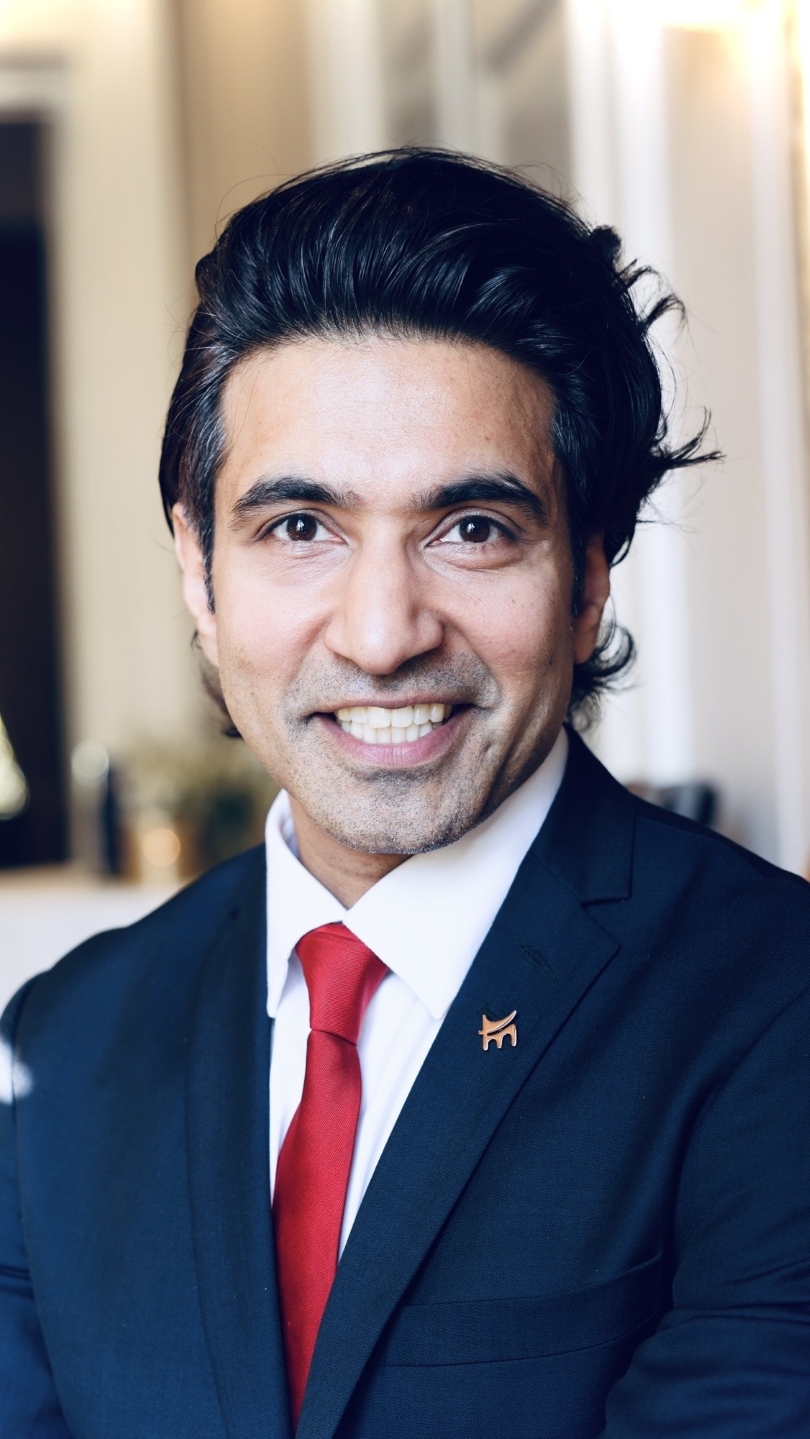
"As a result, broadcast technology has become much more accessible and easier to use, no longer requiring huge up-front investment, dedicated facilities, or teams of engineers. Over the coming year, I expect to see more niche and specialised linear TV channels launching, often by smaller operations. These channels will cater to dedicated communities and specific interests that are often overlooked by mainstream media, ranging from unusual hobbies and lifestyle choices, to documentaries, reality TV, food-, and drink-related content, to obscure movie themes," he says.
The last word goes to Ajey Anand, CEO of Norigin Media, who predicts that 2026 "will reveal the survival of the fittest, whether in technology, teams, or business models. Consumers have more choice than ever, mergers make the dominant players stronger, and new AI-driven entrants are emerging".
He adds: "Across everything from content production to distribution, AI-based execution will make many traditional operations and cost structures redundant. That challenges all of us and creates space for a new IT revolution. My predictions, based on this, are that we'll see the survival of one of the following in each case: content majors or new AI entrants that create unimagined content; skilled engineers or well-organised coding processes; and telcos or global cloud networks".
"The media industry will re-engineer itself not only to survive, but to reinvent itself for a digital future that is evolving by the minute," Anand concludes.
You are not signed in
Only registered users can comment on this article.
.jpg)
Innovation Awards: Collaboration and open standards triumph
The winners of the IBC Innovation Awards were revealed at an event at the Amsterdam RAI, honouring collaborative projects tackling some of the industry's biggest challenges.
.jpg)
IBC2026: What to look out for on Day 4
As the final day of IBC2026 draws near, visitors seize the last opportunity of the year to network, solidify partnerships, and soak up the last of the available innovative learnings across IBC2025’s 14 halls
.jpg)
IBC Technical Papers 2026: Complete list of tech papers
The IBC Technical Papers Programme features original, novel research on solutions to real-world problems faced by the international broadcast and digital media industry.
.jpg)
IBC2026: What to look out for on Day 3
As day three of IBC2026 begins, the expert insights are in full flow, revealing groundbreaking technology demonstrations and discussions across the industry.
 SR.jpg)
The end of MrBeast? Why 100 micro‑influencers are more effective than one mega‑influencer
The number one creator in the world is MrBeast, right? Wrong. It is Blair Imani who tops the 100 Creators on the Planet, according to the Affinity Score unveiled exclusively at IBC.
.jpg)
.jpg)