

Olympic Channel Services created an AI tool to help its editorial team deal with the huge deluge of live content, supporting creative decisions rather than reducing headcount. John Maxwell Hobbs reports.
The Olympics has long embraced technological innovation that enhances the viewing experience and improves content creation. While concerns have emerged about how AI might disrupt industries, Olympic Channel Services (OCS) moved to leverage the technology, creating a human-centric Editorial Co-Pilot, designed to enhance human creativity rather than replace it.
The tool was created to address the specific needs of content creators covering a massive, fast-paced event like the Olympics. Unlike many AI applications that seek to automate entire processes, the Co-Pilot focuses on supporting human judgment and creativity...
You are not signed in
Only registered users can read the rest of this article.
.jpg)
IBC2026: What to look out for on Day 1
From 11 to 14 September 2026, IBC2026 will open its doors to the international media and entertainment industry.
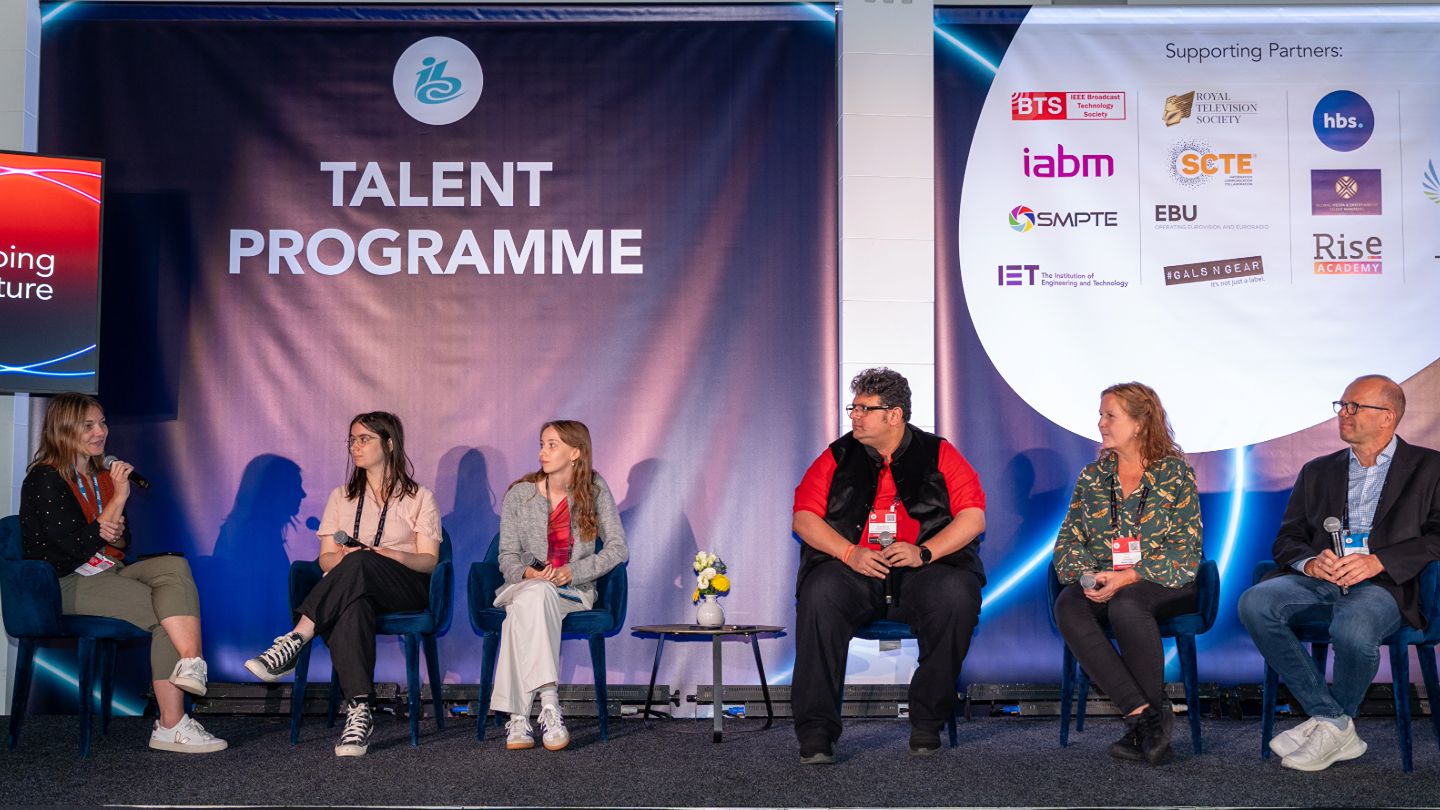
IBC2026: Creating meaningful opportunities for start-ups, students, educators, and innovators
IBC2026 is set to tackle the media and entertainment industry’s talent shortage this week, with several initiatives designed to give students the chance to attend the show, meet industry professionals and start building connections for their careers.

IBC Accelerator: Agentic AI for live sports
With an eye on the future, this IBC Accelerator plans to move beyond isolated use cases and demonstrate how agentic AI can be applied across the full live media value chain, from automated production tasks to highlight generation, personalisation, and monetisation.
.jpg)
Innovation Awards: Stories behind Content Everywhere finalists
The Content Everywhere finalists in this year’s IBC Innovation Awards run the gamut across: a giant DTV+ implementation project in Brazil; the Premier League’s connected fan experience; and the AI-generated phenomenon Tilly Norwood. Fergal Ringrose, Chair of Judges for the IBC Innovation Awards, reveals why.
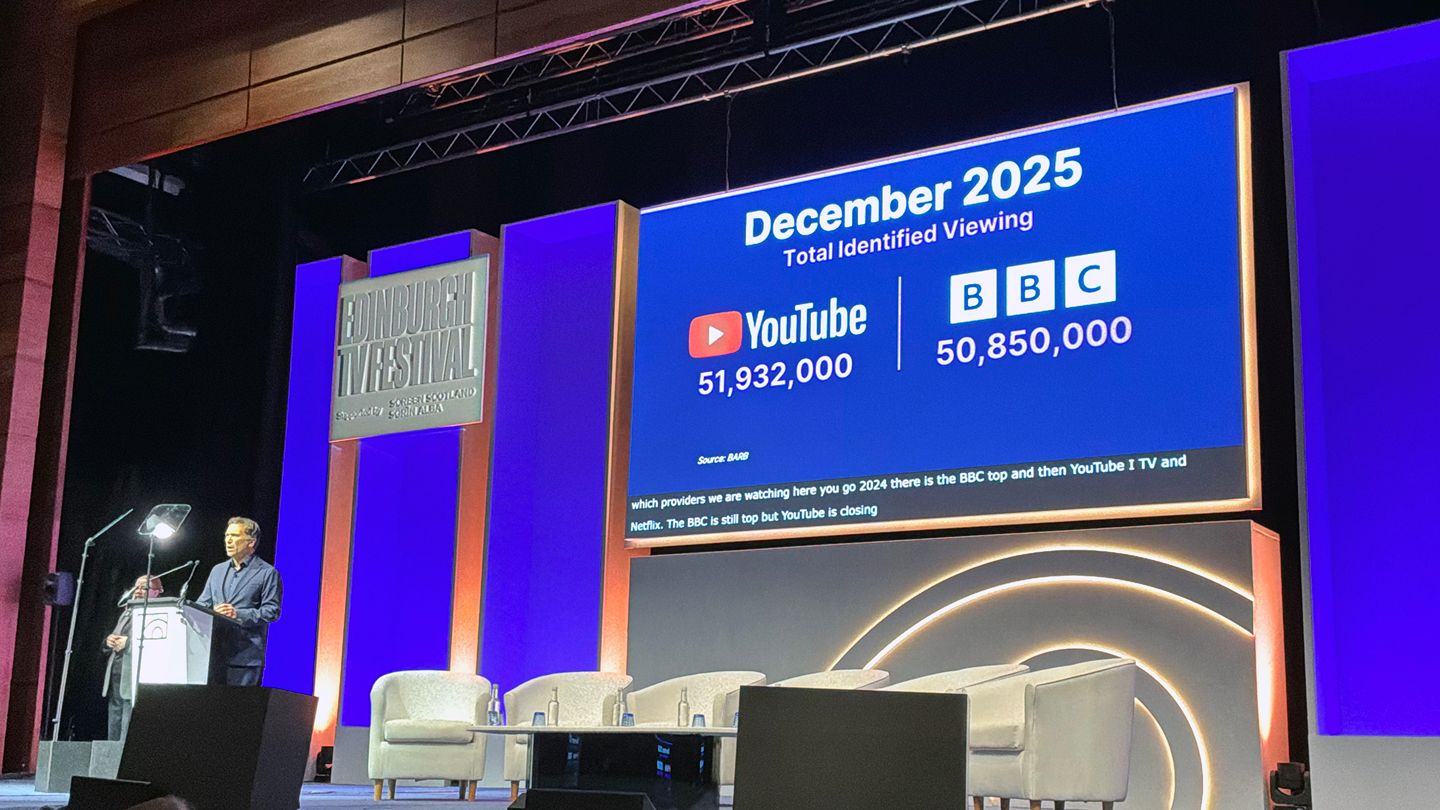
Edinburgh TV Festival 2026 review: So long, and thanks for all the views
As this year's edition of the TV Festival is the last to be held in Edinburgh before the move to Manchester, change in many forms featured high on the agenda. The message was that change is not just coming, it's already here – so deal with it.
Registered users only: Login

.jpg)
.jpg)
 (1).jpg)