
Call my agent: Agentic AI begins buying media advertising
AI agents have the potential to automate media transactions at scale, but today’s focus is less about fully autonomous workflows and more on experimentation and efficiencies.
Adrian Pennington is a journalist, editor and commentator in the film and TV production space. He has produced and chaired conference sessions, co-written a book on stereoscopic 3D, edited several publications and is copywriter of marketing materials for the industry.
.jpg)
AI agents have the potential to automate media transactions at scale, but today’s focus is less about fully autonomous workflows and more on experimentation and efficiencies.
.jpg)
As media, technology, and politics become increasingly intertwined, the stakes extend far beyond the balance sheet.

Cinematographer Sam Levy crafts a modern noir rooted in the city’s streets and subway.
.jpg)
With audiences expecting instant global information, and broadcasters competing against social platforms that deliver clips within seconds, the race is on to deliver ultra-low latency (ULL) as a competitive edge.

To embrace the stark, crystalline reality of the Arctic, Blazing Griffin’s Gareth Bishop leveraged colour compression techniques, LED volumes, and plates captured on an archipelago in the Arctic Ocean.
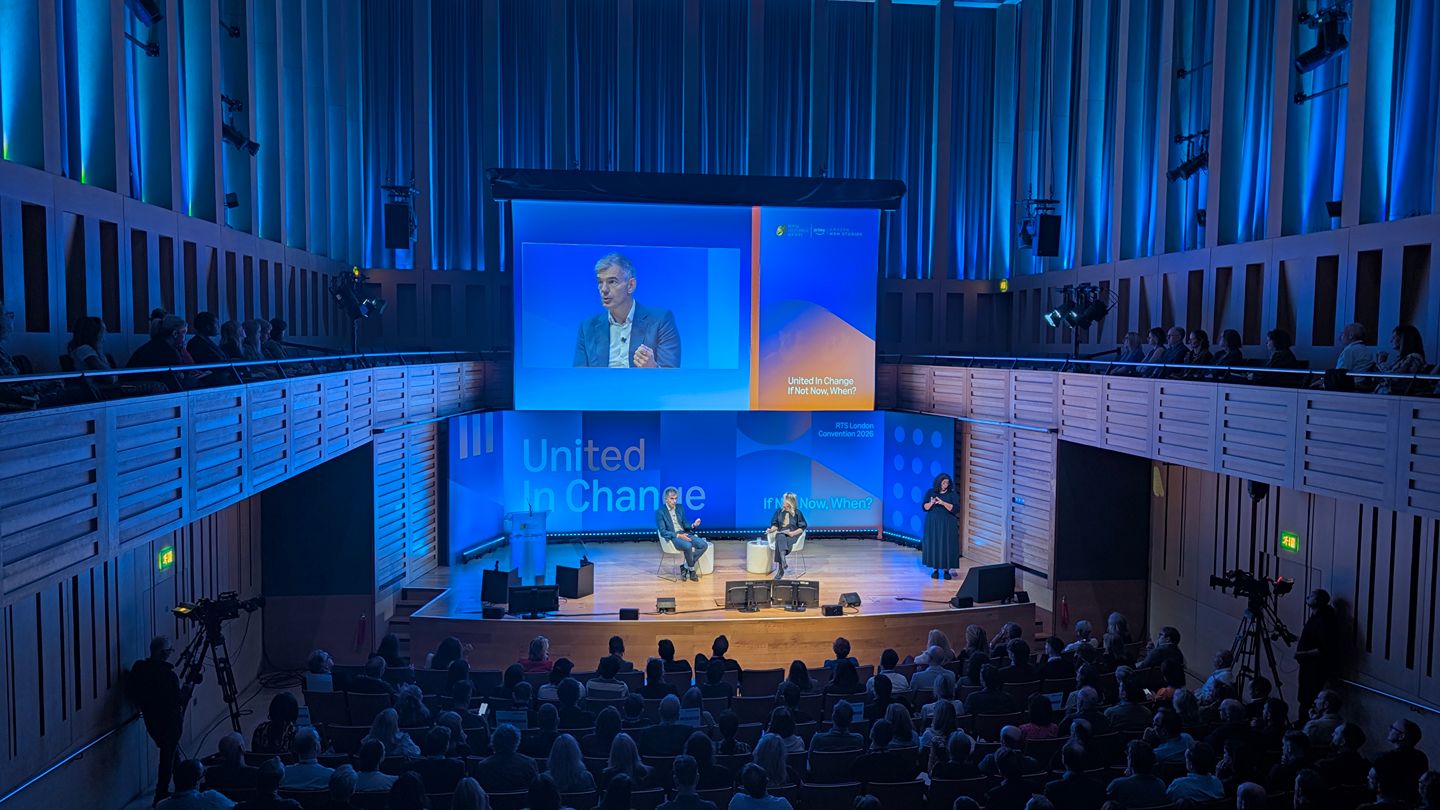
AI was largely sidelined at the annual RTS gathering where the fate of public service media took precedence. Adrian Pennington reports.
.jpg)
The creator economy is no longer a sideshow in Free Ad-Supported Streaming TV (FAST) but a core channel segment with platforms actively competing for content.
On Air, the global student‑run broadcast initiative, is scaling up in its second year.
.jpg)
The Los Angeles 2028 Olympic Games are set to become the largest broadcast operation ever attempted.
.jpg)
A feasibility study, revealed for the first time at IBC, confirmed that a pan-European cloud ecosystem is achievable – if broadcasters can overcome several organisational, financial, and regulatory hurdles.