
Late-night kick-offs at this month’s World Cup are expected to change the viewing habits of UK viewers, according to research by mobile operator EE.
The tournament – taking place across the United States, Canada, and Mexico – will feature late-evening and overnight matches. For example, England’s first World Cup match in the tournament kicks off at 9pm on 17 June 2026, while Scotland’s is at 2am on 14 June 2026.

As a result, more than 80% of UK fans say the schedule will affect how many games they watch live.
According to the research, many are already planning to adapt their viewing. A quarter say they will mainly watch the biggest matches live, such as their team’s games or knockout rounds, while others expect to watch fewer live games overall or rely more on highlights and updates.
Among 18- to 24-year-olds, only 30% expect to use traditional broadcast TV, with more turning to social media (43%) to get updates or highlights to keep up with the matches.
For those streaming the tournament, fans rank buffering, delays, and picture quality as the most important factors when watching live sport, well ahead of more advanced features like alternative camera angles, real‑time stats, or personalised highlights.
Almost eight in ten (79%) are concerned about the ‘roar before the score’, saying they would be upset if they found out about a goal before seeing it on their own screen – through notifications, group chats, or hearing people nearby celebrating. In total, 93% said it is important that live matches are shown with as little delay as possible.
More than four in five (82%) say they would be frustrated if a stream cut out and they missed a key moment, such as a goal. Furthermore, nearly a quarter (23%) say this would spoil the match entirely.
Late-night kick-offs could also change where people watch, with fewer fans expecting to watch in pubs or fan zones for this tournament and more opting to stay at home.
Greg McCall, Chief Security and Networks Officer at BT, which operates the EE network, said: “EE’s research shows that even short delays or interruptions can frustrate fans and take away from those unforgettable moments – and missing a goal isn’t just annoying, for many it ruins the match. With millions prioritising the live moments and many fans switching between streams, clips, social feeds, and group chats, seamless, reliable connectivity has never been more important.”
Adrian Pennington recently went behind the scenes at the FIFA World Cup 2026 ahead of its kick-off. Discover more here.
.jpg)
EU Sovereign AI: Collaboration crucial to AI and cloud success
Collaboration and innovation are crucial ingredients for establishing a sovereign cloud and AI ecosystem within Europe to reduce dependency on US hyperscalers, concluded an SMPTE panel at IBC2026.

Comcast and Paramount Skydance weigh future of SkyShowtime platform
Comcast and Paramount Skydance are reportedly considering winding down their SkyShowtime joint venture.
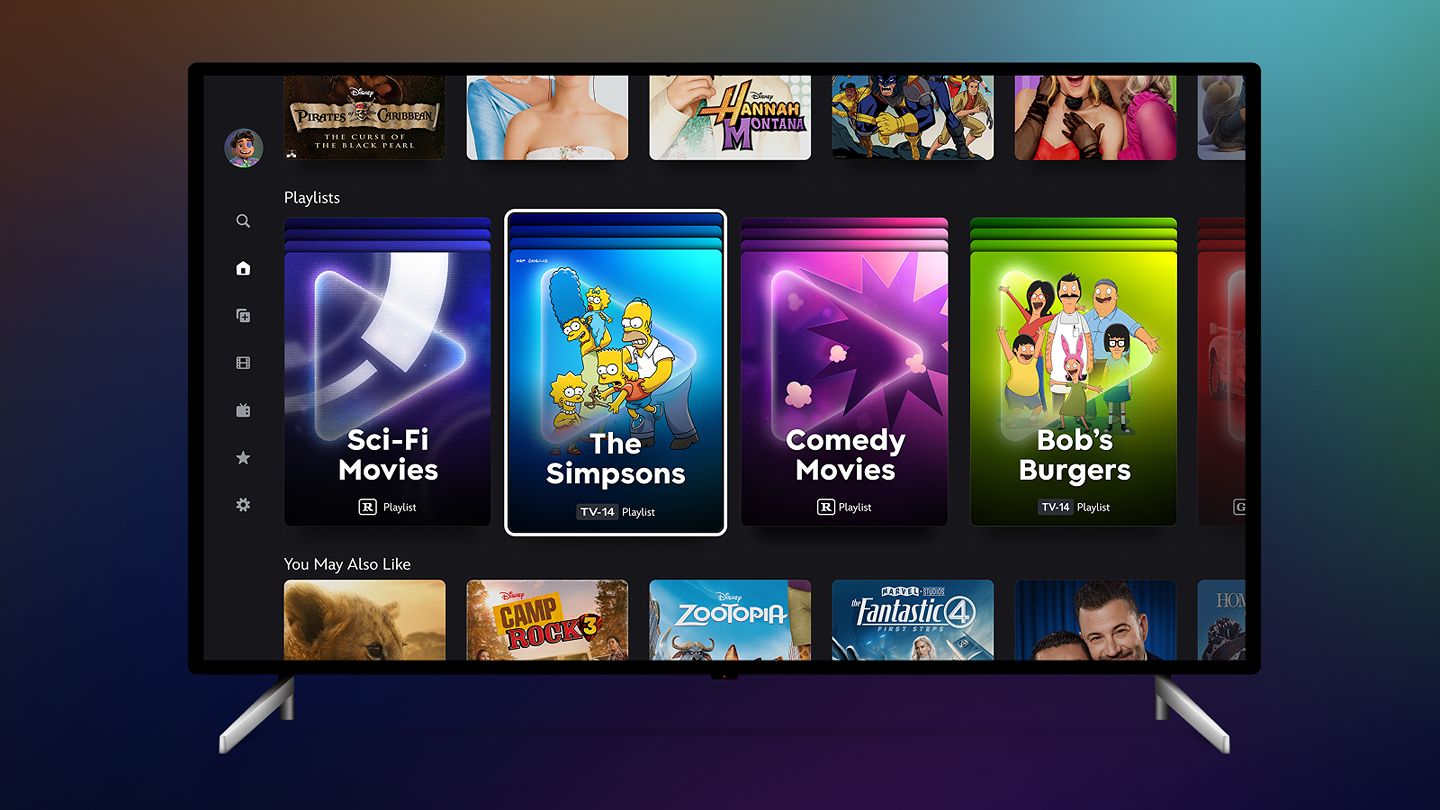
Disney+ launches curated Playlists feature
Disney+ is introducing Playlists, a feature that brings together themed collections of episodes and movies that play continuously.
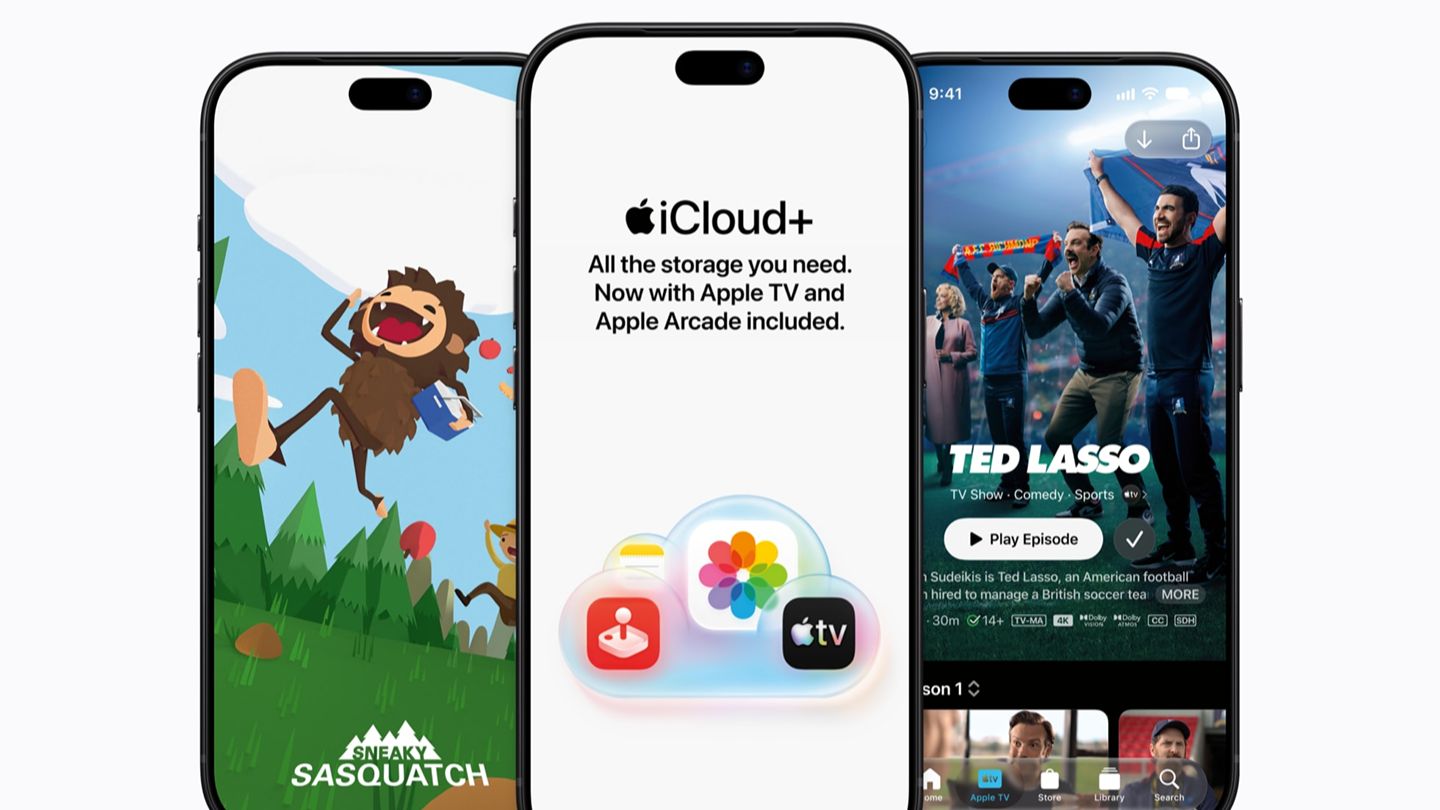
Apple expands Apple TV to 170 markets
Apple is rolling out is Apple TV streaming platform into 59 additional countries, taking the service’s global footprint to 170 markets.

Canal+ and LaLiga strike anti-piracy agreement
France’s pay-TV group Canal+ and Spanish football league LaLiga have signed a strategic anti-piracy agreement covering nearly 50 countries across Europe, Sub-Saharan Africa, and Haiti.

.jpg)
.jpg)