IBC2026 is set to tackle the media and entertainment industry’s talent shortage this week, with several initiatives designed to give students the chance to attend the show, meet industry professionals and start building connections for their careers.
The move is part of a wider effort to build stronger connections between IBC and Amsterdam’s local start-up, innovation and education ecosystem, while ensuring academia and industry have a much closer dialogue around future skills, technology and what the next generation needs.
Bringing students into the conversation
At the centre of the student offering is Hall 14's Future Tech Ignite zone, delivered with EIT Culture & Creativity as Innovation Partner, AWS Nvidia as Platinum Sponsor, and the City of Amsterdam as Strategic Partner. This zone brings together students, creators, technologists, start-ups, investors, educators and industry leaders across all four days of IBC2026 to explore how new ideas can become real opportunities for the media and entertainment industry.
Student-centred content on the Future Tech Ignite Stage includes 'Building Europe's Next Generation of Media Innovators', a look at how the region can help emerging talent turn bold ideas into media experiences people actually want to watch, hear and use. Shivam Dhawan, Founder and Director of Learning, Leren Labs, and Trevor Ó Clochartaigh, Director of Innovation, TG4, will share their experiences.
This is followed by 'Further Education for the Industry? Closing the Gap Between Media and Academia', which will explore the challenges educators face in designing curricula for an industry in the grip of transformation, and the initiatives bringing students and professionals together. Panellists include Andy Beale, Co-Founder, Rise Academy, and Director of Technology, Premier League Studios; Barbara Devilee, Senior Lecturer and Researcher, Amsterdam University of Applied Sciences (Hogeschool van Amsterdam); and Shant Bayramian, Lecturer, Researcher, & Director of Emerging Tech, Inholland University of Applied Sciences.
Monday's programme on the Ignite Stage kicks off with a Future Talent Showcase, a two-part session designed to highlight the skills of the next generation. Part 1 will be led by representatives from the independent industry initiative On-Air, who will discuss the inner workings of the marathon 24-hour global multi-channel live broadcast going on air in October led by a collaboration of industry organisations and education facilities, and produced entirely by students. The session will reflect on the success of the 2025 broadcast and discuss what’s in store for 2026.
Part 2 features short-form content showcases from Inholland and Hogeschool van Amsterdam universities of applied sciences students. Student filmmakers will be capturing content from the showfloor that encapsulates IBC2026, editing it and presenting it on stage.
The final session on the Ignite Stage hands the forum of discussion over to the young people who will inherit the industry we are building today. The student panel will tell the industry what’s important right now in their eyes, offering a fresh perspective on the issues and opportunities facing the media community as seen by the next generation of incoming talent.
"The aim of these sessions is to get students actively involved in IBC. Rather than simply attending, we want to ensure they're learning from the industry, presenting ideas, making connections and gaining exposure to potential future employers and opportunities," said Jo Mayer, Head of Marketing, IBC. "By also engaging lecturers and educators we're making sure that IBC is helping to build a stronger connection between academia and industry that will be crucial to the future health of the industry."
Supporting the next generation of start-ups
In addition to providing opportunities for students to engage with the sector, IBC2026 is working closely with Strategic Partner the City of Amsterdam and StartupAmsterdam to help emerging businesses gain exposure to the international media and entertainment industry. Central to this will be a series of Start-up Pitch Sessions on the Future Tech Ignite Stage, giving technology and business innovators the chance to deliver five-minute pitches in which they will showcase the unique value of their business proposition. Participating companies include HappyClient, Contentflow, Graphrs, Harmix, Loraverse, Spotwise, ViWear, Klassifier, Lala.ai, and many more.
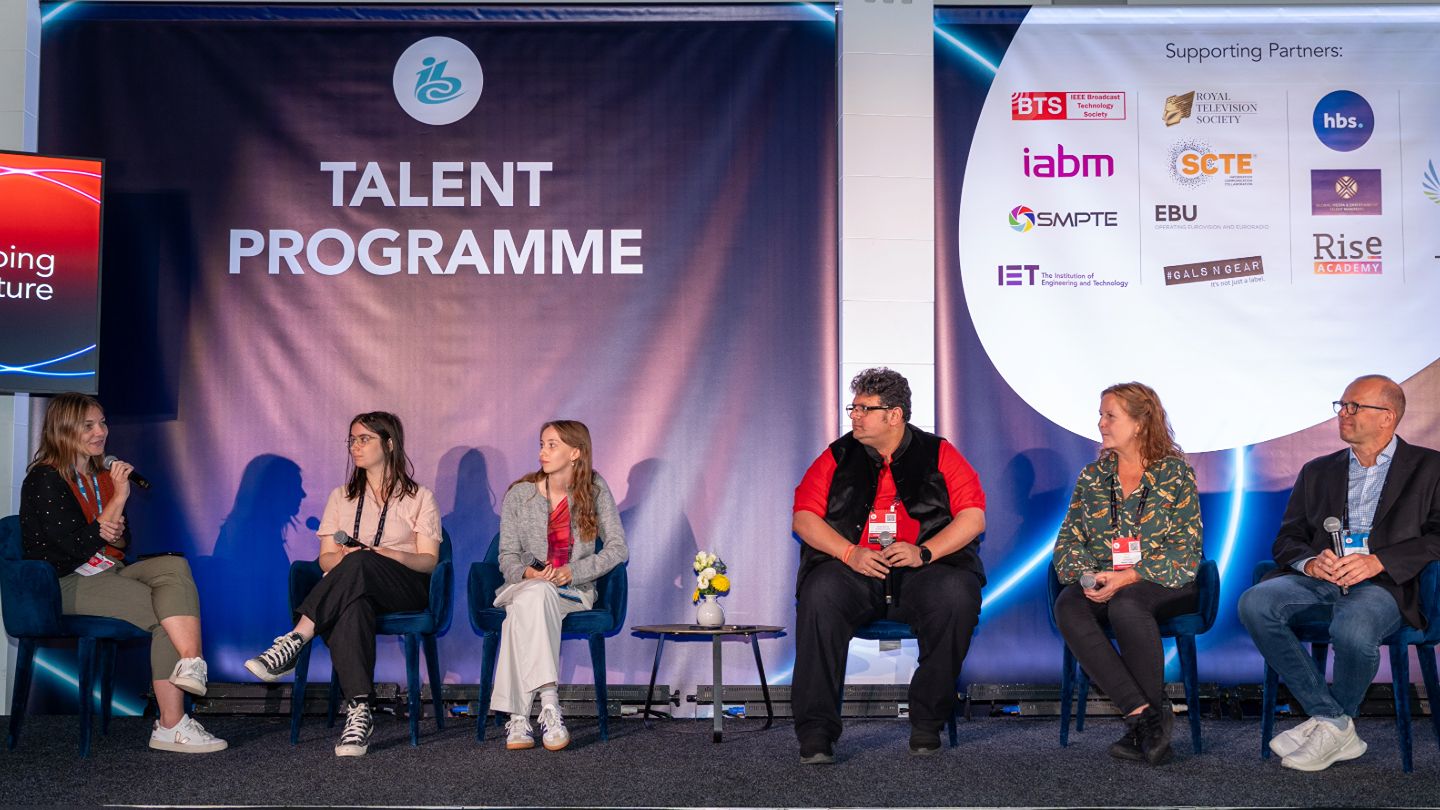
In addition, media cartographer Evan Shapiro and Marion Ranchet, Founder, Streaming Made Easy, will host a Start-Up Clinic on the morning of 12 September. Later in the day, Hans Hoffman, Deputy Director, EBU Technology & Innovation Department – Media Technology Strategies; Ana Betancourt, Founder & CEO, Black Goblin; and Javier Arias, Director of Business Creation, EIT Culture & Creativity, will discuss what it really takes to move from innovation to market, offering practical lessons for entrepreneurs looking to grow.
The following day, EIT Culture & Creativity-supported startups will present innovative solutions to real industry challenges. Participating companies include Gestmusic, Podego, Frame Rate, Sociate AI, Leren Labs, KemiVerse, VReal and Black Goblin.
Explore the full Ignite Stage programme and the wider IBC2026 Showfloor Agenda.
.jpg)
Call my agent: Agentic AI begins buying media advertising
AI agents have the potential to automate media transactions at scale, but today’s focus is less about fully autonomous workflows and more on experimentation and efficiencies.
.jpg)
NAB Show New York: The stakes could not be higher
As media, technology, and politics become increasingly intertwined, the stakes extend far beyond the balance sheet.
.jpg)
6G-Holonet: Bringing Star Trek’s comms system to reality
As the 6G-Holonet project sets its sights on live entertainment, cultural heritage sites, and immersive media, Alex Buchan, Chief Technology Officer, DTG, reveals the key technological considerations that have ensured the project’s impact.
.jpg)
ULL-timate goal: How streamers are prioritising ultra-low latency
With audiences expecting instant global information, and broadcasters competing against social platforms that deliver clips within seconds, the race is on to deliver ultra-low latency (ULL) as a competitive edge.
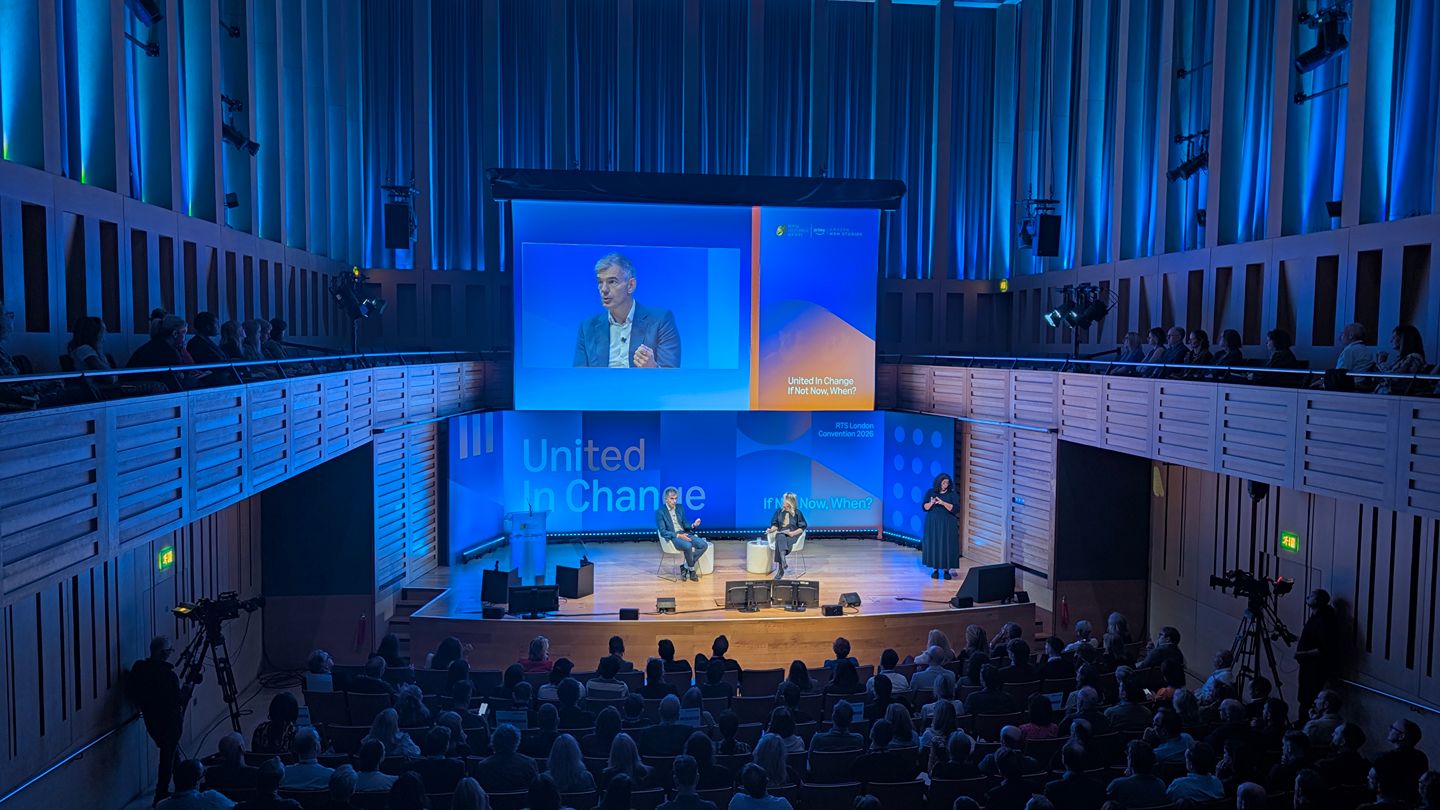
RTS Convention: “The prize for standing still simply isn't an option”
AI was largely sidelined at the annual RTS gathering where the fate of public service media took precedence. Adrian Pennington reports.
 (1).jpg)