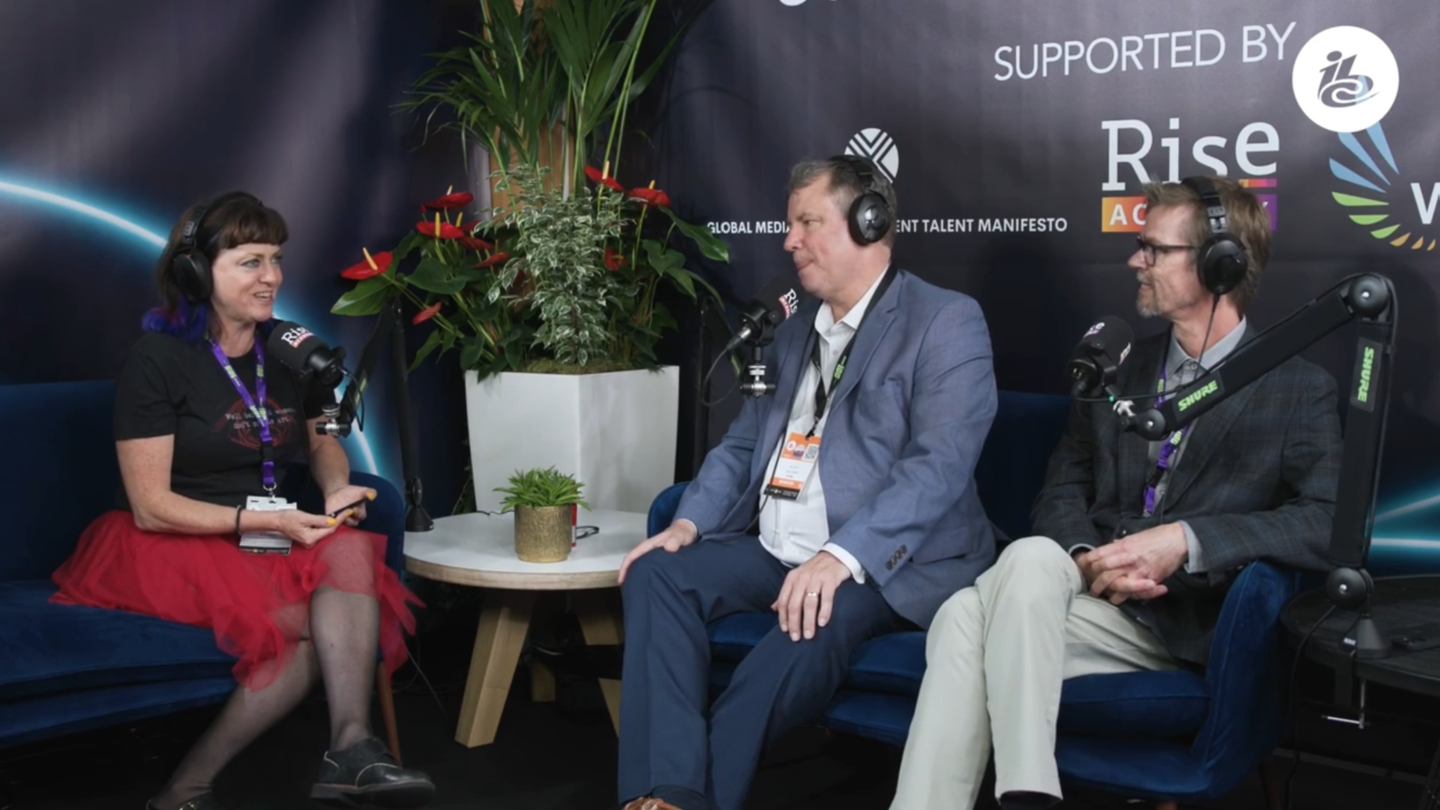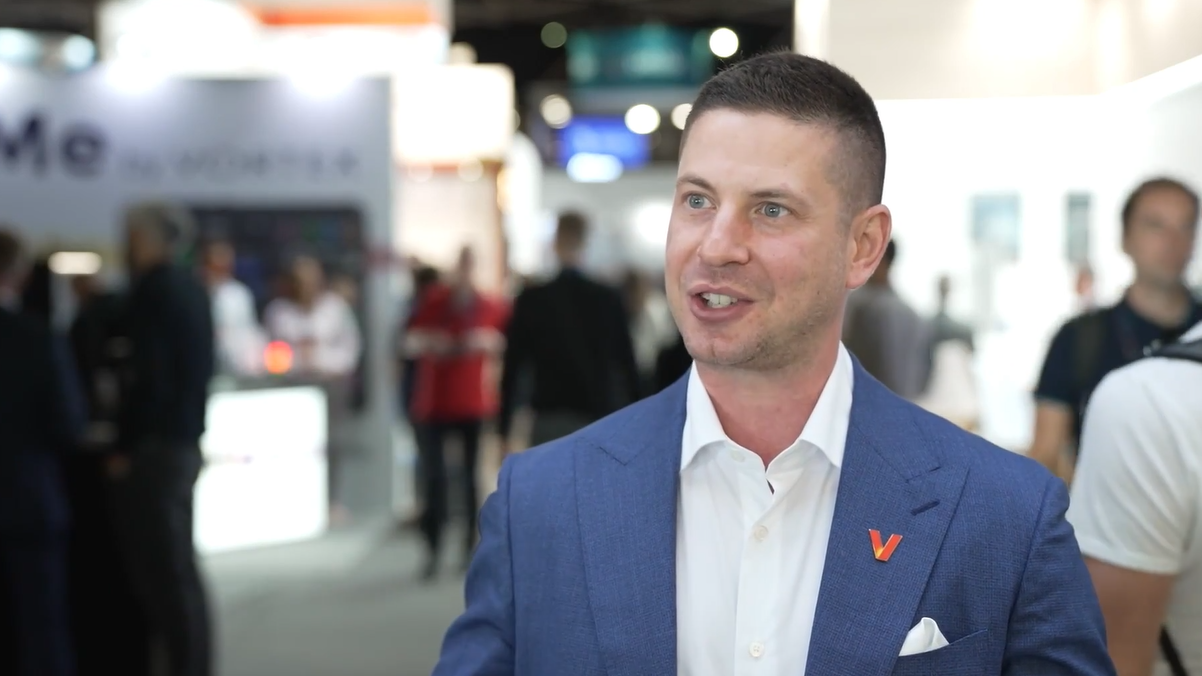
At IBC2025, leading executives from Roku, Rakuten TV, and Streaming Made Easy have shared their expert summations that user experience and partnerships must remain at the centre of broadcast success.
The industry leaders highlighted that this is particularly important as viewing increasingly fragments across traditional broadcasters, international streaming giants, SVOD, BVOD, AVOD, and FAST.
“There are a lot of contenders in being the first point of entry to consumers today, and the latest are the CTV manufacturers,” said moderator Marion Ranchet, Founder of Streaming Made Easy. “They’re not just making TVs anymore, but building platforms where you are staying, spending money and time.”
Twenty years after its founding, there are over 90 million active accounts watching TV on Roku every month, and Roku now makes first-party TVs in the US and Canada. “This means we are not just streaming players. We view ourselves as a TV operating system or TV OS,” said Tom Price, Director of Content Distribution at Roku. “The job is about making it easy for the user to find all their content.”
A big part of this is partnerships. “We partner with content providers, advertisers, very deeply with manufacturers and OEMs that make the devices, and retailers. Maintaining the focus on the user and their experience is crucial. If you lose track of this, you’re in trouble.”
The Trade Desk, traditionally an ad tech company, has decided to build its own operating system (OS). “We found out there was some work to do on how money flows through the advertising chain, so we built a TV OS, not to take it over but to show what a clean ad supply chain could look like.”
On the other side of the coin, Rakuten TV and Vodafone have platforms and apps they want to distribute to as many devices as possible. “Distribution is very important, building an app and not having it on the right devices won’t make people want to use it,” said Sidharth Jayant, Chief Product Officer at Rakuten TV. “CTV has been at the core of our distribution, as a living room device where users watch more often, come back more and pay for content. We have assessed market shares over many years to discover where users are more or less engaged. In the end, you need to cover the majority of the market in terms of CTV.”
Vodafone gets its revenue from telco subscriptions, but Frank Rippl, Global Head of TV Product, says smart TV platforms might be on Vodafone’s radar in the future. “Smart TV platforms are very important to our customers. Hoping customers come to us for a TV subscription is not enough; We need to have different additional digital channels, and a smart TV platform could be one of the platforms we add to our telco subscription and entertainment subscription in the future.”
Right now, even in Europe, there are thousands of apps on Roku, some of them very niche. “In terms of apps and content, people right now are struggling with the fact that content has been split up into different places,” said Price. “We try to find ways to put it all back together, through a unified search. There are some big apps that are a big portion by usage, but you should not neglect the long tail. Those apps are important to us, too.”
Launching an app is just the beginning, warns Jayant. “How do you drive product-led growth? In our case, we go hyper local, not just around content and language, but also the payment method that is most used, and constantly thinking about how we do conversions and take the journey on the journey you want.”
Roku will launch its first free ad-supported streaming TV (FAST) channels on the Roku platform in the UK market. Discover more here.
.jpg)
Creator culture is no longer a side‑show
Creators have become studios, studios have adopted creator logic, and audiences increasingly reward authenticity over scale. That was the clear message from executives at Meta, Sidemen Entertainment, Tubi, Snap and BBC Studios during a lively IBC panel on the creator economy.
.jpg)
IBC2026 insight: LA28 will be the biggest broadcast event ever
The Los Angeles 2028 Olympic Games is set to become the largest broadcast operation ever attempted. Speaking at IBC, Olympic Broadcasting Services (OBS) CEO Yiannis Exarchos warned that traditional production models “simply will not do” as it prepares for unprecedented scale, complexity and audience expectations.
.jpg)
AI reshapes broadcast, but humans stay central
Senior leaders from Australia’s ABC and Olympic Broadcasting Services (OBS) outlined how AI is reshaping every editorial and operational workflow while insisting that human judgement remains central.
.jpg)
DTG's Richard Lindsay‑Davies: "A once-in-a-lifetime shot to reshape TV"
The next decade will redefine broadcasting more profoundly than any transition since the arrival of television itself – and if broadcasters don’t grab it then YouTube will eat them all.

Delta Protocol: Live media reinvented
As project names go, ‘Delta Protocol’ might sound dramatic, more suited to an Andy McNab novel than a transformational technology initiative, but the reality is rather different. This Accelerator has suitably lofty aims, setting out to do no less than redefine video transmission by shifting from frame-by-frame delivery to scene understanding and semantic intelligence.