
Netflix is introducing a new subtitle option for subscribers that shows only spoken dialogue during films and series.
Until now, Netflix subtitles in the original language mean turning on Subtitles for the Deaf and Hard of Hearing (SDH/CC), which include not only dialogue but also audio cues like [phone buzzing] or [dramatic music swells], as well as speaker names.

The new option for original language subtitles shows only the spoken dialogue. It will first appear on new titles coming to Netflix, starting with season five of drama You.
According to Netflix, nearly half of all viewing hours on its platform in the US happen with subtitles or captions on.
Many viewers use subtitles because they want to keep the TV volume low, have trouble understanding the characters on-screen, or because of poor audio quality from their speakers or smartphones.
For the new season of You, viewers will see two subtitle options in English: English, which shows only the spoken dialogue, and English (CC), which includes both dialogue and audio cues like [door slams].
These subtitles will be made available on all new Netflix originals in every language it offers in addition to SDH/CC going forward.
You are not signed in
Only registered users can comment on this article.
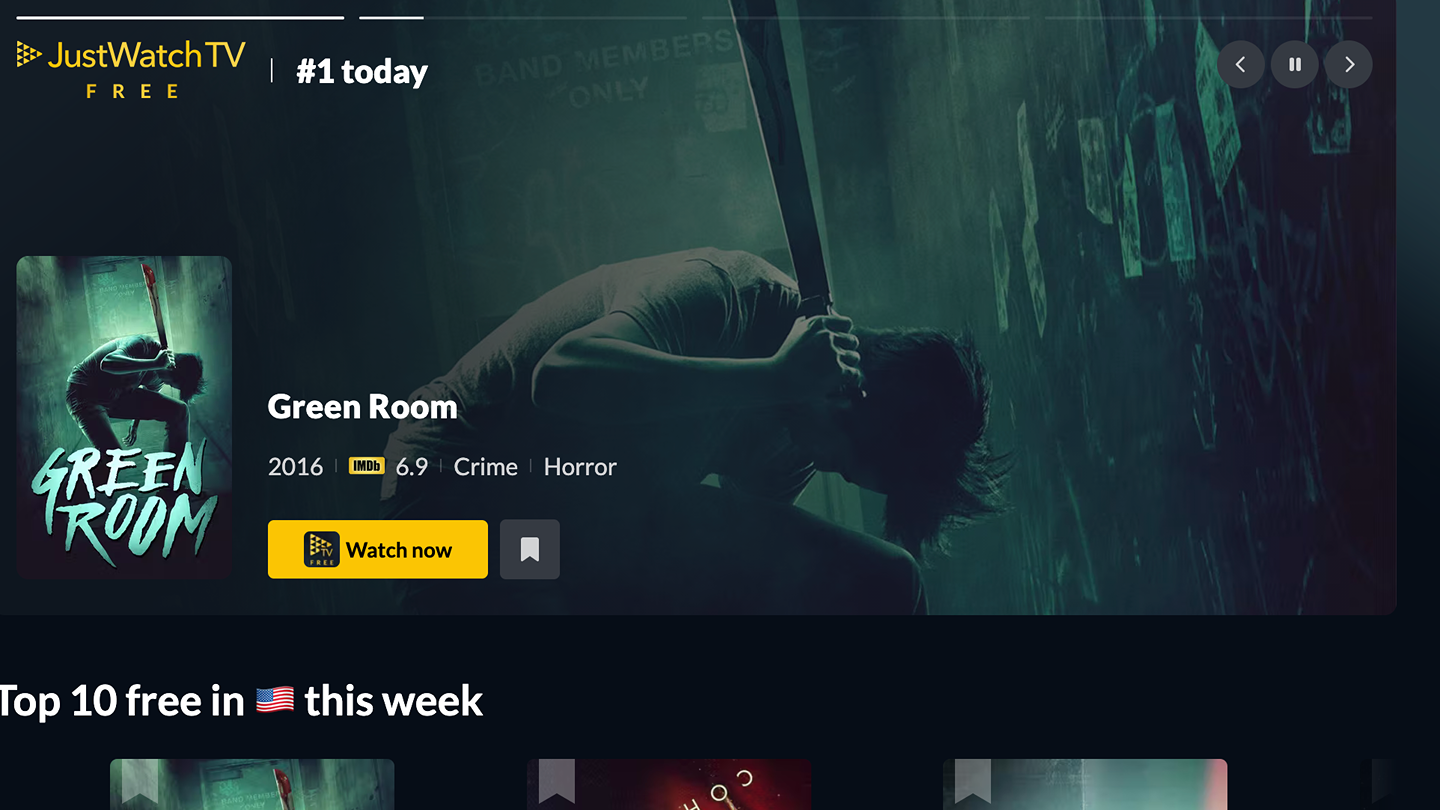
JustWatch to launch own streaming service
Reports say that JustWatch Group, which operates the world’s largest streaming guide, will launch its own streaming service, called JustWatch TV, in October.
.jpg)
CBC/Radio Canada picks Dalet
CBC/Radio-Canada has selected Dalet to modernise its news operations across Canada.
 (1).jpg)
Evergent wins API Gold from TM Forum
Evergent has achieved Gold status in TM Forum’s Open API Conformance Certification programme, advancing from the Silver status earned in the first quarter of 2026.
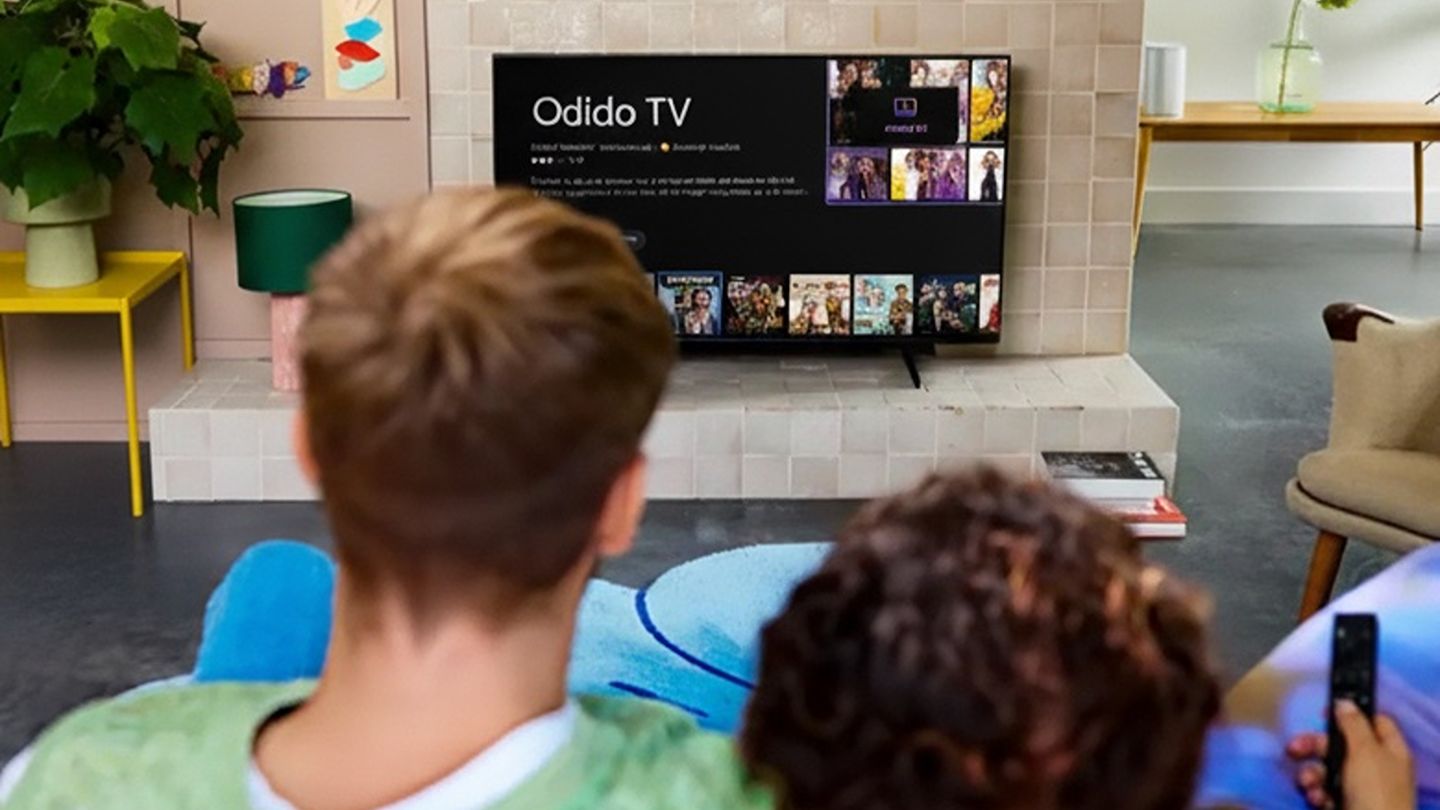
Dutch telco Odido picks Synamedia Go
Odido, a telecoms operator in the Netherlands, has selected Synamedia Go to support its TV streaming service.
Zixi extends integration with TAG Video Systems
Zixi and TAG Video Systems have announced an extended integration that enables Zixi’s live video delivery and orchestration software platform to leverage TAG’s content matching technology.
 (1).jpg)
 (1).jpg)