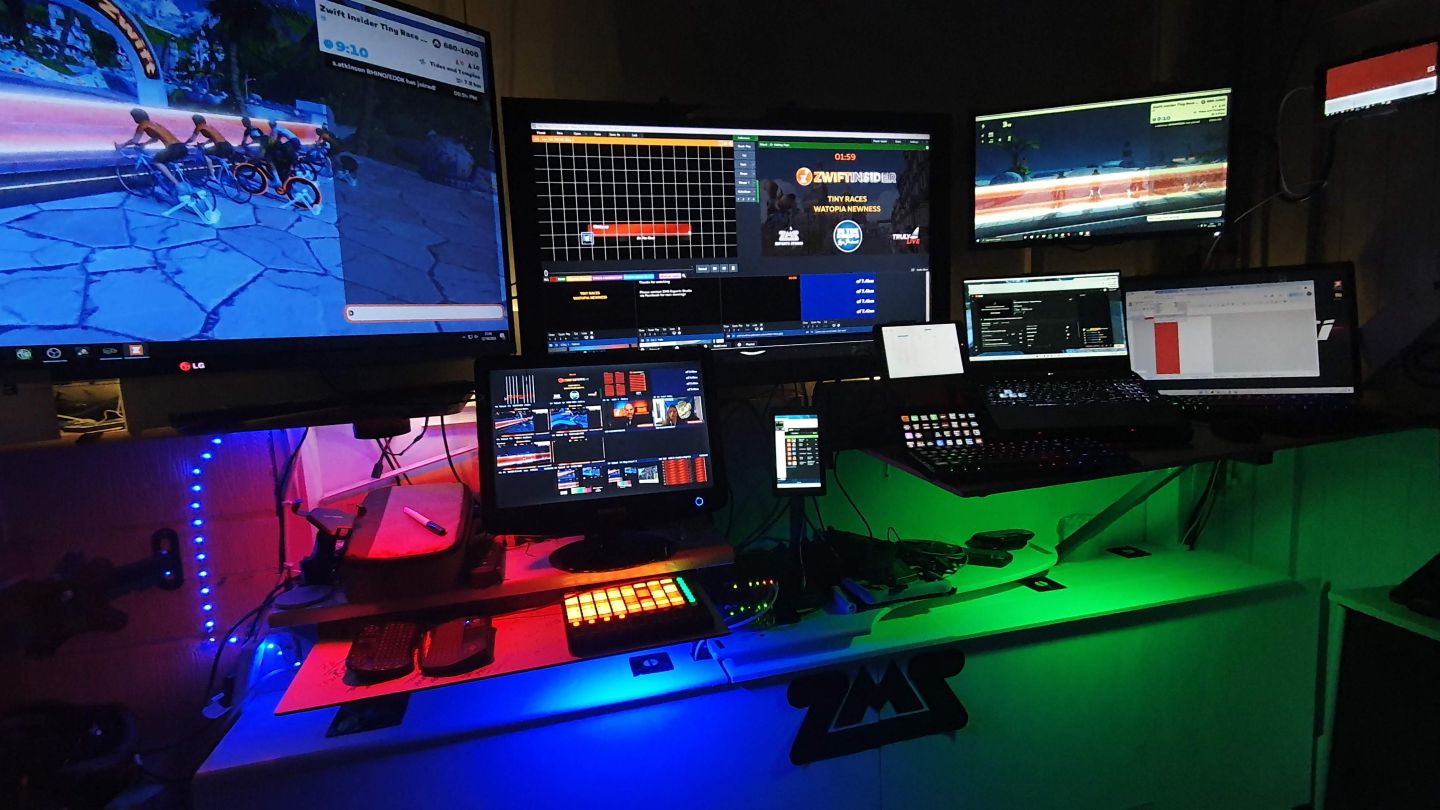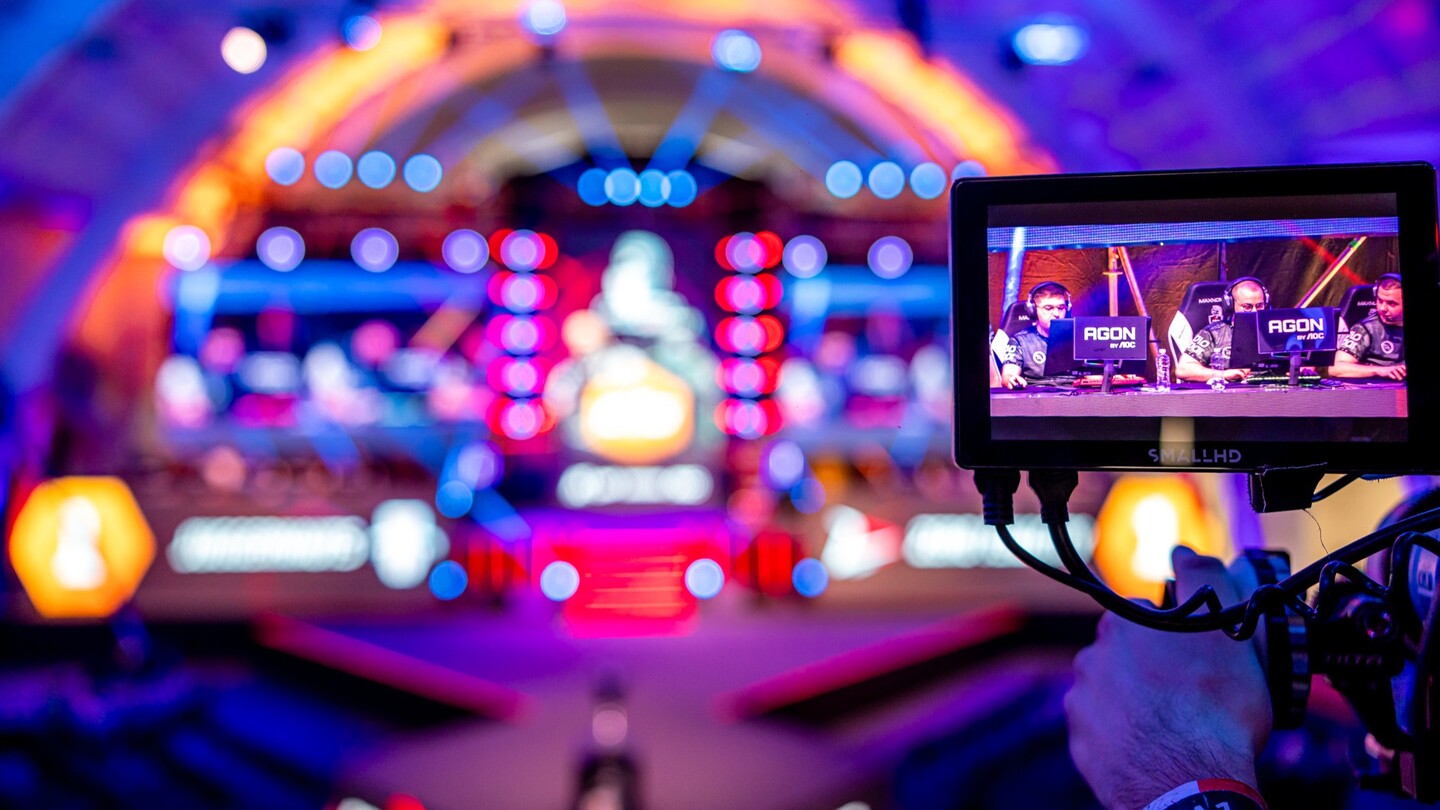
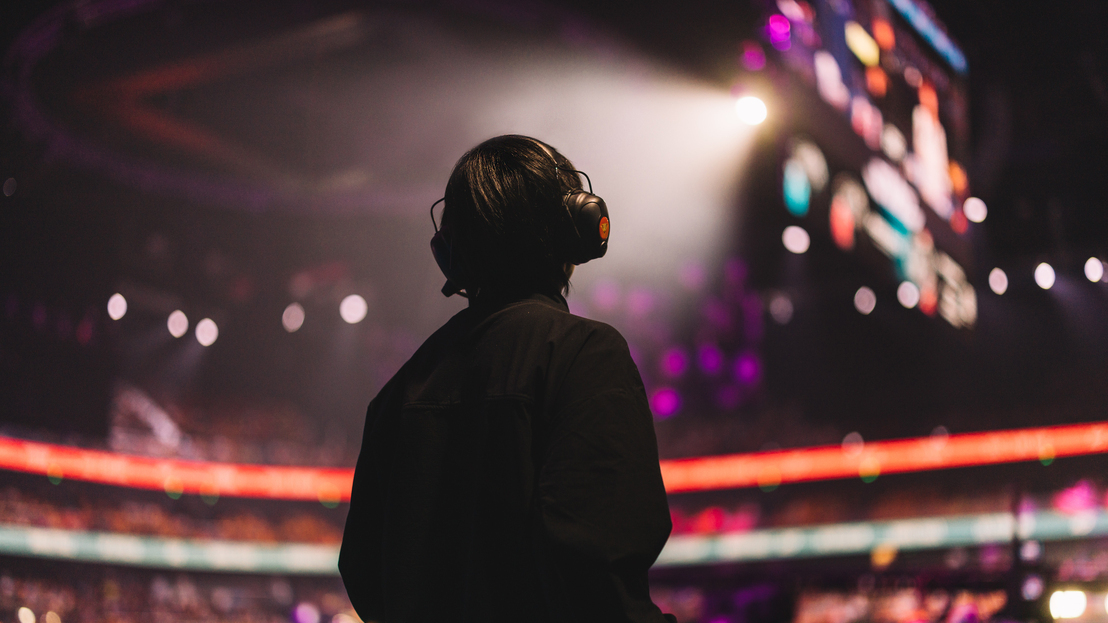
Esports production shares many qualities with live sports, but sound engineering is a whole new game. IBC365 explores the complexities of controlling who hears what in a crucible of noise.
Sound has always played a major part in the gaming experience. Gunshots, revving engines and screeching tyres are the obvious aural signatures of shoot-’em-ups and auto-based games but supporting these are subtler backgrounds and atmospheres that help create the various environments in which players find themselves. All this carries over to the large-scale, multi-player, arena-based world of esports, but the live, professional nature of this increasingly popular form of game-playing calls for specific audio techniques that set it apart from its home counterpart.
The main difference is the scale, with the games taking place in an arena and involving a large number of people, all of whom need to hear what is going on. Cameron O’Neill, Country Manager for broadcast facilities company NEP Japan, divides those involved into three categories: the sports group, comprising the competitors and their support teams (coaches and backup players) plus the referees ensuring everyone plays by the rules; the audience, live production teams and the announcers/commentators, known in esports as ‘shoutcasters’; and the broadcast and streaming crews producing coverage of the events...
You are not signed in
Only registered users can read the rest of this article.

RTS Convention: “The prize for standing still simply isn't an option”
AI was largely sidelined at the annual RTS gathering where the fate of public service media took precedence. Adrian Pennington reports.

Content Everywhere at IBC2026: AI moves from hype to action
Companies from across the Content Everywhere ecosystem highlight what they see as some of the most promising industry developments at IBC2026, while calling out areas where they think the industry has room for improvement.
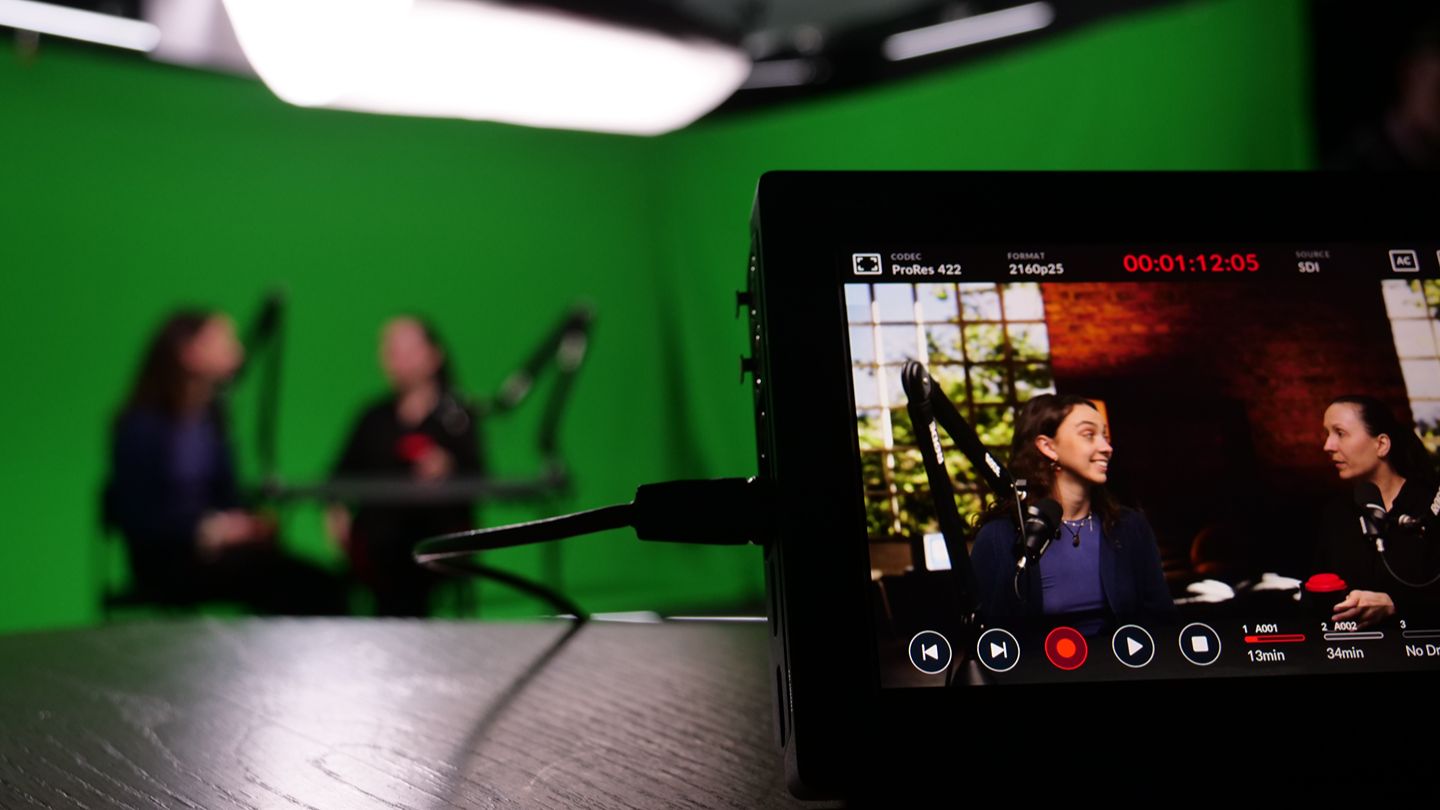
How virtual sets are changing the shape of podcast production
One podcast session can now feed a much wider content package spanning audio and video. Rob Chandler, Founder, CEO, The Dean Street Podcast Studio, explains how that changing demand shaped the studio he built in central London.
.jpg)
Innovation Awards: Collaboration and open standards triumph
The winners of the IBC Innovation Awards were revealed at an event at the Amsterdam RAI, honouring collaborative projects tackling some of the industry's biggest challenges.
.jpg)
IBC2026: What to look out for on Day 4
As the final day of IBC2026 draws near, visitors seize the last opportunity of the year to network, solidify partnerships, and soak up the last of the available innovative learnings across IBC2025’s 14 halls