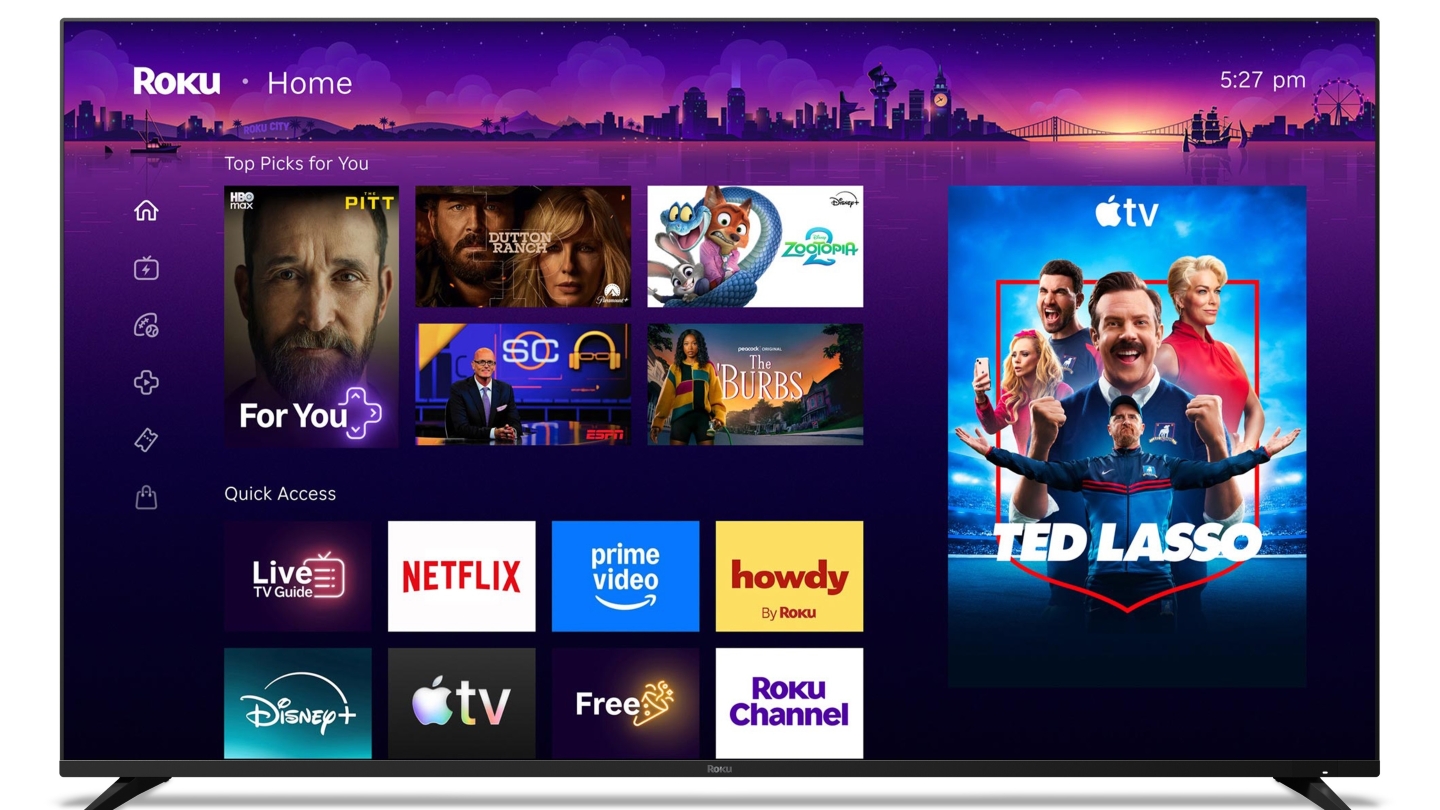
The smart TV market is increasingly being defined by operating systems (OS), advertising inventory, and user viewing data, according to a new report by Omdia.
Omdia’s report says that the smart TV data and platform war has evolved rapidly over the past three years.
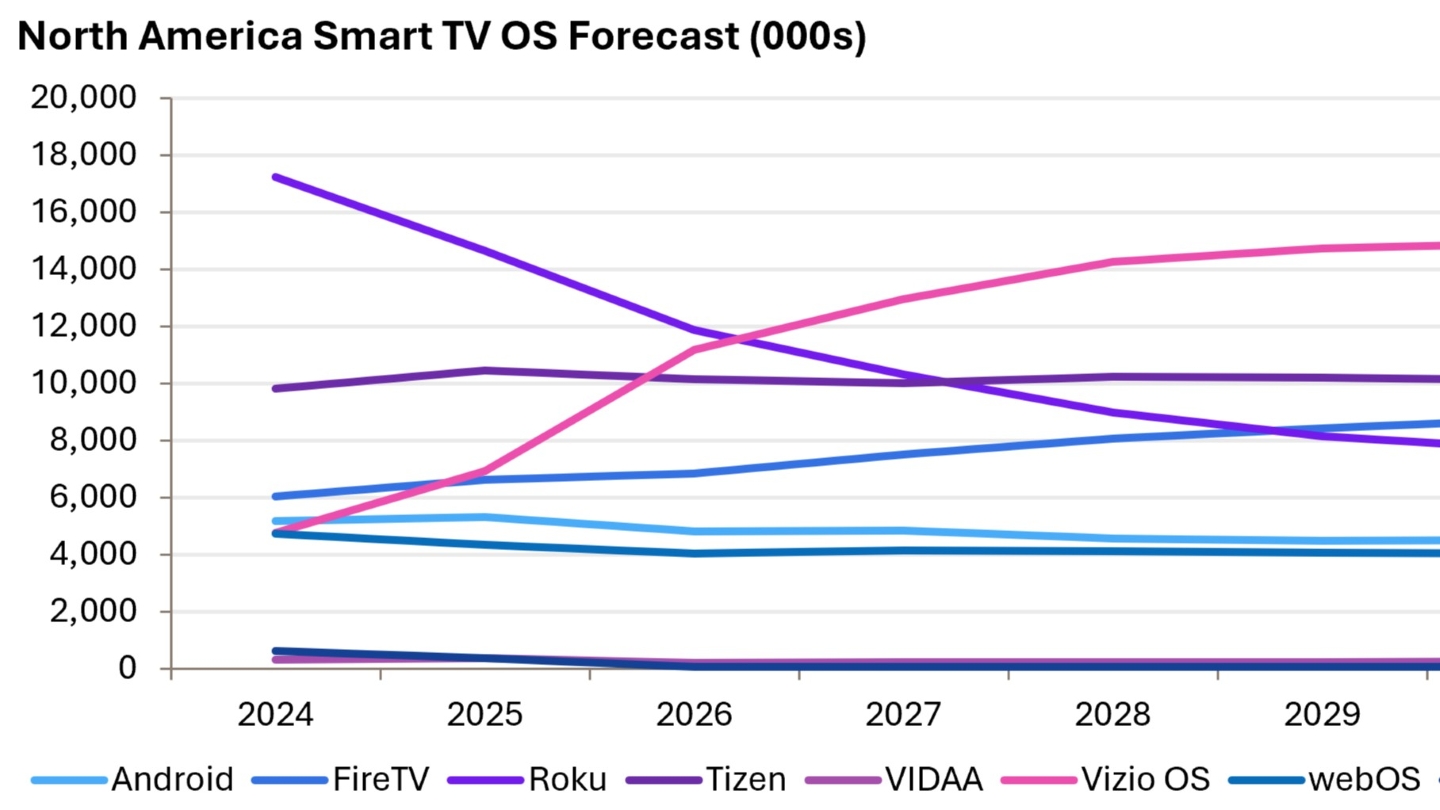
It began with Walmart’s move into the market with its 2024 acquisition of smart TV manufacturer Vizio.
Walmart has since withdrawn Vizio from all third-party retail channels, repositioning it as an exclusive private brand available only at Walmart and Sam's Club.
Omdia stated the acquisition was not simply about expanding Walmart’s hardware business but was a way for the retail giant to “seize control of living room screens and consumer data, with the aim of accelerating e-commerce growth and creating new advertising revenue streams.”
This transaction reflects the difficult market reality facing TV hardware, where device sales alone can no longer generate significant profit.
“Ultimately, the competitive landscape of TV OS is shifting from a battle among TV manufacturers into a broader contest involving retail, media, and technology companies,” said Omdia.
In the past, the OS war was led by big tech companies and traditional TV vendors, including Google (Android TV), Samsung (Tizen), and LG (webOS).
Meanwhile, Chinese manufacturers are driving down prices on ultra-large-screen TVs and steadily capturing global volume share beyond their home market.
Leading European broadcasters have called on the European Union to toughen regulation of smart TVs and virtual assistants powered by tech firms such as Google, Amazon, Apple, and Samsung. Discover more here.
David Ellison names leaders for Paramount-WBD empire “Skydance”
Once finalised on 6 October 2026, the merged Paramount-Warner Bros. Discovery company will be named “Skydance” and answer to Ellison's new CEO Leadership Team.

Arqiva appoints Simon Duffy as Chair
Broadcast infrastructure firm Arqiva has appointed former NTL CEO and Orange CFO Simon Duffy as Chair of its Board.

UK MPs set out BBC funding plan, warning of ‘fork in the road’ moment
The BBC should explore new ways to raise revenue, make better use of its buildings to support the creator economy, and spend more wisely when competing for programming, according to a group of UK MPs.

Ynon Kreiz named as co-CEO of combined Paramount-WBD as judge approves deal
A California judge has formally approved Paramount Skydance’s settlement with California and other states, clearing the final hurdle required for it to close its $110bn acquisition of Warner Bros. Discovery (WBD).
Netflix to expand ad supported plan in Europe
Netflix’s ad supported plan is to expand to nine new European countries next year.