
Streaming audiences are waiting longer for the return of original shows, with the gap between returning series nearly doubling since 2020.
According to Ampere Analysis research, the average gap between seasons of scripted originals has risen from 12 months in 2020 to 21 months in 2025. The research found that despite the longer wait for the return of originals, viewers remain surprisingly loyal.
The report concluded that the long gaps between seasons may actually lead to higher engagement with existing audiences, often rewatching earlier seasons to refresh their memories, and new audiences discovering shows during the gap between releases.
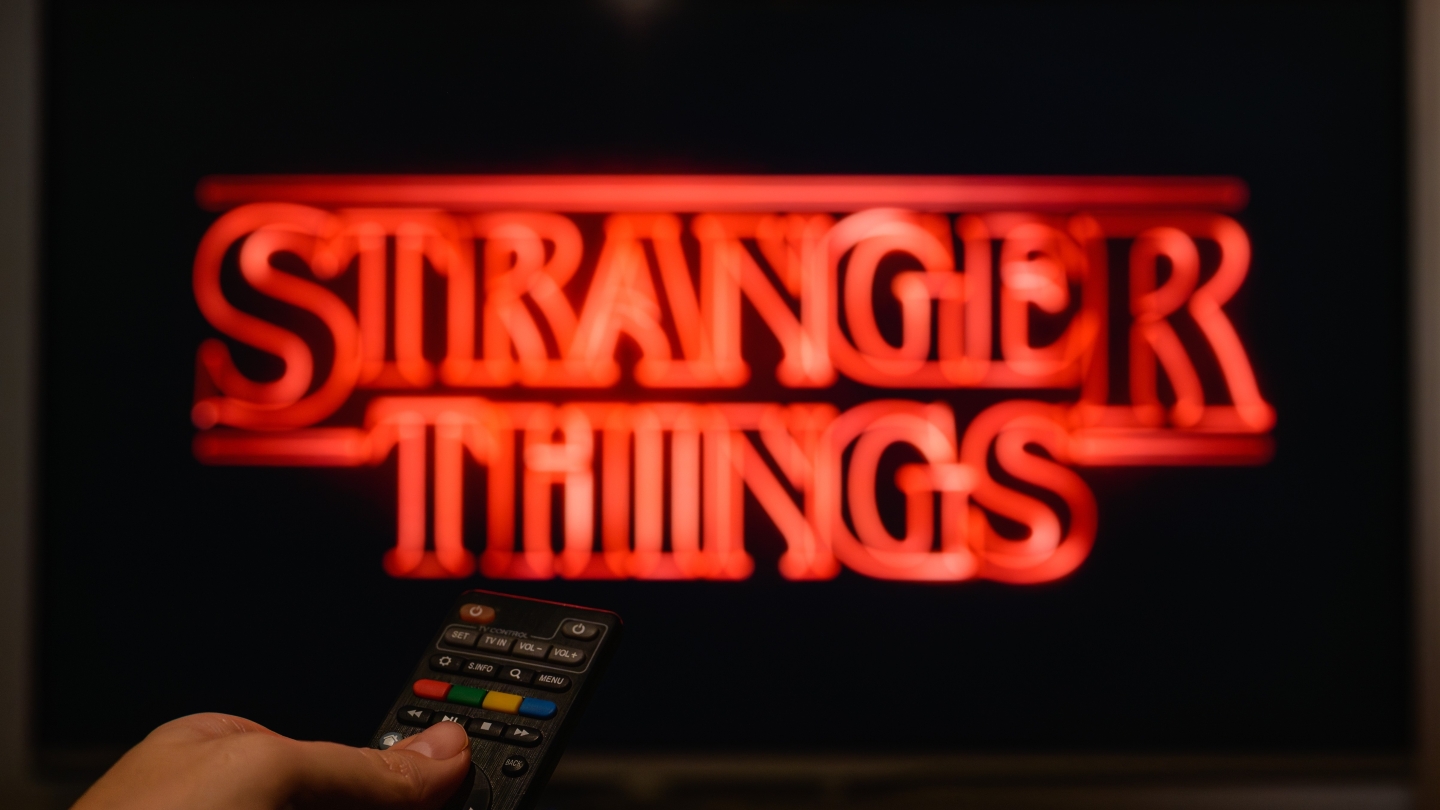
For example, Ampere said viewing of Stranger Things rose by 300% in the first half of 2025, ahead of the release of its fifth and final season. Additionally, the researcher noted that particularly strong viewing of Season 1 suggested both new viewers discovering the series and existing fans revisiting earlier episodes.
Further, after analysing Internet search activity, Ampere Analysis determined that original shows with gaps of over 30 months between seasons achieved the highest engagement in the premiere month of the new season. Shows including Apple TV’s Severance and Netflix’s Wednesday generated almost twice the average engagement levels despite lengthy waits between seasons.
The engagement levels often depend on genre, though. Sci-fi and fantasy titles, often involving complex, high-budget productions, perform well despite long waits between seasons. By contrast, comedy audiences are less willing to tolerate extended gaps, while crime and thriller content performs consistently across a range of release patterns.
Despite strong engagement with returning shows, Ampere warned that long gaps create risk. Long waits between seasons leave streaming platforms vulnerable to churn and encourage audiences to only subscribe when their favourite shows return. Specifically, Ampere found that, in Q1 2026 in the US, 54% of respondents said they would be likely to cancel a service subscription if they were not using it often enough.
The findings come as demand for high-end, blockbuster-style content has significantly extended production timelines.
Christen Tamisin, Senior Analyst at Ampere Analysis, elaborated: "Many original shows build highly dedicated audiences that remain loyal despite increasingly long waits between seasons. However, streamers need to balance blockbuster production timelines against a steady flow of content. Extended gaps may generate anticipation around flagship titles, but they can also encourage audiences to cancel subscriptions and return only when major shows are back on screen."
Global streaming subscription revenue recently surpassed $150bn for the first time in 2025, according to new research from Ampere Analysis. Discover more here.
/2. Channel 4.jpg)
Channel 4 launches instant advertising platform
Channel 4 Sales has launched Instant Re4ch, an advertising proposition intended to offer prioritised planning across Channel 4 Sales' portfolio, guaranteeing peak spots across Channel 4, Paramount, and UKTV channels on the same evening.
.jpg)
Netflix scores exclusive rights to 2030 World Cup in Spain
Having secured exclusive rights in Spain and Andorra to the 2030 World Cup, Netflix will show the men's football tournament for the first time.
 (2).jpg)
Ben Frow, Head, Channel 5, to step down
Ben Frow will step down as Paramount UK’s Chief Content Officer next year, after 14 years of overseeing Channel 5 and its digital brands.
 (2).jpg)
UK “minded to intervene” in Sky-ITV deal
UK Culture Secretary Lisa Nandy has said she is "minded to intervene" in Sky’s £1.6bn deal to buy ITV's media and entertainment division.
.jpg)
BBC News channel launches on YouTube in the UK and USA
The BBC has revealed that its BBC News channel will stream live on YouTube in both the UK and the USA from Thursday 15 October 2026.
.jpg)