
IBC2023: Formula 1 wanted to let fans get closer to the racing experience, so they launched a digital platform, F1 TV. This enables the company to build direct relationships with fans, gain insights into consumer behaviour and create new revenue streams. The F1 TV service lets viewers tailor their experience, switching between live streams from track-side and on-board cameras. AI-generated, real-time subtitles in multiple languages support the global fanbase. A vision this grand comes with challenges, though, and in this session we’ll explore how Formula 1 overcame hurdles like video compatibility with the right systems integration.
You are not signed in
Only registered users can read the rest of this article.
.png)
FIFA’s Oscar Sanchez: “I don’t see us going back”
Oscar Sanchez, Head, Host Broadcast Production, FIFA, reveals the technological setup that delivered the organisation’s largest operation yet, covering 9,000 hours of football content across North America, Mexico, and Canada for traditional broadcasters, streamers, creators, YouTube, TikTok, and XR.
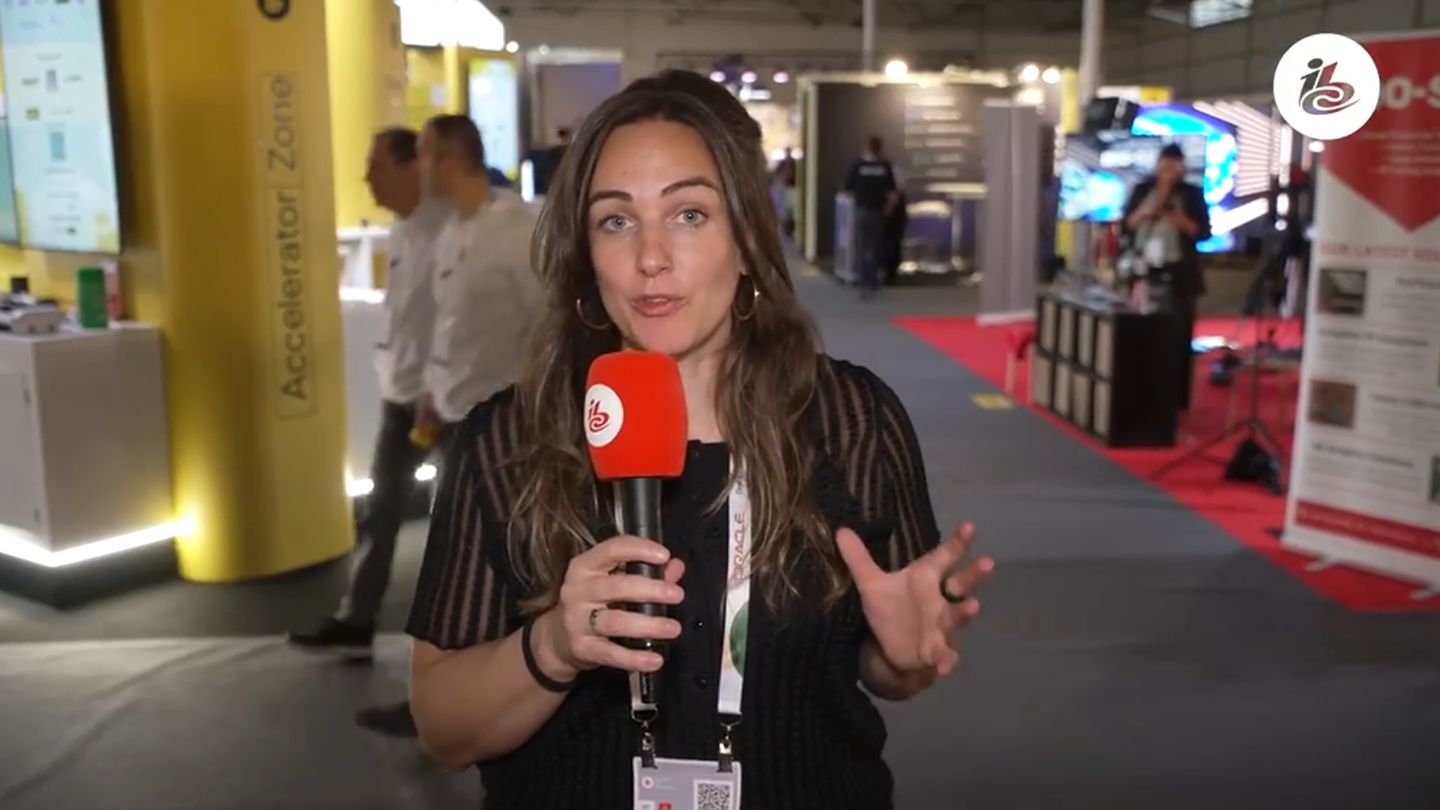
A dozen AI tools, one bus: How IBC's Smart Stories Accelerator project works
At IBC's Smart Stories Accelerator Incubator, Joe Croney, Founder, CEO, HyperContent.AI, explains how a new open standard, the Story Object Model (SOM), is giving some of the world’s most prestigious newsrooms AI's speed without sacrificing editorial control.
Verizon: 5G learnings from the summer of FIFA
Fresh from building a "battle-tested" network for FIFA, Robb Juliano, Vice President, 5G Acceleration, Verizon Business Group, explores how 5G and private wireless networks are creating efficiencies and resilience for broadcasters across the media pipeline.
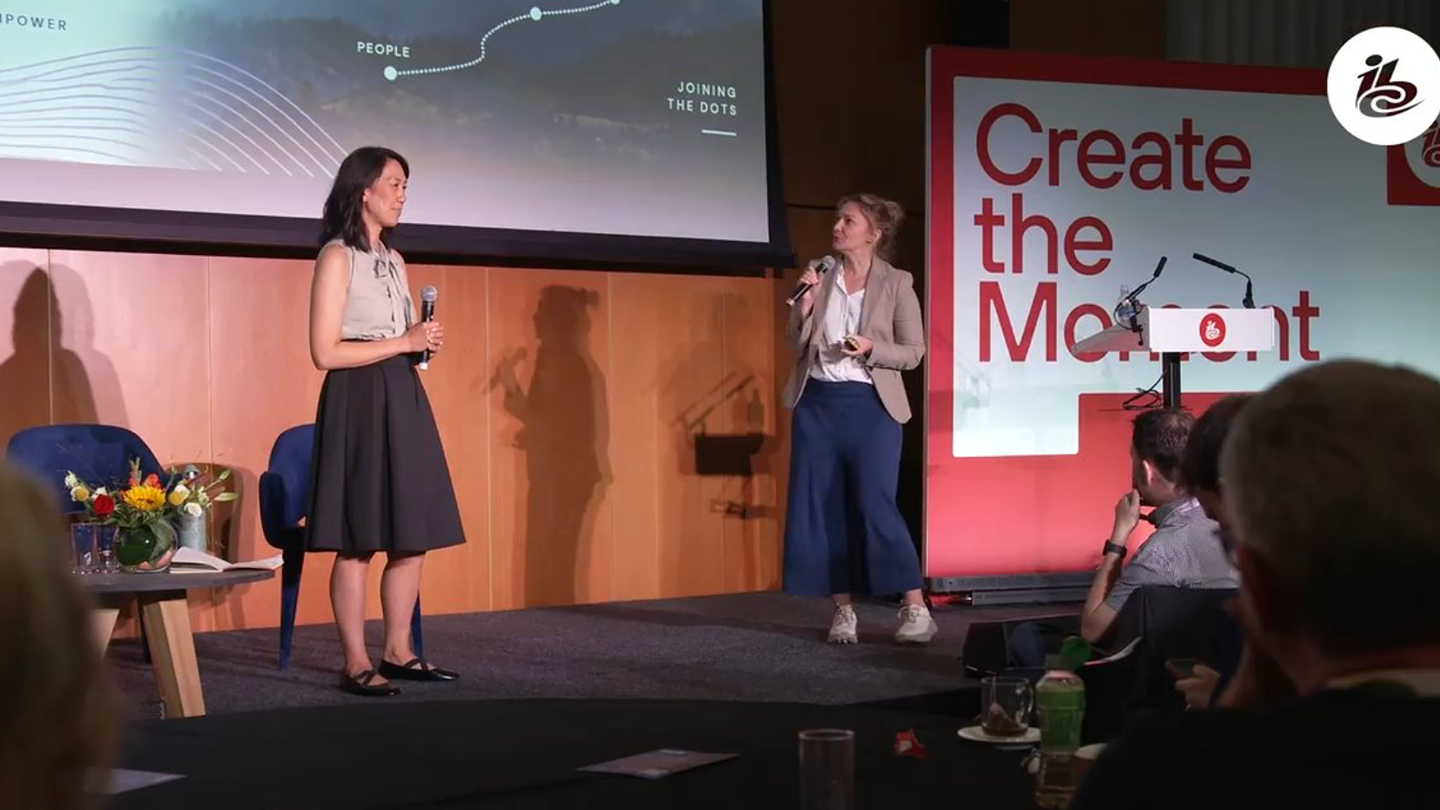
0% of students "ready for job" – IAMT report
Experts react to a new survey from the IAMT which found 0% of industry leaders think current education programmes effectively prepare candidates for technical M&E roles.
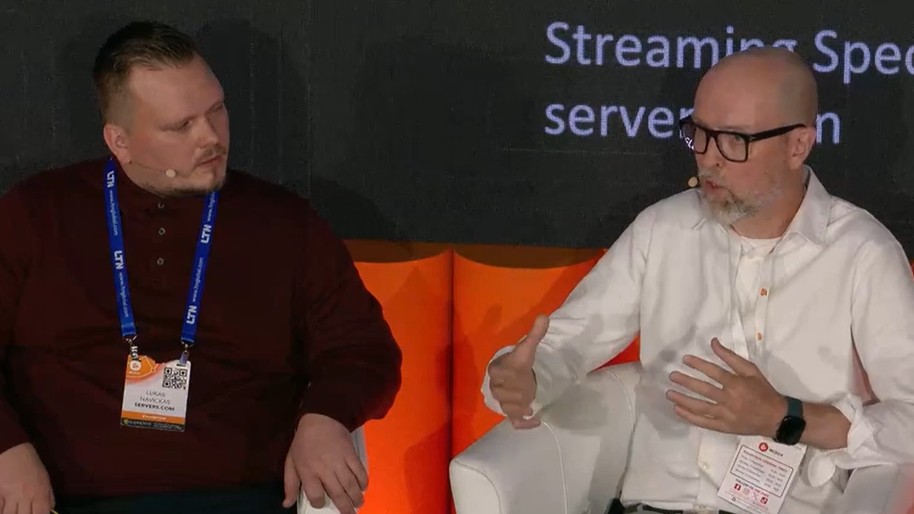
How to deliver live low-latency video at scale
Across the streaming ecosystem, demand for seamless, premium-quality live video delivery has never been higher. For live streaming platforms like nanocosmos, finding ways to guarantee low-latency video delivery at scale is paramount to ensuring high-quality end user experiences. Lukas Navickas chats to Oliver Lietz, CEO of nanocosmos about:- Real-time live streaming and its use cases- How Nanocosmos differentiate themselves in the world of live video delivery- The key challenges that come with growing a streaming platform - The role of infrastructure in facilitating live video delivery at scale.
.jpg)
.png)
.jpg)
.jpg)