
The UK government's plans to switch off TV transmitters and move to internet-only streaming are moving too fast, according to a new report to be published this week.
A TV transmitter switch-off could result in 5.4m UK households without access to any television at all in 2035, warns the report by Mathew Horsman, an independent Analyst and former Managing Director of research firm Mediatique.
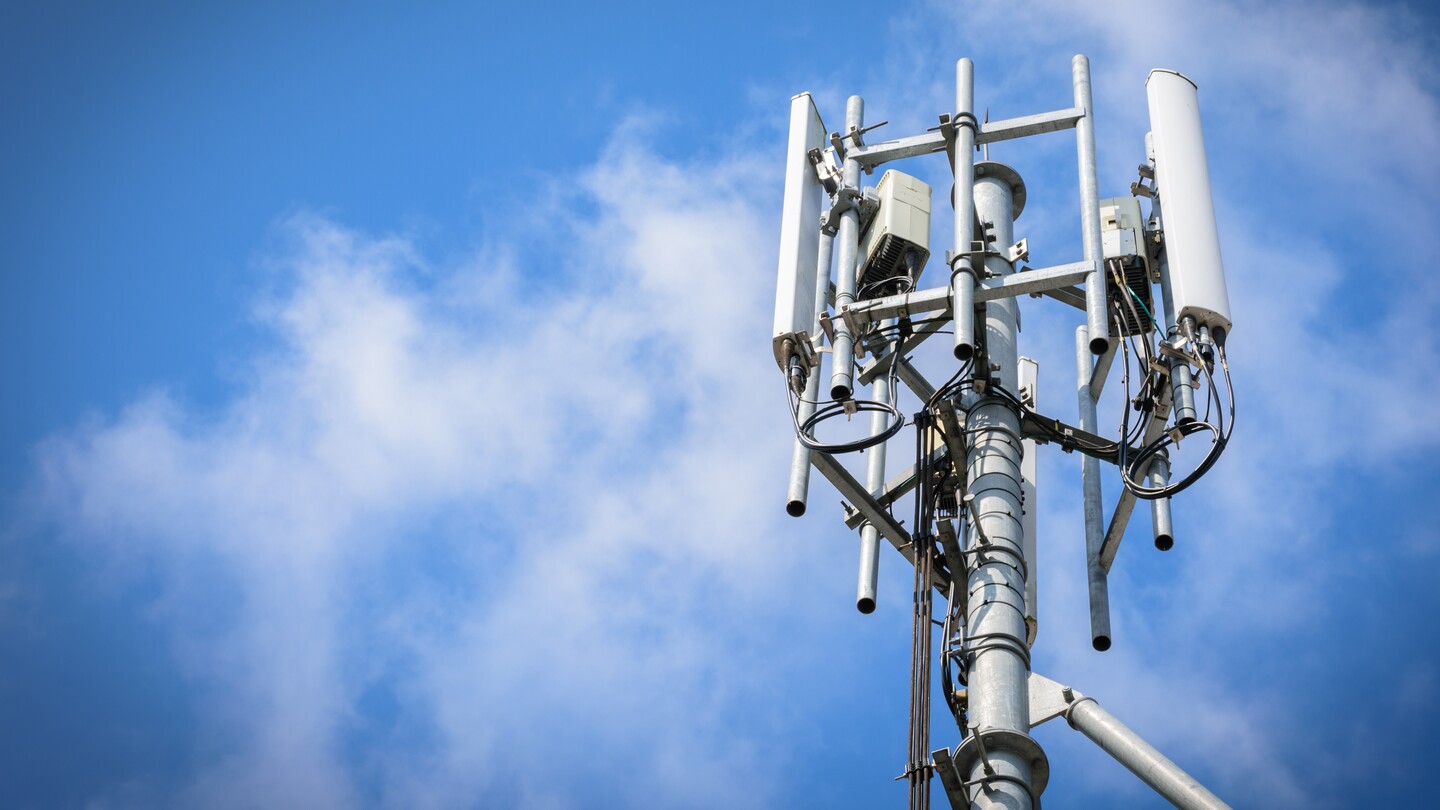
The report, the details of which were first published in The Observer newspaper, warns that around 10 million people could lose TV access.
The Department of Culture, Media, and Sport (DCMS) is set to decide on a date to switch off the country’s TV transmitters in 2026. In July 2025, media regulator Ofcom said a decision early in the year is essential “to manage an inclusive transition”.
The DCMS decision is being guided by data from a report by Exeter University that predicts 95% of UK homes will be watching TV online by 2040, and just 1.4 million, mostly older, individuals from lower socioeconomic backgrounds will depend on terrestrial.
However, the Digital Poverty Alliance, which campaigns against digital exclusion, thinks that nearly 20% of premises to be without adequate connections in 2040, owing to inability or unwillingness to pay, according to The Observer report.
The expected switch-off date of 2035 follows the end of ITV, Channel 4, and Channel 5’s current licences in 2034, the same year their contracts with Arqiva, the company that owns the UK’s TV transmitter network, finish. Tim Davie, Director-General of the BBC, said in May 2025 that the corporation wanted a switchover “in the 2030s.”
“I think the government’s being taken along by this consensus view of 2035 that the BBC is pushing and my fear is that we’re going down a route with blinders on, going hell bent for leather to get to an outcome,” Horsman told The Observer.
The UK’s Channel 5 and My5 recently relaunched as 5, uniting the broadcaster’s linear and streaming platforms under one brand. Discover more here.
 (1).jpg)
BBC licence fee could extend to streaming services
The BBC licence fee could be extended to online streaming services such as YouTube, Netflix, Amazon, and Disney+, according to reports.
 (1).jpg)
Netflix names Peter Rice as Chief Content Officer
Netflix has named veteran Hollywood executive Peter Rice as its Chief Content Officer. In this role, he will be responsible for the streamer’s content in all regions across scripted and unscripted series, film, and live events.
/2. Channel 4.jpg)
Channel 4 launches instant advertising platform
Channel 4 Sales has launched Instant Re4ch, an advertising proposition intended to offer prioritised planning across Channel 4 Sales' portfolio, guaranteeing peak spots across Channel 4, Paramount, and UKTV channels on the same evening.
.jpg)
Netflix scores exclusive rights to 2030 World Cup in Spain
Having secured exclusive rights in Spain and Andorra to the 2030 World Cup, Netflix will show the men's football tournament for the first time.
 (2).jpg)
Ben Frow, Head, Channel 5, to step down
Ben Frow will step down as Paramount UK’s Chief Content Officer next year, after 14 years of overseeing Channel 5 and its digital brands.
.jpg)