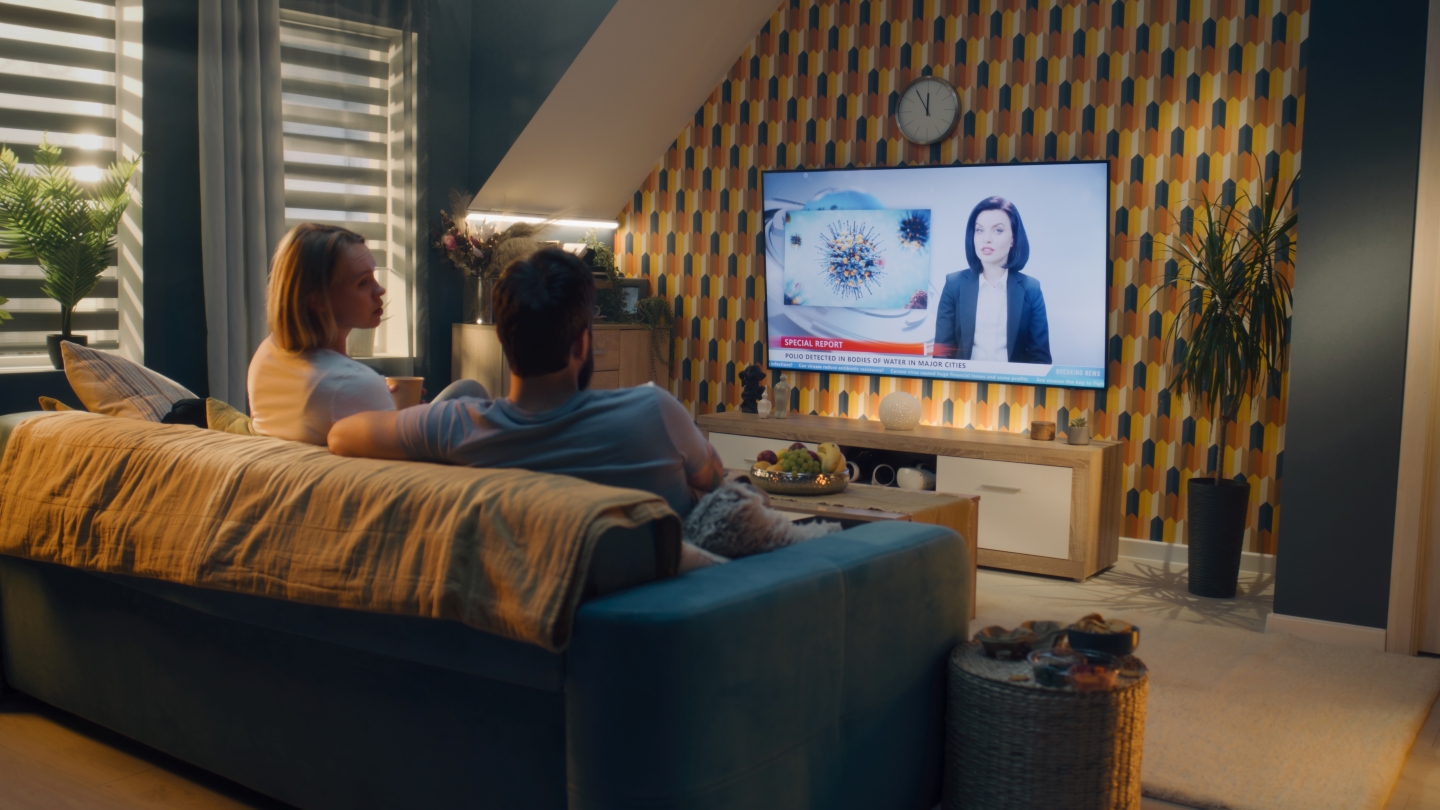
Television remains the primary news source for citizens of the European Union, according to dedicated Eurobarometer survey, published by the European Parliament.
The survey, which takes an in-depth look at media habits, found that for 71% of respondents, TV is still one of their most used media to access news in the past seven days, followed by online press and news platforms (42%).

Radio and social media platforms (both 37%) were in joint third position followed by the print press, mentioned by 21% of respondents.
37% of respondents follow influencers or content creators on social media platforms. This percentage varies widely among the different age-groups. 79% of young Europeans (aged between 15 and 24) follow influencers or content creators, while only 14% of those aged +55 do so.
48% of citizens said they trust public TV and radio stations, including their online presence, most as a news source. This is followed by the print press, including their online presence, trusted by 38% of respondents, while private TV and radio stations are mentioned by 29%.
Poland is the only EU country where private TV and radio stations are seen as most trusted news source (41%). Respondents in Hungary mention “people, groups or friends followed on social media” (28%) as their most trusted news source, together with “other news platforms including blogs and podcasts” (28%).
Compared to the European Parliament’s Media and News survey conducted in 2022, the proportions trusting traditional broadcast and print media, and their online presence, have remained nearly the same. The biggest increases for trust are seen in YouTube and other video platforms (+4pp), and influencers on social media channels (+4pp).
You are not signed in
Only registered users can comment on this article.
.jpg)
EU Sovereign AI: Collaboration crucial to AI and cloud success
Collaboration and innovation are crucial ingredients for establishing a sovereign cloud and AI ecosystem within Europe to reduce dependency on US hyperscalers, concluded an SMPTE panel at IBC2026.

Canal+ and LaLiga strike anti-piracy agreement
France’s pay-TV group Canal+ and Spanish football league LaLiga have signed a strategic anti-piracy agreement covering nearly 50 countries across Europe, Sub-Saharan Africa, and Haiti.
.jpg)
DAZN appoints three to leadership team
Sports streamer DAZN has made three key hires to its executive leadership team, saying they would help drive the next phase of the group’s growth.
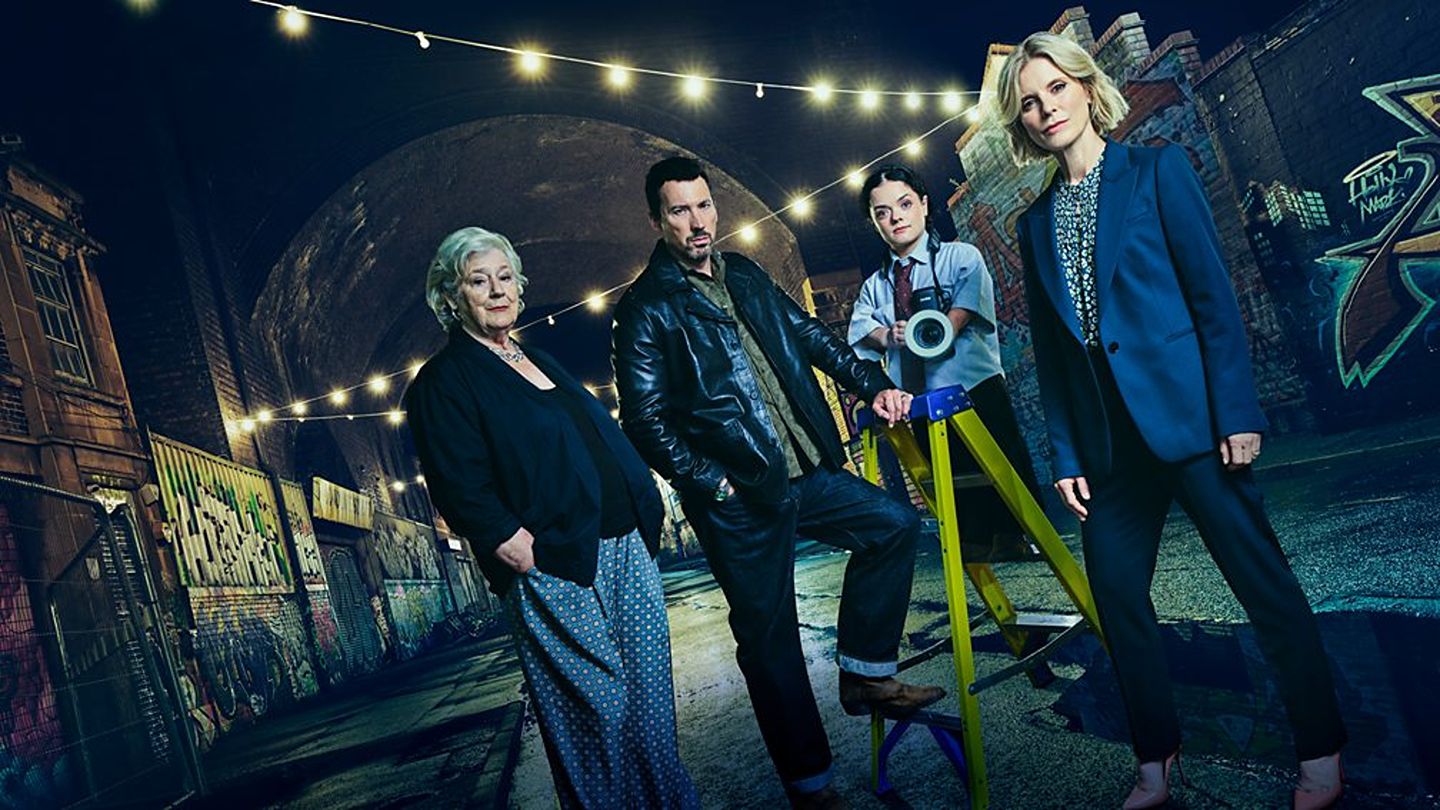
BBC puts Silent Witness out to tender
The BBC has put its long-running drama Silent Witness out to tender to independent production companies, making it one of the biggest-budget shows that the BBC has put out for tender.
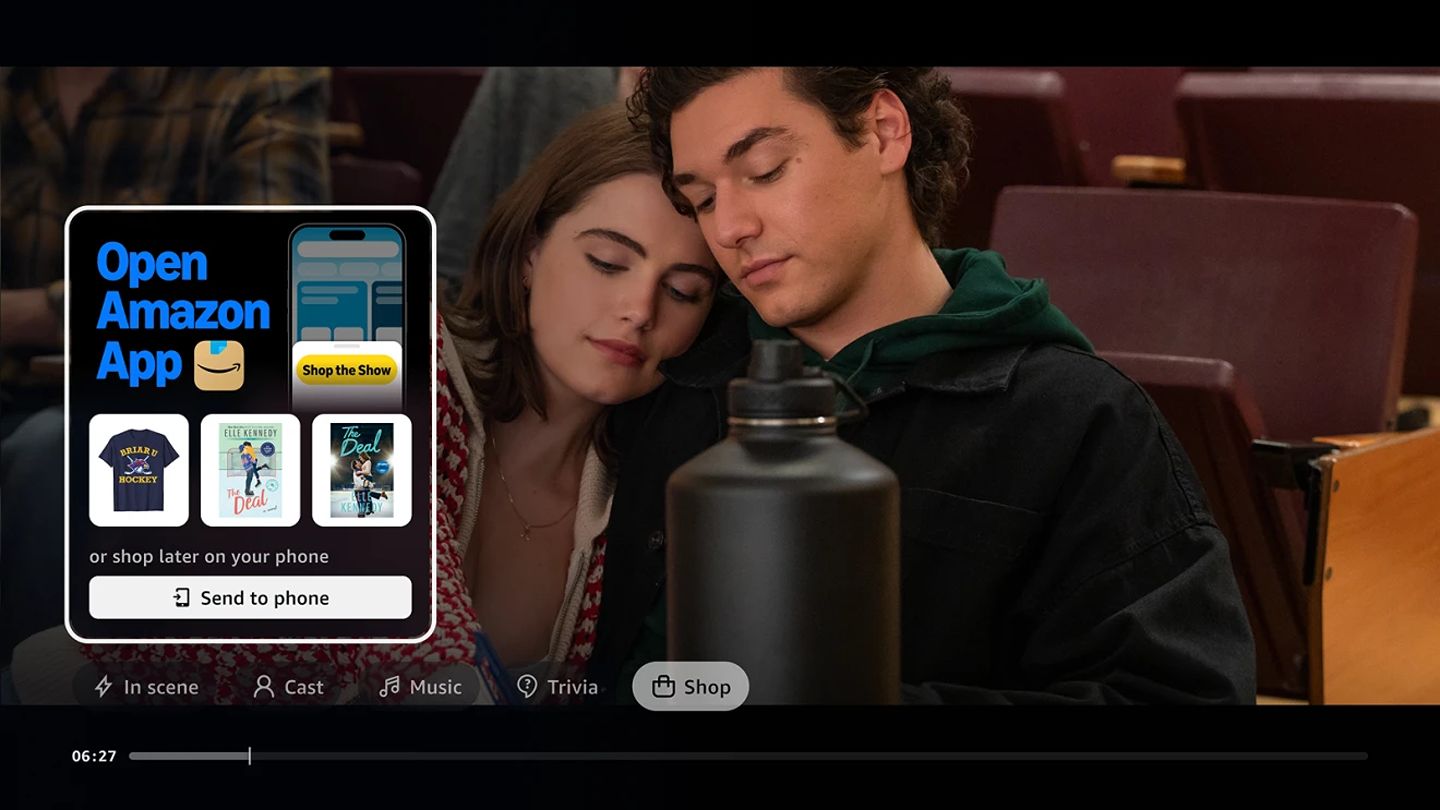
Prime Video expands Show the Show feature
Amazon Prime Video has rolled out its Shop the Show feature to more than 8,000 titles.
.jpg)