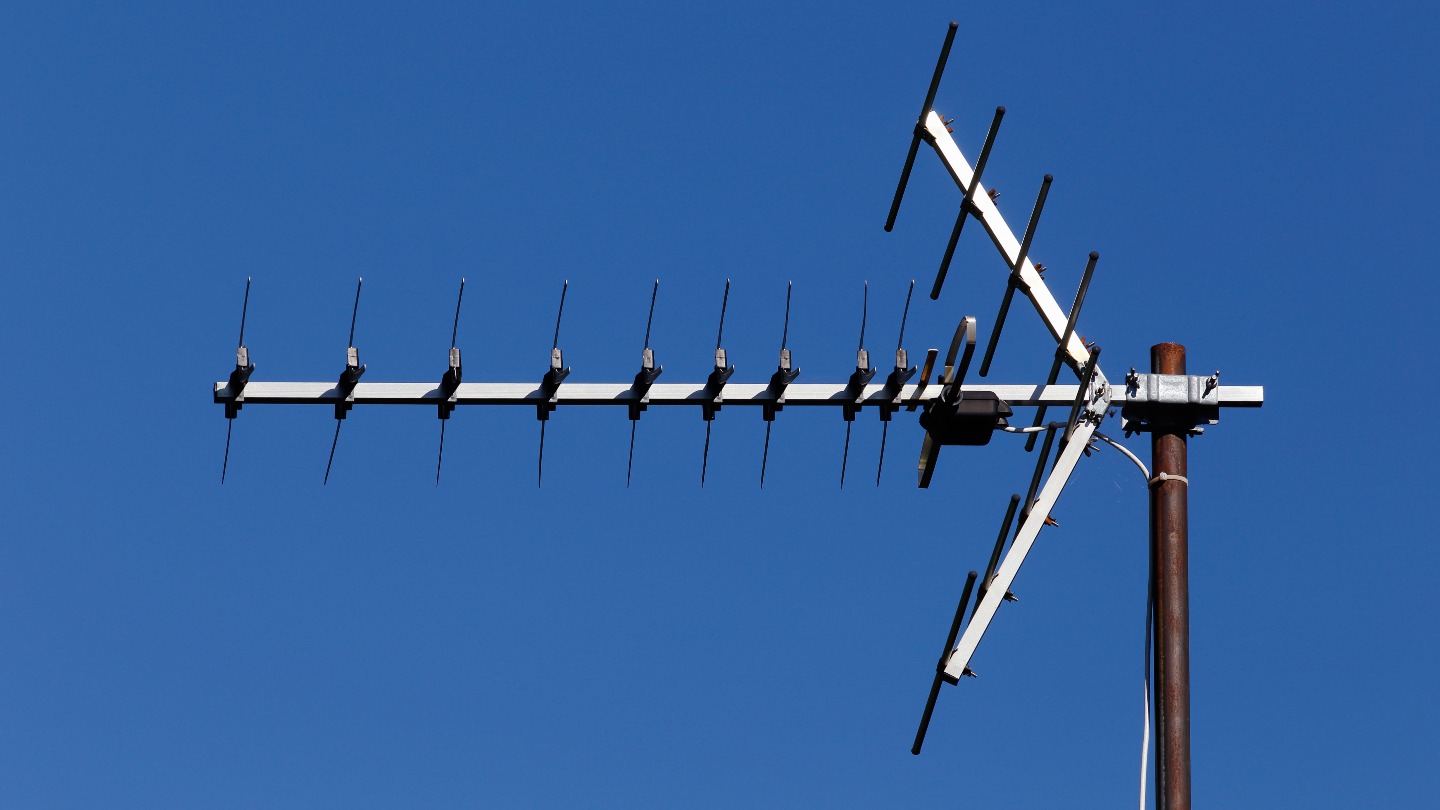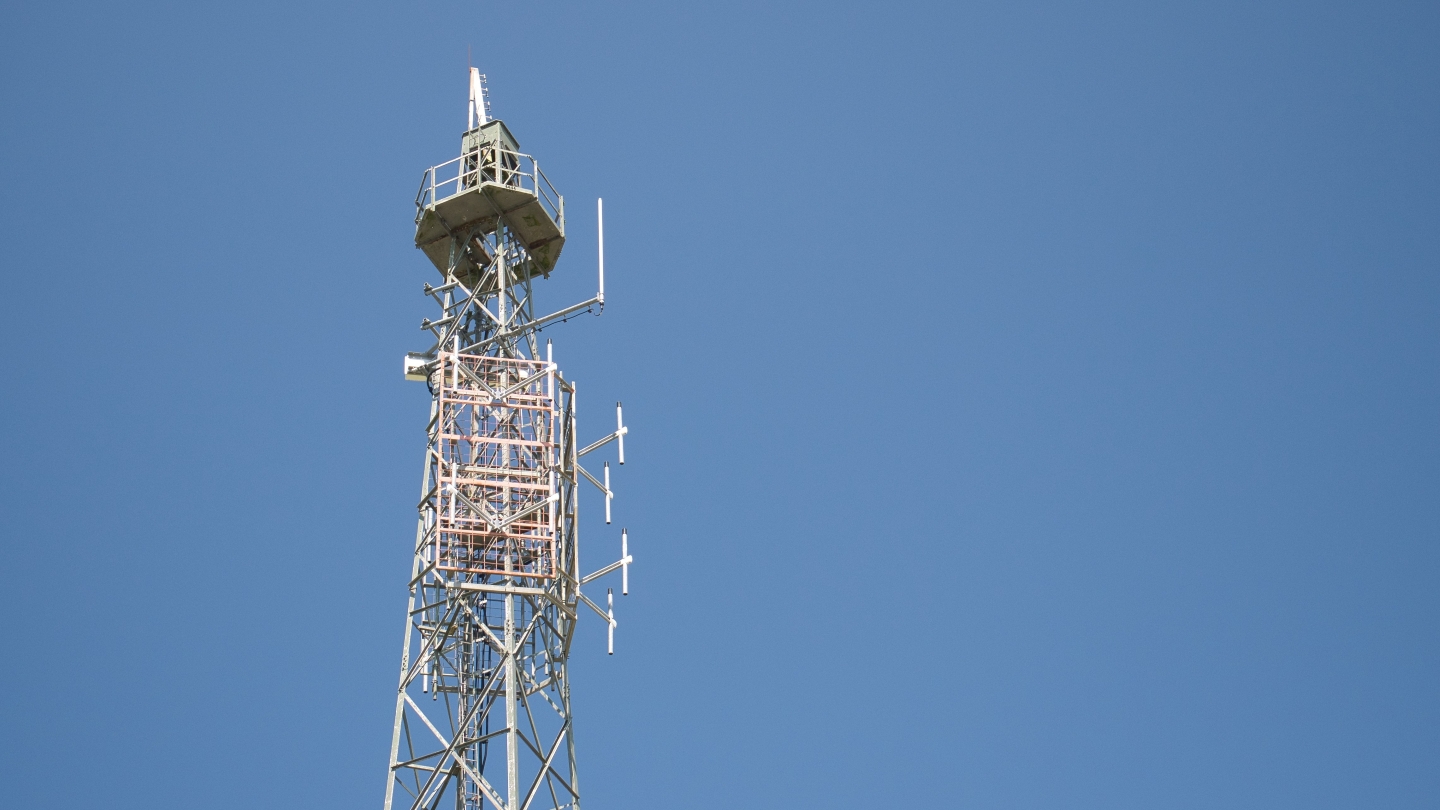
Switching off Freeview in the 2030s would be far more complex, costly, and risky than the UK’s digital TV switchover, according to a report by Christy Swords, the former Director of Change at ITV Broadcasting, who was involved in the original process.
The report comes as the UK government considers proposals to switch off terrestrial television and move to internet-based services by 2034.
Titled A false comparison: Digital switchover and Freeview switch off and backed by the Broadcast 2040+ campaign, the report warned that claims that a future Freeview switch off would be “just like” digital switchover are misleading.
It noted that by the time analogue signals were turned off between 2008 and 2012, most households had already moved to digital TV, leaving only a small number needing limited, one-off help. However, around 10 million homes still use Freeview, many of them alongside streaming services.
The UK Government’s own estimates suggest five million or more homes will still rely on Freeview in 2034.
The report also cautioned that switching off Freeview would force millions of households to buy new equipment, scrap existing devices, and potentially upgrade broadband to keep watching live TV. Older and lower income viewers without broadband or a connected TV could face new ongoing costs of more than £300 a year, on top of the BBC licence fee.
It concluded that an early switch off could shift significant costs from broadcasters onto consumers and taxpayers, with public support potentially running to hundreds of millions of pounds a year.
Swords is the Founder of Swords Consulting. He was Director of Regulatory Affairs at ITV in the run up to digital switchover and served on the board of Digital UK, which led the process for the industry. He also served on the boards of Freesat, Digital 3&4, and YouView, and is a former Chairman of ITN.
The Broadcast 2040+ campaign, which is backed by a number of industry organisations, has called on the government to extend the future of Freeview services beyond 2034 and into the 2040s.
Swords said: "Switching off Freeview as early as 2034 would be an unprecedented gamble with a service that millions of households depend on every day. The costs and risks involved are of a different order of magnitude to digital switchover (DSO).
"Early Freeview switch off might save broadcasters money at the margin, but it would shift significant costs onto UK consumers and taxpayers. Thankfully there is an alternative: extending Freeview beyond 2034. The government should confirm that it will not leave any viewers behind and will extend Freeview into the 2040s."
Lisa Nandy, the Culture Secretary, and Liz Kendall, the Technology Secretary, have reportedly signed off on the proposals to switch off terrestrial TV. Discover more here.
.jpg)
RTS Mini MBA expands access with flexible learning options
The Royal Television Society is expanding access to its Mini MBA in TV & Streaming Media, with standalone modules set to launch soon alongside the full programme and individual stream options already available.

IAMT Industry Impact Briefing: MediaTech has outgrown broadcast
Media technology has evolved far beyond its traditional broadcast boundaries. “It’s no longer just a sector,” said Saleha Williams, CEO, IAMT, in an IBC opening address.
.jpg)
BBC Studios and UKTV selected Full Season for playout of 53 channels
BBC Studios and its subsidiary UKTV have selected the European media services provider Full Season to deliver playout services for 53 linear channels and their VOD offerings under a new multi-year agreement.
40% of UK's small independent TV producers at risk of closure, warns IndieLab
According to an analysis of Companies House filings by IndieLab, 40% of the UK's small independent television production companies are at risk of closure within two years.
Netflix raises UK subscription prices
Netflix has raised the price of its UK subscription packages, lifting the cost of its cheapest tier by 33%.
.jpg)
.jpg)