
BBC Research and Development (R&D) is to be restructured as part of moves to help the corporation cut costs.
News of the restructure comes a week after the BBC announced plans for a reduction of around 500 public service roles by the end of March 2025.
Peter O’Kane, BBC Chief Technology Officer, said BBC R&D is to be reorganised into six teams resulting in a “sharper focus to deliver value for audiences, the creative sector and the wider industry.”
O’Kane said the changes would means consolidating some existing capabilities. “Inevitably, having this sharper focus will mean we won’t be able to keep doing everything we’re doing today.”
The six teams are:
- Applied Research Area – Artificial Intelligence: Advancing the application of Large Language Models and AI Safety by bridging AI research with other disciplines to tackle real-world challenges
- Applied Research Area – Media: Driving the transformation in the tools, streaming and distribution technologies - to ensure products and services can be delivered efficiently on internet-connected devices
- Applied Research Area – Foundation: Facilitating the shift to new ways of computing, storing and managing media and AI applications
- Propositions team: Working with BBC and industry partners to design and develop comprehensive innovative digital experiences that are ready for market
- Advisory team: Defining and influencing technology standards, innovative research roadmaps and policy and regulation
- Portfolio & Delivery team: Accurately tracking and managing the delivery of research projects
O’Kane said: “This change won’t be easy – but this refocused, smaller team will help us deliver our key objectives to support the BBC’s mission, providing value for all - while setting us for a fast-paced changing world that is increasingly digital. I’m excited that BBC R&D can and will continue to be a centre of excellence, as we help to create a BBC for the future.”
BBC R&D has a long history of innovation including noise-cancelling microphones in the 1930s, the first transatlantic television transmission in the 1950s, Ceefax in the 1970s, BBC iPlayer in the 2000s, and UHD in the 2010s.
You are not signed in
Only registered users can comment on this article.
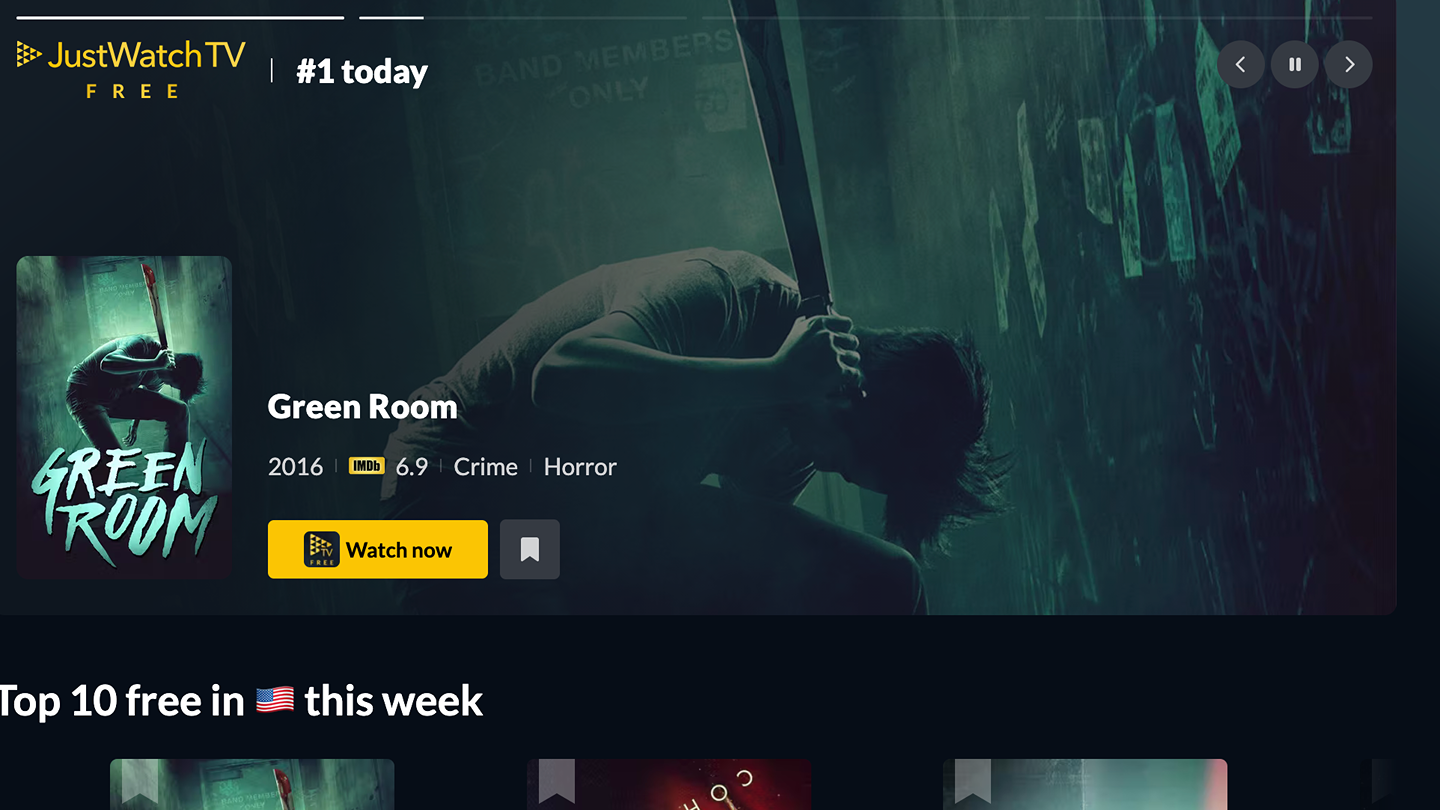
JustWatch to launch own streaming service
Reports say that JustWatch Group, which operates the world’s largest streaming guide, will launch its own streaming service, called JustWatch TV, in October.
.jpg)
CBC/Radio Canada picks Dalet
CBC/Radio-Canada has selected Dalet to modernise its news operations across Canada.
 (1).jpg)
Evergent wins API Gold from TM Forum
Evergent has achieved Gold status in TM Forum’s Open API Conformance Certification programme, advancing from the Silver status earned in the first quarter of 2026.
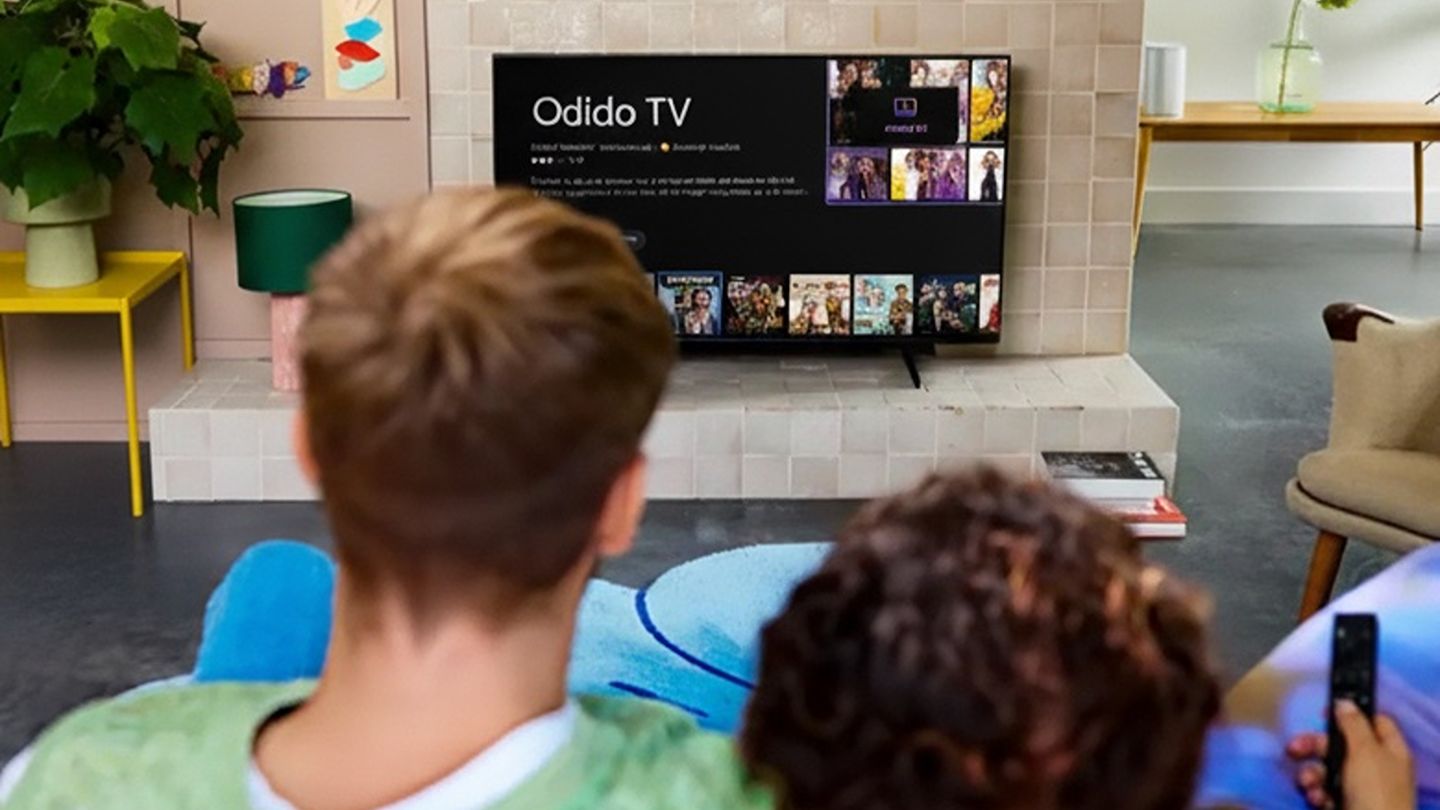
Dutch telco Odido picks Synamedia Go
Odido, a telecoms operator in the Netherlands, has selected Synamedia Go to support its TV streaming service.
Zixi extends integration with TAG Video Systems
Zixi and TAG Video Systems have announced an extended integration that enables Zixi’s live video delivery and orchestration software platform to leverage TAG’s content matching technology.
.jpg)
.jpg)
.jpg)
.jpg)