The European Broadcasting Union (EBU) has called for an update to European legislation to address challenges from big tech and AI, focusing on protecting media visibility, ensuring fair competition, and preserving cultural diversity in the EU.
The EBU made its views known in a paper that set out its position on the revision of the EU’s Audiovisual Media Services Directive (AVMSD), which regulates Europe’s audiovisual media sector.
In the paper, the EBU has called on policymakers to strike a balance between harmonising EU rules and preserving the flexibility needed for member states to adapt rules to their cultural, social, and market contexts.
Thomas Bergmann, Senior Policy Adviser at the EBU, said: “The AVMSD remains a cornerstone of Europe’s media pluralism and cultural diversity, but the challenges we face today are unprecedented. Big tech platforms, connected devices, user interfaces, and, more recently, AI slop are gatekeeping access to trusted and highly regulated media services. If left unchecked, these players risk depriving audiences of reliable journalism, culturally relevant content, and the diversity that underpins our democracies. The AVMSD must be revised with a clear strategy to preserve media sustainability and promote content that truly matters to our societies.”
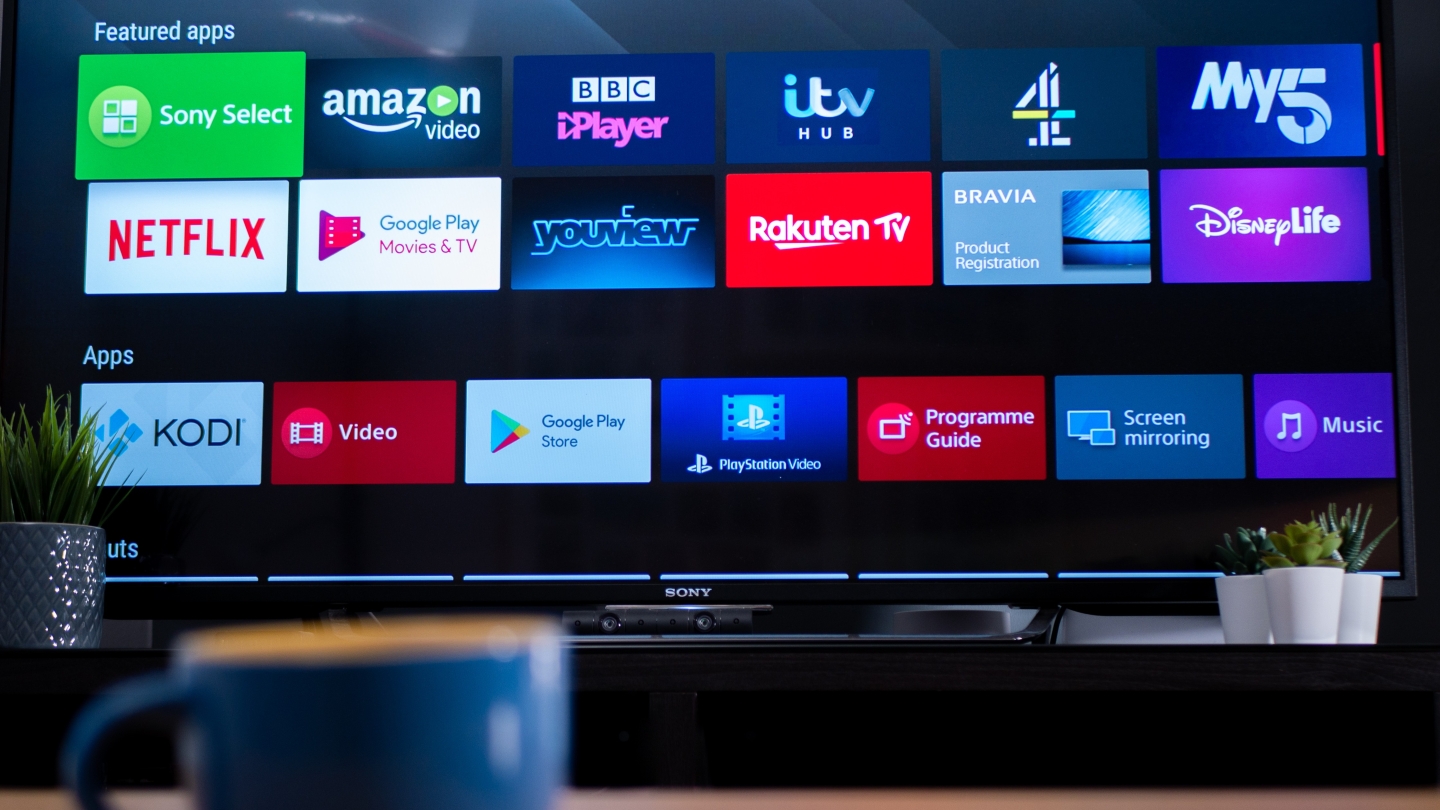
The EBU’s position paper has also identified five priority areas for the AVMSD revision. The first is the prominence of general interest media services. The organisation proposed mandatory rules to ensure that trusted content remains visible and accessible across all relevant devices and platforms.
Secondly, the EBU called for the protection of media sustainability against gatekeeping. It asked legislators to tackle harmful practices like unfair revenue sharing, ad replacements, and restrictive outlinking to empower media organisations to develop sustainable models.
The paper’s third demand was for the reduction of regulatory asymmetries. The EBU requested the alignment of the rules applied to video-sharing platforms with the stricter obligations governing audiovisual media service providers, ensuring consistent protections for audiences everywhere.
Fifth, the EBU called for the preservation of proven rules benefiting the sector, and the maintenance of key provisions promoting access to major events, short news reporting, and European works.
Finally, the organisation insisted on the importance of clarifying the legal hierarchy. In particular, it suggested establishing the AVMSD as the main legal framework for ensuring sector-specific rules take precedence over horizontal frameworks such as the Digital Services Act.
The EBU and the non-profit Alianza Informativa Latinoamericana (AIL) have formed a historic content-sharing agreement to support news collaboration between Europe, Latin America, and the Caribbean. Discover more here.
Netflix to expand ad supported plan in Europe
Netflix’s ad supported plan is to expand to nine new European countries next year.
BBC Studios hires Sally Habbershaw as President of Global Distribution
BBC Studios has appointed Sally Habbershaw as President of Global Distribution, responsible for leading the company’s worldwide content sales business.

Arqiva calls for ‘managed’ 2044 digital terrestrial TV switch off
Broadcast infrastructure firm Arqiva has called for the government to switch off digital terrestrial television (DTT) in 2044.

Canal+ CTO Stéphane Baumier appointed Chairman of Irdeto
Stéphane Baumier, Chief Technology Officer at French pay-TV giant Canal+, has been named Chairman of Irdeto, the digital platform cybersecurity company.
/3. BBC.jpg)
BBC heading for avoidable “doom spiral” with constant cuts, says NUJ
The BBC risks becoming trapped in an avoidable “doom spiral,” the National Union of Journalists (NUJ) has warned ahead of a round of cuts expected to be announced next week.
.jpg)