
Nearly 400 British creatives have signed an open letter calling for an end to a “culture of open secrets” in the entertainment industry following the Russell Brand, David Walliams, and Love Island scandals.
UK stars including Natalie Dormer, Richard Armitage, and Susan Wokoma have signed the letter titled “Let’s make this a turning point,” which describes itself as “an open letter to the creative industry, from the creative industry.”
It says the creative and entertainment industries must “acknowledge the role they play in enabling the behaviour on trial and at the centre of these convictions. Not through PR-drafted statements, vague promises, or weak admissions that more could be done. But by accepting what was missed and that, collectively, the sector operates with a culture of open secrets and a belief that fame is a shield and status is a reason to look the other way.”
The letter calls on broadcasters, studios, indies, organisations, and unions to “review your processes, protect those who speak out, and become less offended by your inaction being named than you are by the actions you are being asked to recognise.”
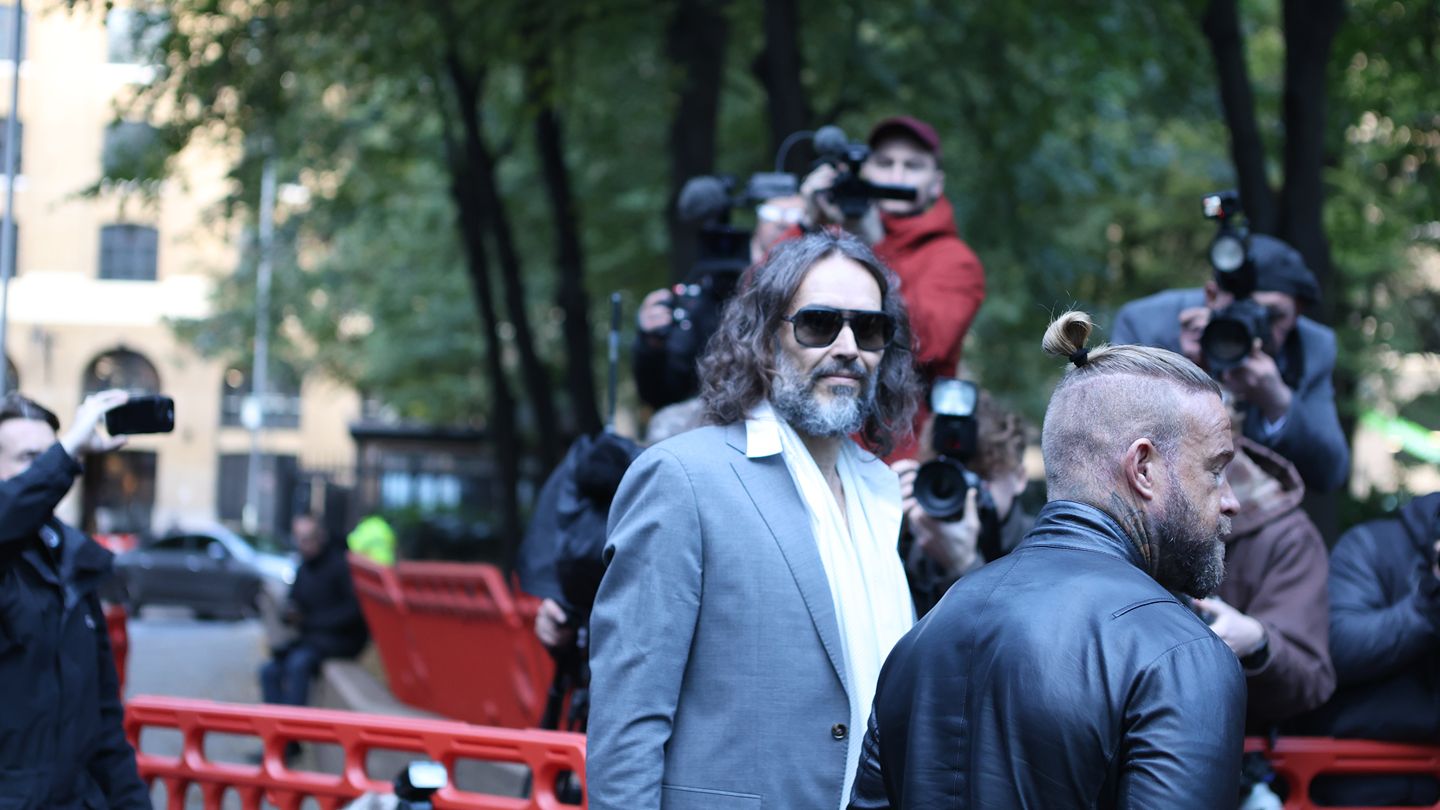
It comes as UK Culture Secretary Lisa Nandy meets industry executives this week, including BBC Director General Matt Brittin, to hear how they plan to strengthen safeguards and discuss potential new legislation to make whistleblowing easier.
Brand was jailed for 10 and a half years last week after he was found guilty of rape and sexual assault.
A day later, the Guardian and ITV News published an investigation into allegations of sexual harassment against author and comedian David Walliams, who denies the allegations.
Earlier this month, Channel 4 axed Married at First Sight UK after rape allegations.
The letter was organised by Writer, Actor, and Producer Ben Fletcher along with Actor and Campaigner Alexa Morden, who hosts the industry podcast named The 98%.
The letter in full:
Let's make this a turning point
The sentencing of Russell Brand is not a turning point.
To afford such a label would be to ignore that it has taken some 17 years for justice. To ignore that one witness became the victim of death threats online. To ignore that the rapist’s own lawyer found it necessary to refer himself for aggression towards the journalist who uncovered his client’s behaviour.
For this to be a turning point, the creative and entertainment industries must first acknowledge the role they play in enabling the behaviour on trial and at the centre of these convictions. Not through PR-drafted statements, vague promises, or weak admissions that more could be done. But by accepting what was missed and that, collectively, the sector operates with a culture of open secrets and a belief that fame is a shield and status is a reason to look the other way.
This cannot be dismissed as a one-off. Not when, this very week, allegations against another have been made public. Not when open secrets persist, and the next documentary is already in pre-production.
And the industry cannot mistake the lack of formal reporting for the absence of systemic abuse when many victims feel able to share their stories only quietly, too often prefixed with “I have nowhere else to go,” and the name of the union or organisation that failed them.
A perpetrator being a friend, a boss or a mentor does not and must not be allowed to invalidate the experience of victims. Fear of retaliation and loss of work or opportunities cannot and must not be enabled as a tool of control to shape narrative, maintain perceptions and discredit victims. And a person’s credits and notoriety cannot and must not excuse their actions or attacks on those whose voices they believe beneath them.
Too often industry leaders and organisations hide behind the idea that each case is the exception and claim it isn’t their job to fight this abuse. But if that’s true, whose job is it?
It is not supposed to be the job of victims. It is not supposed to be the job of journalists or documentaries. It is not supposed to be the job of the few individuals who stand alone to call abusers out.
The fact is, if today’s industry were capable of change, change would have come already. It’s time now to face that we are all responsible for that change.
No one is just an actor. No one is just a journalist, a musician or another creative. No organisation is just a union, a production company or a funding body. The job of ending abuse should have to fall to nobody, and that is why it must now fall to all of us.
We call on the government to act, not debate. To increase support for victims, ensure police forces are fully resourced, and force accountability for those who know but choose convenient ignorance.
We call on industry leaders to stop telling us there isn’t a problem and start listening when we tell you there is.
We call on every union, every company and every industry organisation to stop enabling a systemic cycle of abuse, whether through unconscious inaction or deliberate distraction. Review your processes. Protect those who speak out. Become less offended by your inaction being named than you are by the actions you are being asked to recognise.
This is only the way things are because we let them be. Let’s make it a turning point.
UK regulator Ofcom recently published strengthened guidance for broadcasters about protecting the welfare of participants in constructed reality programmes, particularly those involving emotional or physical intimacy. Discover more here.
.jpg)
Apple to add video for podcasts on Apple TV app
Apple is to add video versions of podcasts to its Apple TV app.

Barbara Broccoli becomes President of UK’s National Film and Television School
The National Film and Television School (NFTS) has named film producer Barbara Broccoli as the first female President in the school’s history.
Robert Pattinson signs on as James Bond
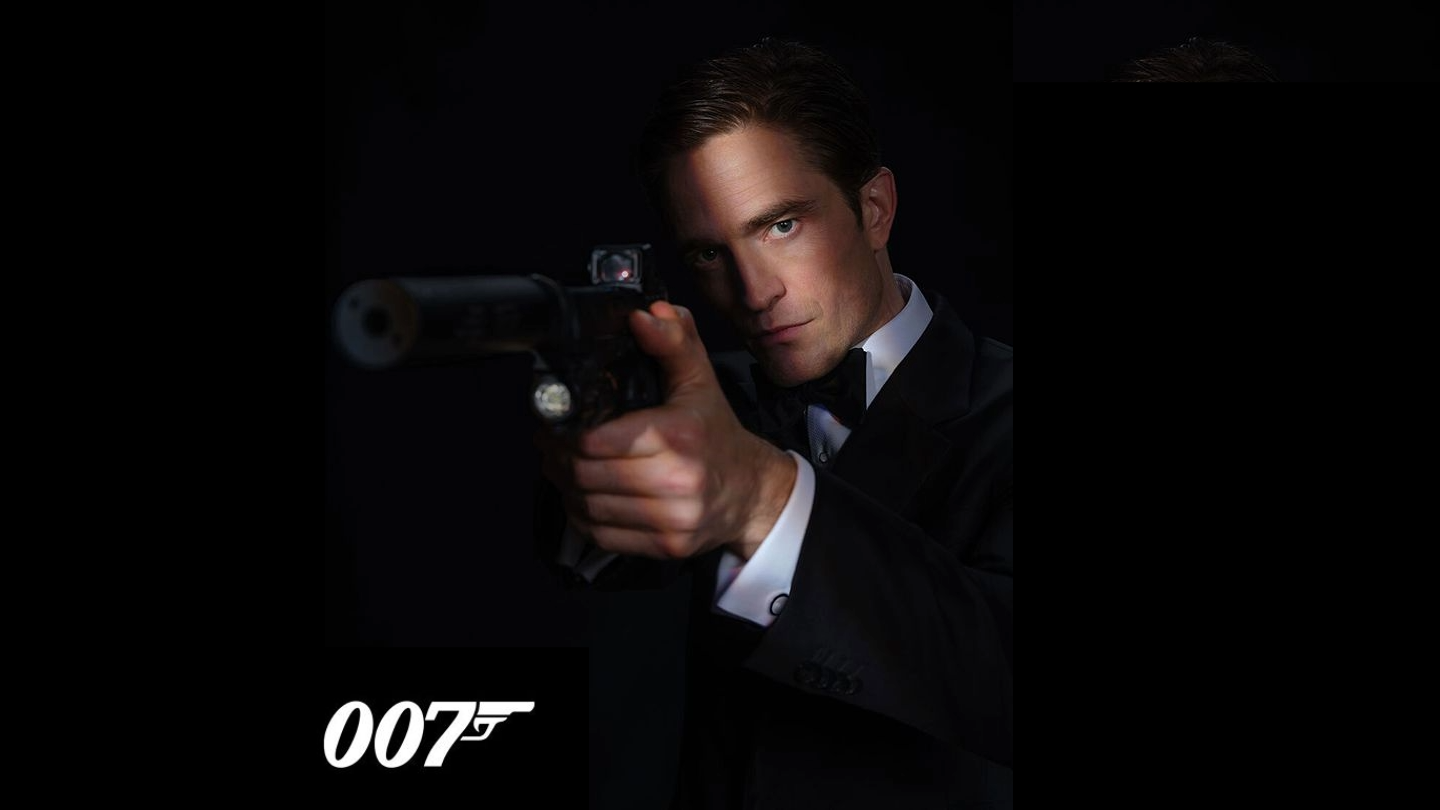
Robert Pattinson is to be the next James Bond, Amazon MGM Studios has revealed.
.jpg)
Netflix leads US SVOD rankings as HBO Max pushes past Paramount+
Netflix remains the biggest streamer by estimated subscriber numbers in the US for the second year in a row, ahead of Prime Video, while HBO Max has jumped ahead of Paramount+, according to Park Associates’ annual top 10 ranking of US SVOD services.
 (1).jpg)
Ofcom strengthens reality show welfare guidance
UK regulator Ofcom has published strengthened guidance for broadcasters about protecting the welfare of participants in constructed reality programmes, particularly those involving emotional or physical intimacy.
 (2).jpg)