
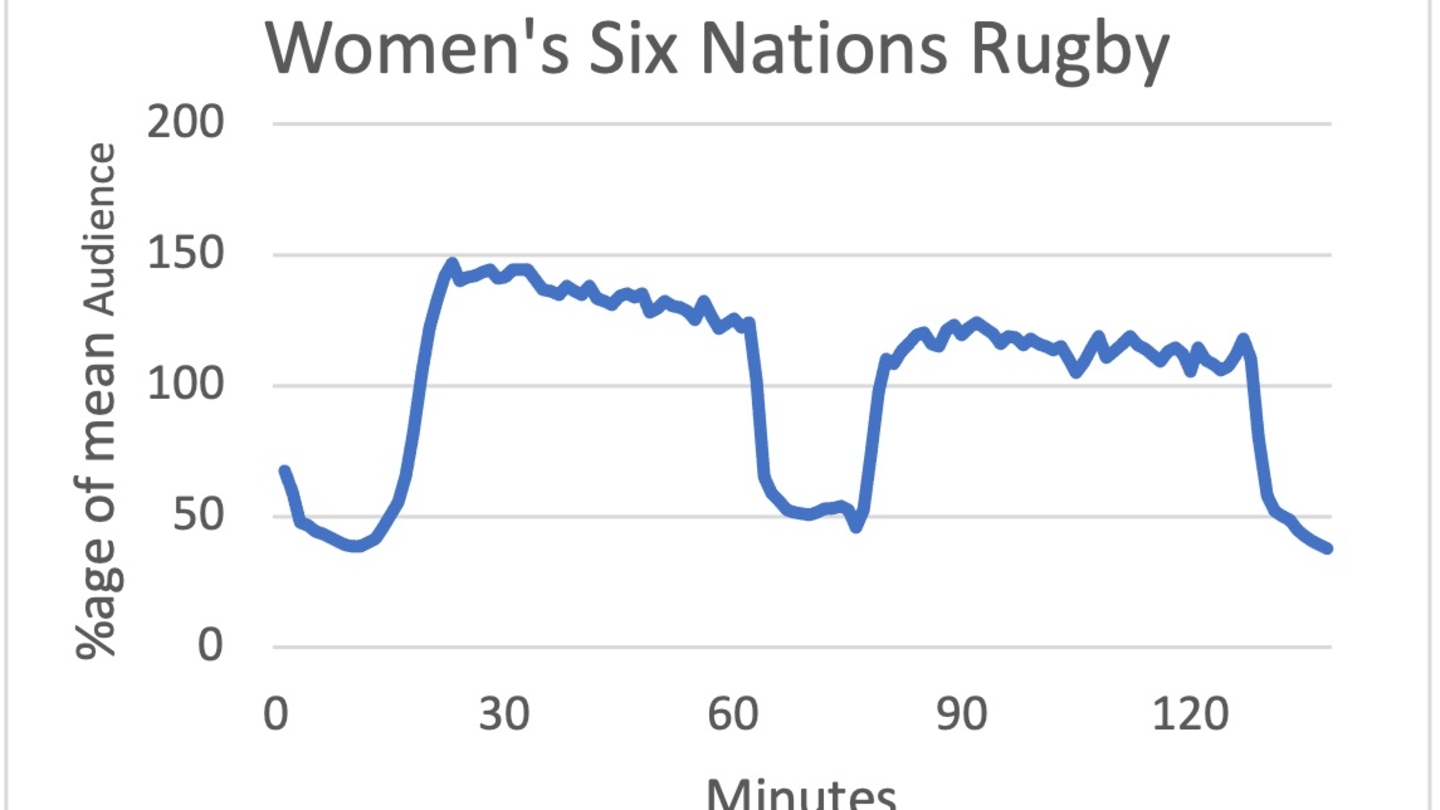
Tech Papers 2023: This paper outlines a survey of minute-by-minute audience consumption of radio and television programmes for 3-4 days post-broadcast, spanning a period of twelve months
Abstract
As more content created for television and radio is consumed on-demand,
audiences have become selective about which parts of a programme they
consume, seeking out items of interest or scrolling past parts they find less
relevant. Identifying patterns of audience behaviour with on-demand
content has provided us with insights into audience needs and how the ir
experience can be improved for post -broadcast viewing and listening.
This paper outlines a survey of minute -by-minute audience consumption of
radio and television programmes for 3-4 days post-broadcast, spanning a
period of twelve months. It describes ...
Exclusive Content
This article is available with a Technical Paper Pass
Dynamic streaming content packaging with C2PA
Tech Papers 2026: This paper presents an implementation of the approach adopted by C2PA for live video to dynamic packaging.
.jpg)
Dynamic power control for sustainable broadcast transmitter networks
Tech Papers 2026: This paper proposes an approach that uses predictive modelling in combination with real-time interference monitoring to optimise transmitter powers dynamically, with minimal impact on the consumer.
.jpg)
A standardised framework for C2PA provenance in media workflows
Tech Papers 2026: This paper presents the first standardised framework for implementing C2PA for media provenance across newsrooms of varying sizes and operational contexts.
.jpg)
Building MXL together: Progress of the multi-vendor open-source media exchange SDK
Tech Papers 2026: This paper presents the Media eXchange Layer (MXL), an open-source SDK project hosted by the Linux Foundation in collaboration with the EBU and NABA.
.jpg)
Search first, inspect visually when needed: A multi-agent architecture for semantic video archival retrieval
Tech Papers 2026: This paper introduces Smart Chat, a multi-agent video question-answering system that searches indexed video moments, localizes candidate evidence, and inspects a short clip only when visual verification is needed.